
Last updated November 15, 2026
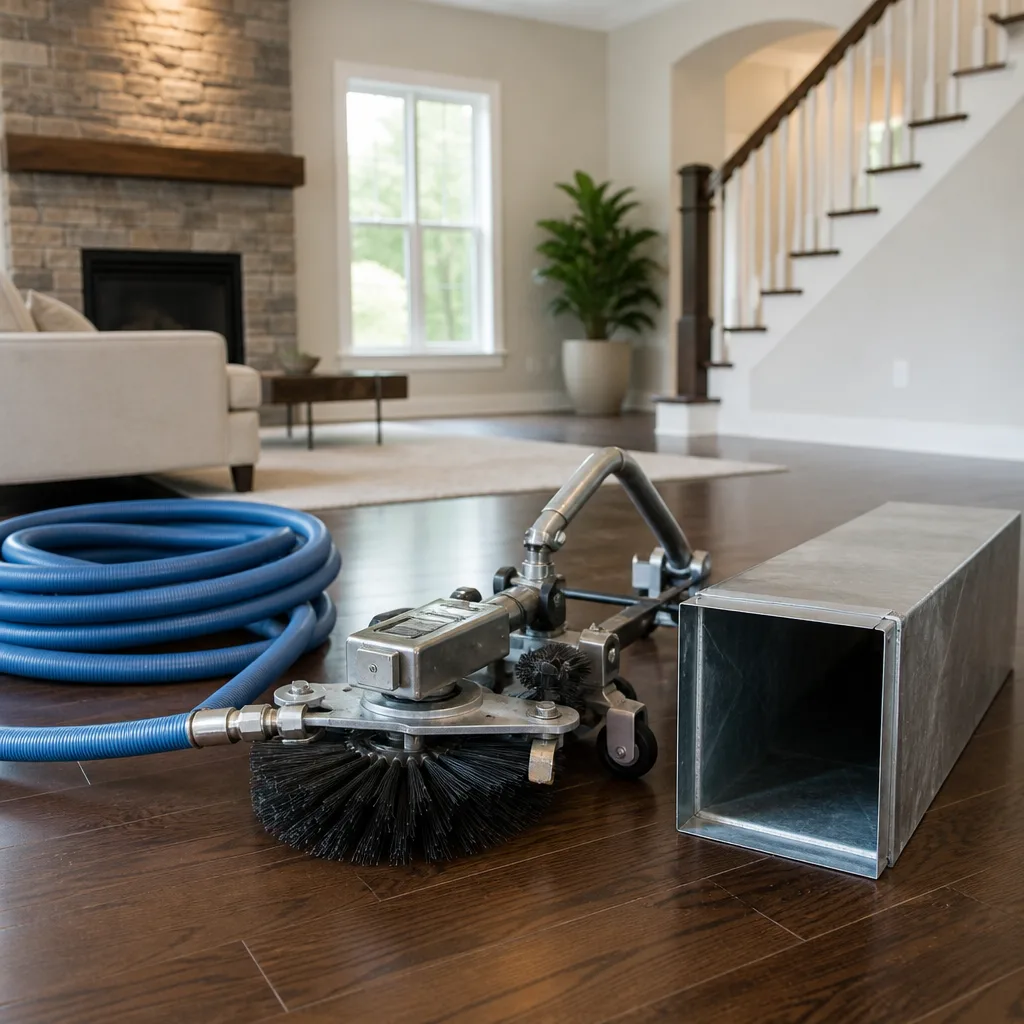 Whole-home duct cleaning
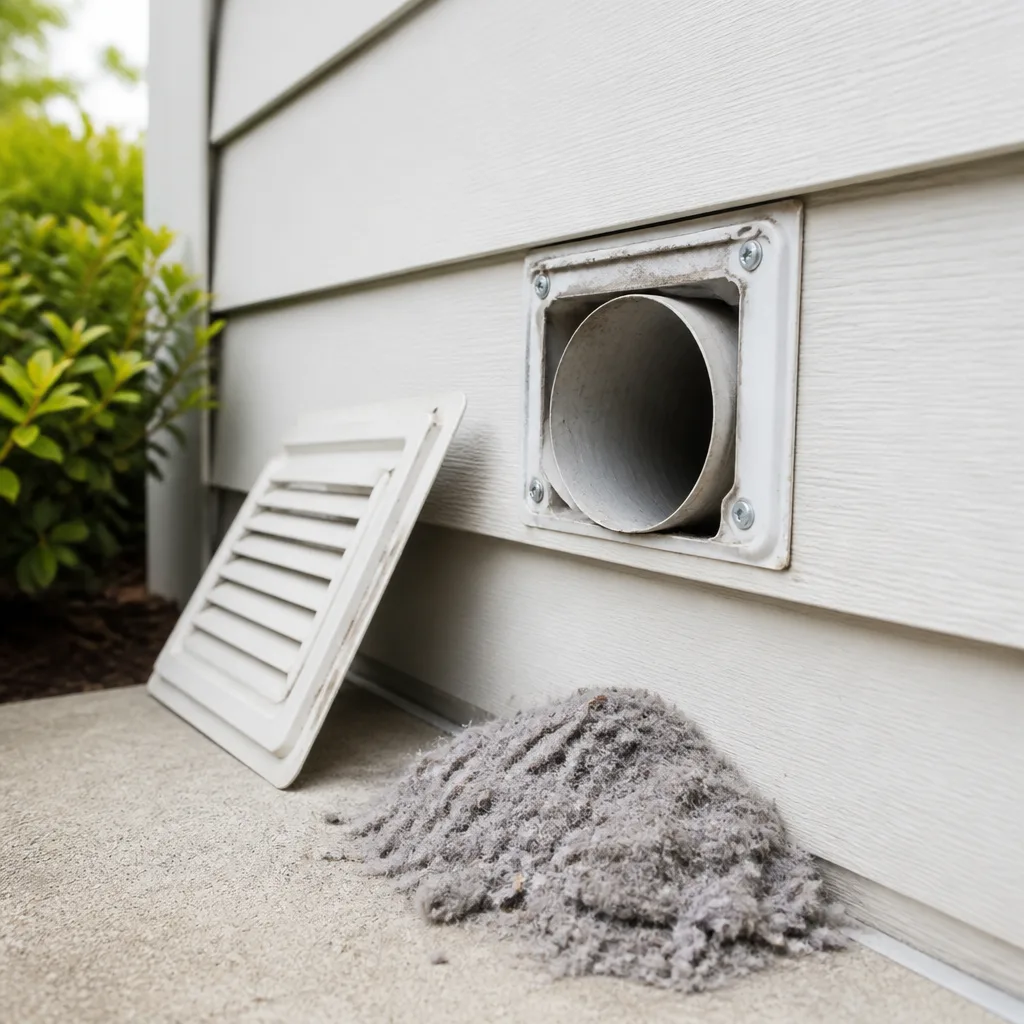 Dryer vent cleaning
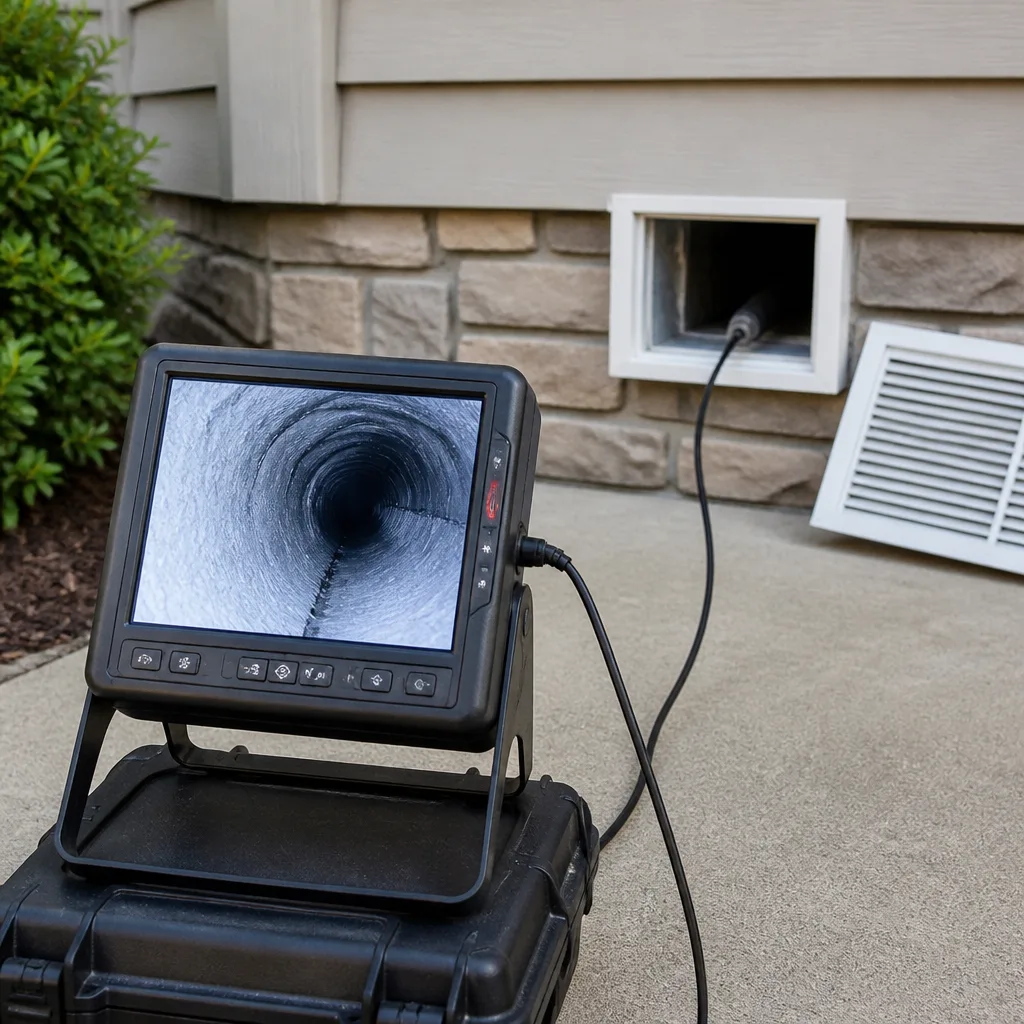 Camera inspection
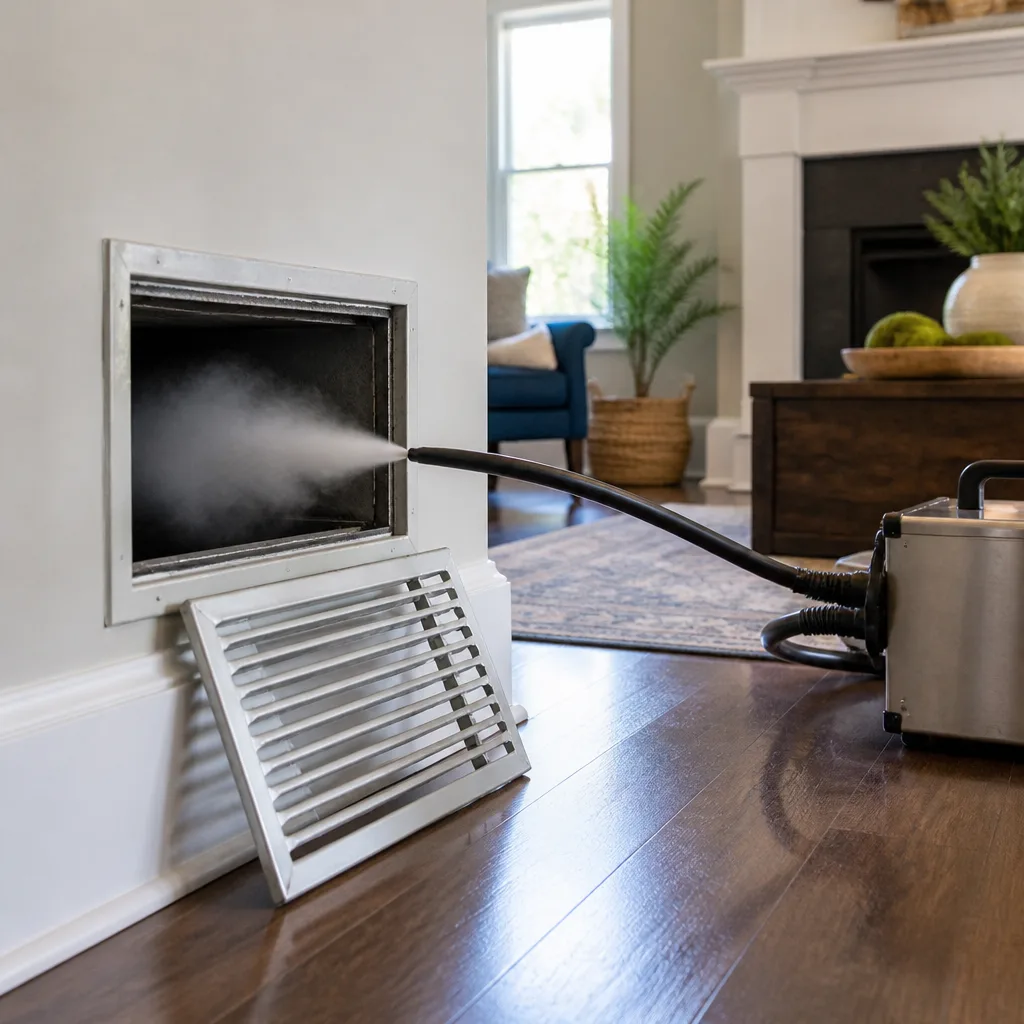 Sanitizing & deodorizing
Whole-system duct and dryer vent check with before-and-after photos - you see exactly what came out of your vents
That "$99 whole-house special" is a bait ad - the real number appears once they are in your hallway, or the "clean" is a shop-vac at the register. We photograph the inside of your ducts before and after instead.
Air Duct Cleaning Emergency Preparedness Guide for McAllen Homes
Most homeowners treat duct cleaning as a comfort upgrade, something to get around to when the dust gets bad. In McAllen, it’s closer to a form of recovery work. The emergencies here don’t announce themselves the way a broken water heater does. Water pushes into a return chase and sits there quietly. A storm repair kicks fine gypsum dust into every supply run. The power goes out for two days in August and the whole system turns into a warm, damp box. By the time you notice a smell at a register, the contamination event is often weeks old. This guide maps each of those McAllen-specific scenarios to concrete steps, so the next time something happens, you’re following a plan instead of guessing.
Quick Answer
If your home has taken on water, construction dust, or smoke, the right move is to stop the system and get an assessment before you run it again, because a running HVAC system spreads contamination through every duct run within minutes. Clean what’s wet or loaded with debris, dry and verify it’s dry, then repair the leaks that let the problem in. In McAllen, summer heat and hurricane-season moisture make that window short.
Styles & brands we work with
- Whole-home duct cleaning
- Dryer vent cleaning
- Camera inspection
- Sanitizing & deodorizing
Table of Contents
- Post-Flooding Protocol: What to Do in the First 48 Hours
- Construction and Renovation Dust: Seal Before You Demo
- Smoke and Wildfire Particulate: Why It Moves Differently
- Extreme Heat and HVAC Outages
- Documenting Duct Condition for Insurance Claims
- Pre-Storm Preparation Checklist
- How Professional Cleaning Actually Works
- Common Mistakes to Avoid
Post-Flooding Protocol: What to Do in the First 48 Hours
The single most important decision after water intrusion is whether to run the air conditioner. When a McAllen home takes on water, the instinct is to get the air moving and start drying things out. In a duct system, that instinct backfires. A blower moving through wet ductwork pushes moisture onto surfaces that were dry minutes earlier, spreads any biological growth that’s already starting, and turns a contained problem in one room into a system-wide one. The moisture doesn’t stay put; the fan makes sure of that.
Here’s the sequence that protects the system instead of spreading the damage:
- Shut the system down at the thermostat and the breaker. Don’t let it cycle back on automatically.
- Photograph everything before you move it. Register openings, visible water lines, any staining on flex duct, and the state of the return grille.
- Note the type of water. Clean rainwater from a roof breach behaves differently from ground water that came through a door or a slab. Note it for your insurer and for whoever assesses the ducts.
- Pull wet filters and set them aside. Don’t reinstall them. A wet filter is a growth medium.
- Get an assessment before power is restored. The system should not run again until someone has confirmed the duct interiors are dry and free of debris and the equipment itself wasn’t submerged.
Why the 48-hour framing matters in McAllen: summer humidity here sits high enough that wet duct liner and flex duct don’t dry on their own the way they might in a drier climate. Water that sits in a duct run under a slab or inside an insulated chase can stay damp for a long time while the rest of the house feels fine. That’s the gap most homeowners fall into. They dry the floors, replace the drywall, and turn the system back on, and the ducts are still holding moisture. If you’re unsure whether your system took on water, it’s worth having someone look before you restart it. Our air duct cleaning assessment starts with exactly that question.
Construction and Renovation Dust: Seal Before You Demo
Storm repair season in McAllen means drywall, insulation, and roofing work on hundreds of homes at once. Renovation dust is not the same as household dust. Gypsum, silica from concrete cutting, and fiberglass fibers are heavier and more abrasive, and they settle into duct interiors where a household vacuum will never reach them. The air handler pulls that dust in through every return during the entire project, and it doesn’t leave on its own.
The order of operations is what most homeowners get wrong. Sealing should happen before demo begins, not after the dust has already run through the system. Here’s the preparation sequence we recommend for any McAllen renovation that includes demo work:
- Cover every supply and return register with plastic and low-tack tape before the first hammer swings.
- Turn the system off during heavy dust phases. Cutting, sanding, and drywall removal are the phases that matter most.
- Change the filter more often than usual during and immediately after the project, not on the normal schedule.
- Seal open duct ends if any ductwork is disconnected or being rerouted, so debris from the work area can’t fall in.
- Schedule a full cleaning after final cleanup, not before. Cleaning while dust is still being generated is a waste of the work.
There’s a second issue that comes up after a big renovation: duct damage. Workers moving materials through tight attic spaces step on flex duct, disconnect joints, and crush runs. That’s why duct cleaning McAllen pairs cleaning with a repair assessment. A cleaned duct system with a crushed run and a disconnected joint will just refill with attic dust and outside air within a season. Cleaning it without fixing it doesn’t get you where you want to go.
Smoke and Wildfire Particulate: Why It Moves Differently
Smoke behaves in a duct system in a way that surprises people. Fine combustion particles are small enough to stay suspended in moving air for a long time, which means they don’t settle on duct floors the way ordinary dust does. They coat surfaces, including the interior walls of every run, the blower wheel, and the evaporator coil. A standard filter catches some of them and lets the rest through. And once smoke has moved through a system, the odor doesn’t leave when the smoke clears outside.
In McAllen, smoke infiltration comes from two directions. Agricultural burning and regional wildfire smoke drift in during dry stretches, and structure fires nearby can push smoke into neighboring homes through return air intakes and attic leaks. The particle load is different from dust, and the cleanup is different too. A blower alone won’t move smoke residue off duct walls.
What actually removes it:
- Mechanical contact cleaning on duct interior surfaces, not just air movement. Smoke residue adheres and has to be physically disturbed.
- High-volume extraction running at the same time so loosened particles leave the system instead of settling back down.
- Filtration on the cleaning equipment itself so the process doesn’t push smoke residue into the living room. This is where a system like Abatement Technologies filtration matters. The point of the equipment is to contain what the cleaning is loosening.
- Coil and blower cleaning in most smoke cases, because that’s where the residue concentrates.
If smoke odor has been lingering in your McAllen home after a nearby fire or a bad air quality stretch, cleaning the ducts is the right step, but the method matters more than the price. A blower without contact cleaning tends to loosen the top layer and push it around.
Extreme Heat and HVAC Outages
A long power outage during a McAllen summer is an underrated duct-system problem. When the air conditioner stops for a day or more in high heat and humidity, the coil sweats. Condensate drains sit idle. The inside of the air handler and any ductwork in a hot attic or garage becomes a warm, damp space, and that’s the environment where problems start. When the power comes back, the system runs with a fresh load of moisture inside it and no way to get rid of it fast.
Here’s what to do when the power comes back after a hot-weather outage in McAllen:
- Let the system sit off for a few minutes after power is restored so the compressor doesn’t start against high head pressure.
- Check the condensate line and pan for standing water before you run the system for extended periods.
- Smell the registers in the first hour of running. A musty smell is a signal to stop and get an assessment.
- Watch for water stains around the air handler and any access panels.
- Change the filter. A filter that sat through the outage in a humid system is not the filter you want running again.
Heat events also stress the equipment itself. Repeated short cycling during a heat wave pulls more air through the return than a compromised duct system can handle, which means more dust pulled in from attics and garages through leaky joints. That’s why duct repair matters in McAllen’s climate just as much as cleaning. The cracks and gaps that let hot attic air into the supply runs are also the ones pulling in dust all summer.
Documenting Duct Condition for Insurance Claims
Duct cleaning after a qualifying event is often a covered expense, but only if you can show what happened and when. The documentation problem is the same one that comes up with any claim: by the time the adjuster looks, the visible evidence may have been cleaned up or dried out. Duct system documentation needs to happen early, and it needs to be specific.
Here’s what we recommend capturing after any event that could relate to duct contamination:
- Date-stamped photos of register openings, water lines, staining, and visible debris.
- A written timeline of when the event happened, when the system was shut down, and when water was first noticed.
- The type and source of water (roof breach, ground water, plumbing) if water was involved.
- Photographs of any construction or demo work that generated dust in the home.
- A professional assessment report that describes the condition of the ducts in plain terms.
- Before-and-after photos from cleaning, once the work is done.
Before-and-after photos are worth more than a receipt. If the cleaning was done with professional equipment like Rotobrush contact cleaning and Nikro extraction, the documentation shows what was actually removed, not just that money was spent. That helps with the claim and it helps you verify the work was done right. For McAllen homeowners dealing with a claim, the assessment should happen before cleanup crews have finished, not after.
Pre-Storm Preparation Checklist
Most duct contamination during a storm comes from three pathways: water intrusion through roof or window breaches, wind-driven debris entering through a damaged roof or attic vent, and dust kicked up by storm repair work after the storm passes. You can reduce all three with preparation before the system needs to be shut down.
Here’s the checklist we recommend running through during any hurricane watch or major storm warning in McAllen:
- Photograph the current condition of your registers and access panels. You want a baseline so post-storm changes are obvious.
- Know where the air handler breaker is so you can shut the system down quickly if water gets inside.
- Check the return air path from the return grille to the air handler. Loose joints and gaps in a garage or attic are how water and debris get in.
- Clean the filter before the storm. A loaded filter increases static pressure and pulls more air through leaks.
- Seal easy entry points like opening around the air handler platform and any gaps around return chases.
- Cover vents in rooms likely to get water if you’re expecting to leave the house.
- Keep a copy of your insurance documentation where you can reach it.
These steps take a couple of hours and cost little. In McAllen, where hurricane season runs through the summer, running through them once a year pays for itself.
How Professional Cleaning Actually Works
Not all duct cleaning is the same work, and knowing what the process should look like helps you tell the difference. The commonsense benchmark: if a company shows up with a single truck-mounted blower and nothing else, the method is mostly air movement. That loosens debris and pushes it around. Real cleaning combines mechanical contact with high-volume extraction, and contains the debris removed.
Here’s what a full-system clean looks like when the equipment is right:
- Equipment setup and containment first, with negative pressure on the system and filtration on the extractor so loosened debris goes into the filter, not the air in your house.
- Contact cleaning of every run, register to trunk, using rotary tools like Rotobrush.
- High-volume extraction with an industrial vacuum like Nikro pulling the loosened material out of the system.
- Coil and blower cleaning where accessible, since that’s where most of the load concentrates.
- Repair assessment for disconnected joints, crushed runs, and leaks, because a cleaned system with a leak is a system that refills.
- Optional protective treatment with a product like Guardsman to slow build-up after cleaning.
- Before-and-after photos so you have documentation of what changed.
That equipment combination matters in McAllen, where humidity is high and debris loads after a storm or renovation can be heavy. Contact cleaning without extraction just relocates debris. Extraction without contact cleaning leaves residue on the surfaces that will still become growth points. You need both. If you’ve been reading up on McAllen HVAC or air quality and you want to see the local side of the service, McAllen is the place to start.
Common Mistakes to Avoid
- Turning the HVAC back on right after water intrusion. This is the biggest one. Running the system circulates moisture and debris through the whole house in minutes. Shut it down first; get an assessment second.
- Cleaning ducts before the renovation is finished. In McAllen, where storm repair work often runs for weeks, a duct clean done before final cleanup fills right back up. Wait until dust is no longer being generated.
- Assuming smoke odor means the ducts just need to be aired out. It doesn’t. Smoke residue adheres to duct walls and needs mechanical contact cleaning plus extraction to come off.
- Taking an assessment-free quote at face value. If somebody quotes a price without seeing the system, they’re guessing. The price should reflect the actual condition of your ducts.
- Skipping the repair step. Cleaning without fixing disconnected joints and crushed flex duct doesn’t solve the problem; it just resets the clock. In McAllen homes where attic ductwork gets stepped on during roof repair, this comes up more often than you’d think.
- Letting a wet filter sit through the cleanup. A wet filter grows things. Pull it, replace it, and don’t reinstall it after a flood or smoke event.
- Not documenting before cleanup. By the time an insurance adjuster sees the home, the evidence may be gone. Photos and a written timeline are the difference between a covered claim and a denied one.
See the difference
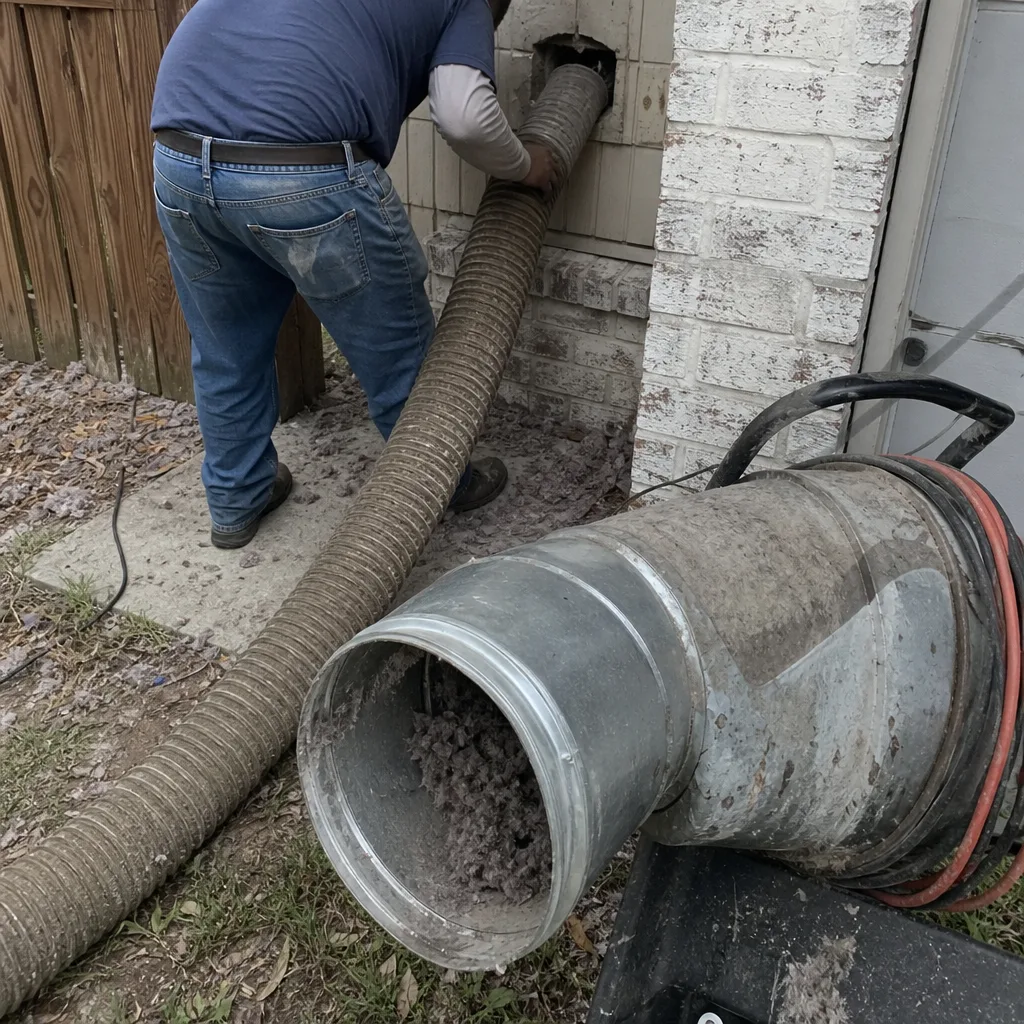 Before
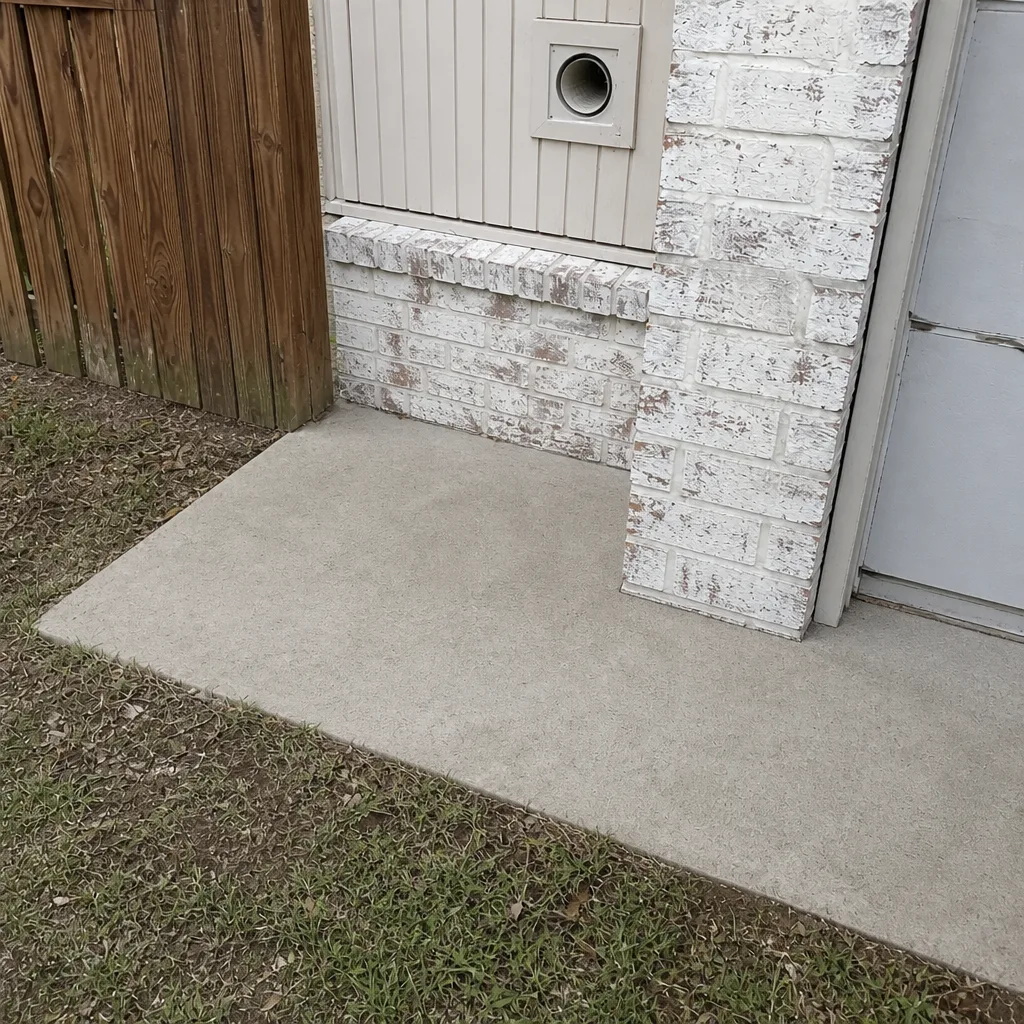 After
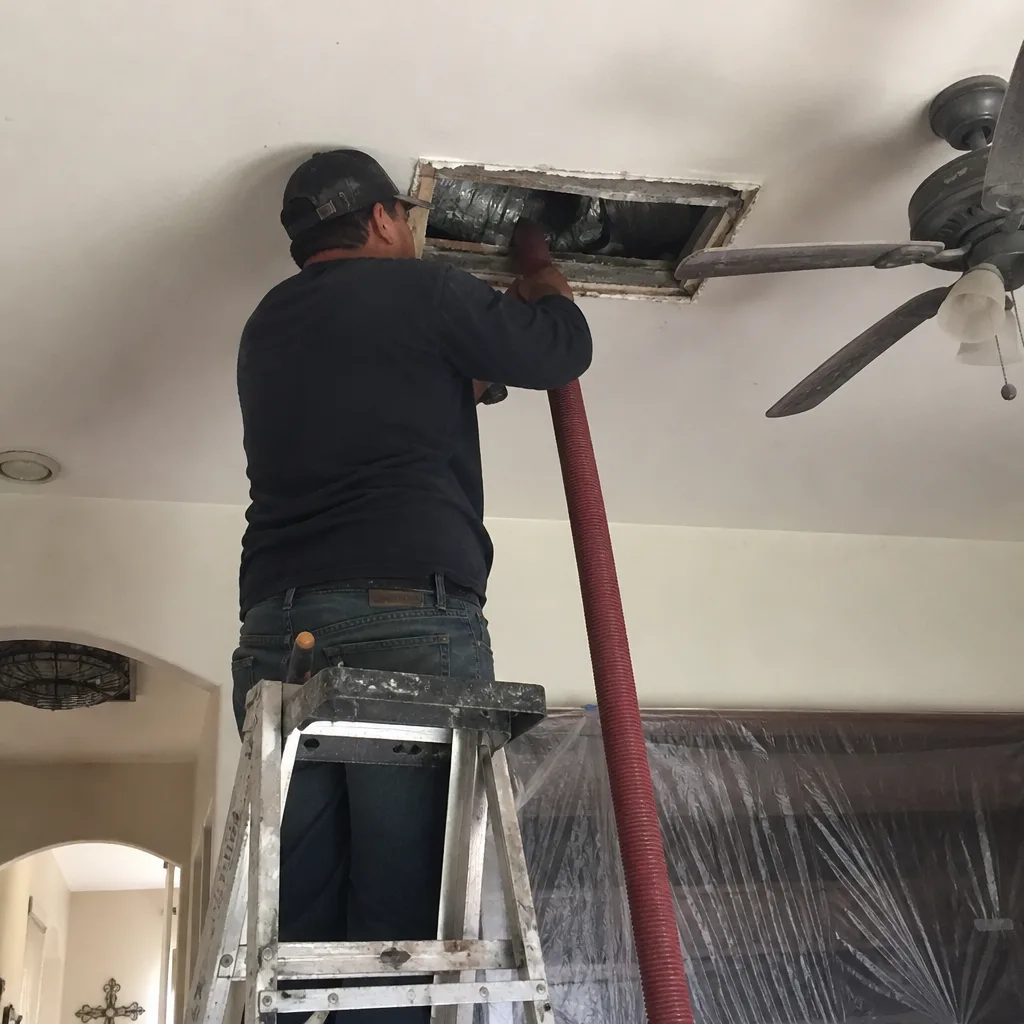 Before
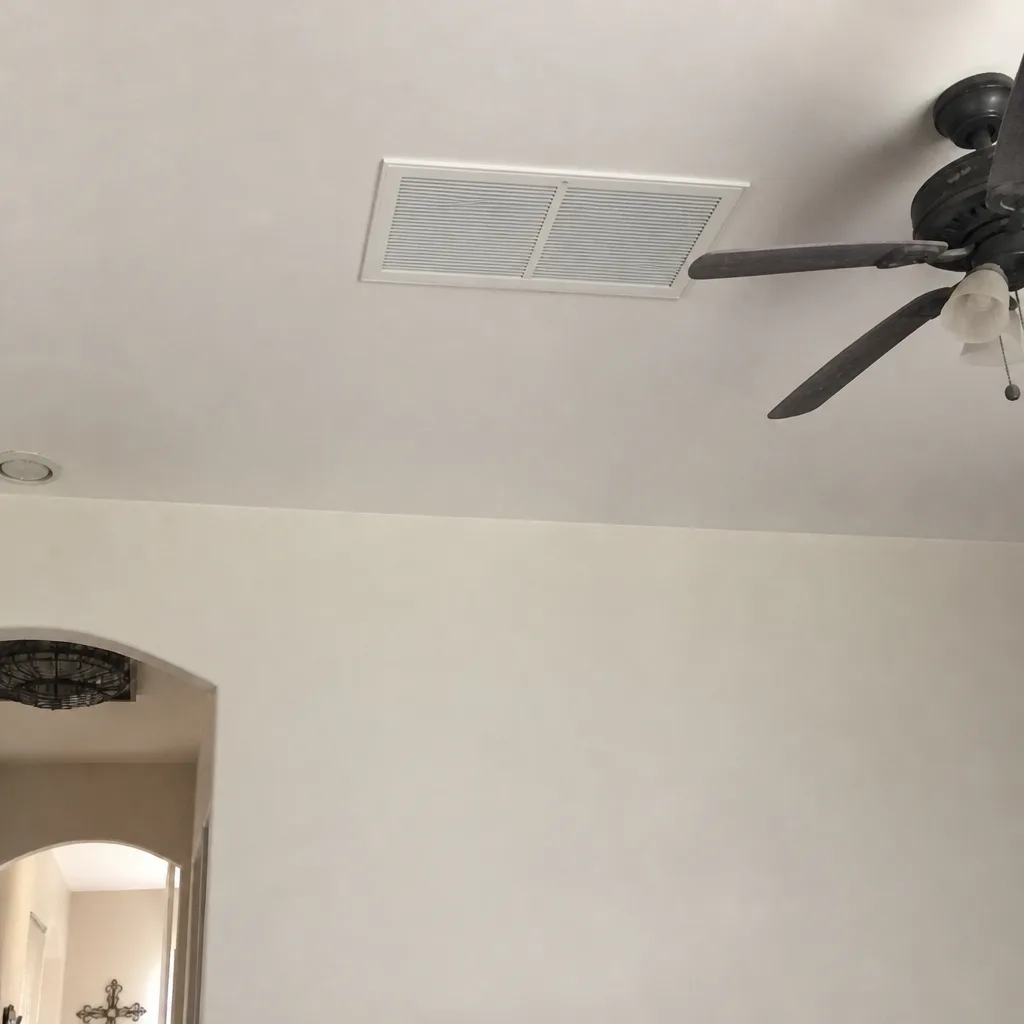 After
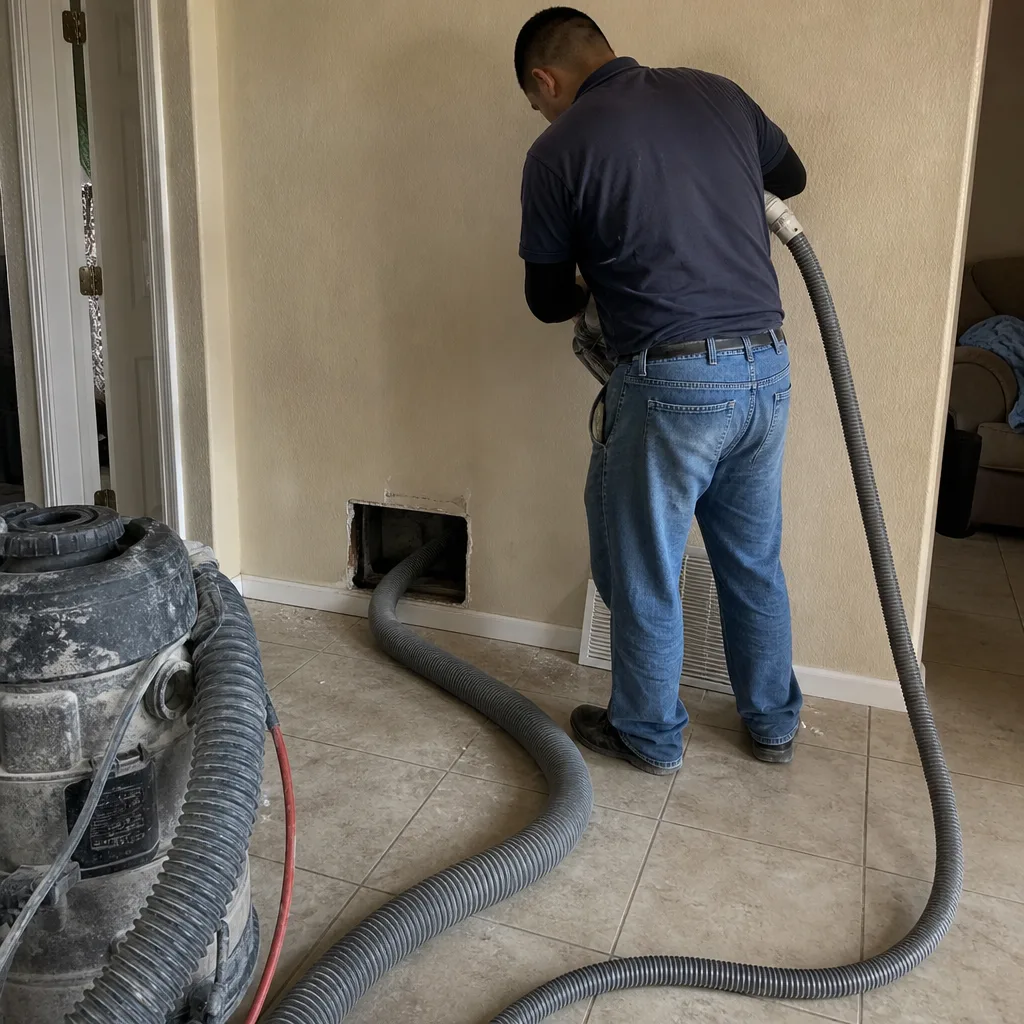 Before
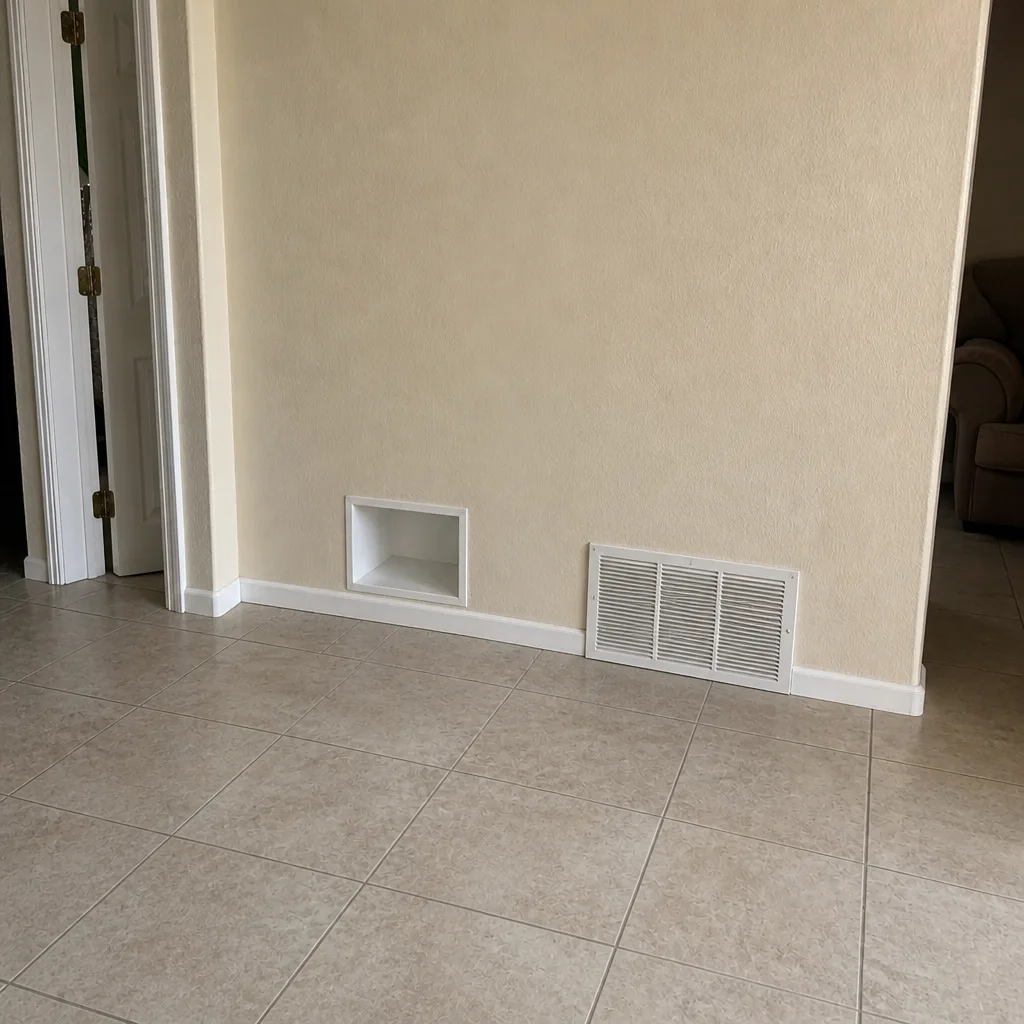 After
When to Call a Professional
Some situations in McAllen call for professional duct work without much room for judgment. Water intrusion into the duct system is at the top of the list. So is smoke infiltration after a nearby fire, or construction dust that entered the system during storm repair. Persistent musty odors at registers, visible growth at supply openings, or a system that hasn’t run right since a storm outage: those are all signs the ducts need an assessment, not just a filter change. Duct Cleaning McAllen offers free estimates in McAllen. Call (888) 971-5813. We answer 24/7. Fast dispatch from 7am to 7pm, Sunday through Friday. Estimates are set per job in writing, and the written estimate sets the final price.
Frequently Asked Questions
As soon as the water has been removed and before the HVAC system runs again. Running the system before the assessment is what turns a localized moisture problem into a whole-house one. The assessment itself can happen immediately; the cleaning should happen once the plenum and air handler are confirmed dry. Call (888) 971-5813 to schedule an assessment.
Sometimes, but not reliably. Visible staining, water lines, and debris at the register are clear signs, but duct interiors often look fine at the grille while holding moisture or dust further in. A professional assessment using equipment you don’t have at home is the reliable way. Call (888) 971-5813 for a free estimate.
Yes, through two pathways: fine debris that gets pulled in during storm-driven airflow through leaky returns, and the post-storm repair dust that runs through the system during weeks of reconstruction work. Both are common in McAllen. The right step is to seal registers before repair work and clean the system after.
There’s no universal number, but in McAllen the cadence depends more on what the home has been through than on years. A home that’s had water intrusion, a fire nearby, or a major renovation needs an assessment after each event. A home with no qualifying event and normal operation can go much longer. Call (888) 971-5813 if you want a specific recommendation for your home.
Because the work is different. Cheap quotes are usually a blower and little else, without contact cleaning, extraction equipment, or containment filtration. What they remove gets pushed back into the house. A real full-system clean uses contact tools and an industrial extractor, which costs more and does a different job. Call (888) 971-5813 for a free estimate based on what your system actually needs.
Yes, and they’re worth covering at the same time. A clogged dryer vent cleaning service is a fire-safety matter, not just an efficiency one, and storm-related debris and dust make the risk worse. If you’re having the ducts assessed after an event, having the dryer vent checked at the same time is worth the phone call.
Before-and-after photos of your own duct system, taken by the technician during the work. That’s the simplest verification you can get, and it’s worth asking for it in advance. Call (888) 971-5813 to ask about documentation with your estimate.
The Bottom Line
Emergency duct issues in McAllen come in four main forms: water intrusion, construction and renovation dust, smoke infiltration, and heat-related moisture after an outage. Each has its own response protocol, and the common thread is that the system should be shut down before you know what’s inside it. Clean what’s affected with real contact cleaning plus extraction. Repair the leaks that let the problem in. Document everything with before-and-after photos. Prepare before the storm rather than reacting after it. Most of the expensive outcomes in this guide come from running a contaminated system because the house felt dry, or letting a cheap quote stand in for work that wasn’t done. The duct cleaning McAllen resource covers the full service line if you want to look at options beyond an emergency response.
If your McAllen home has been through any of the events in this guide – a flood, smoke, a renovation, or a long outage – call Duct Cleaning McAllen at (888) 971-5813 for a free estimate. We answer 24/7, with fast dispatch from 7am to 7pm Sunday through Friday. You’ll get a written estimate per job before any work begins.
Written by the team at Duct Cleaning McAllen.