
Last updated November 15, 2026
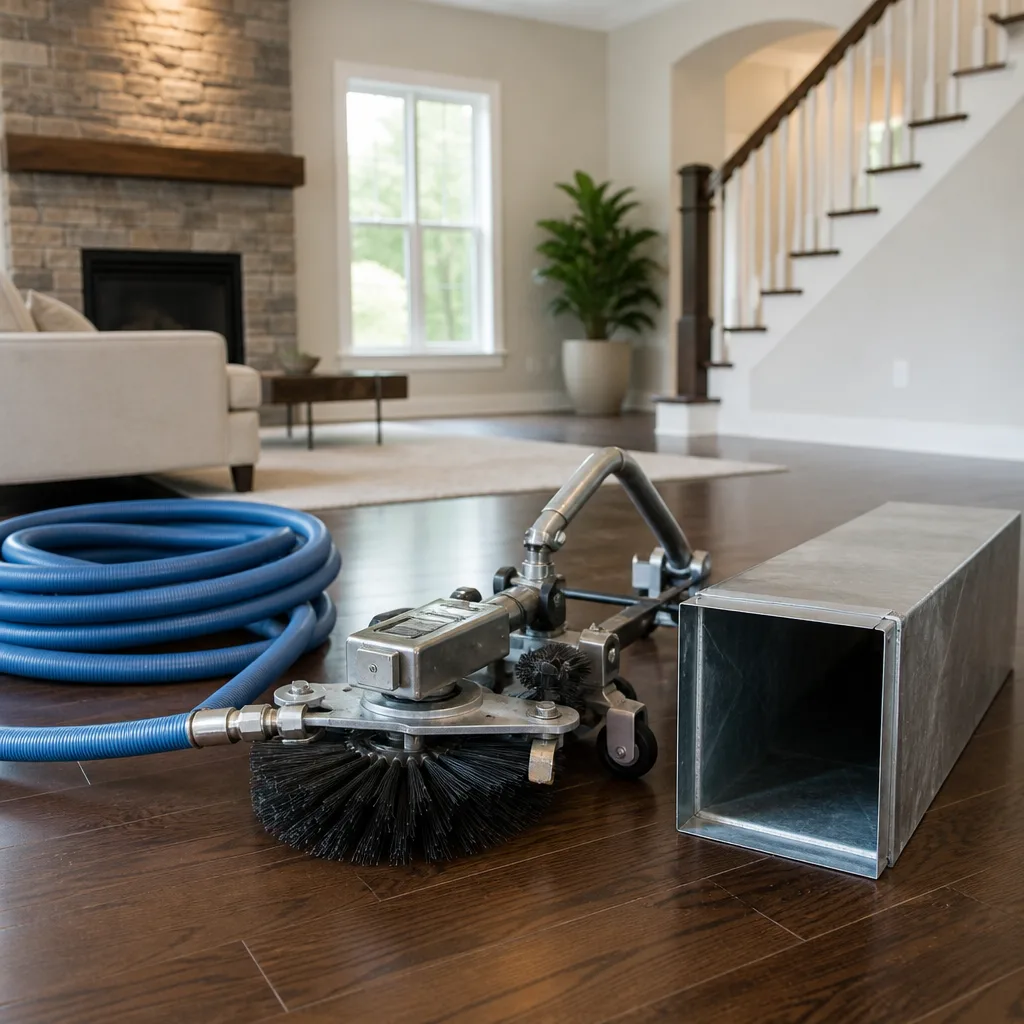 Whole-home duct cleaning
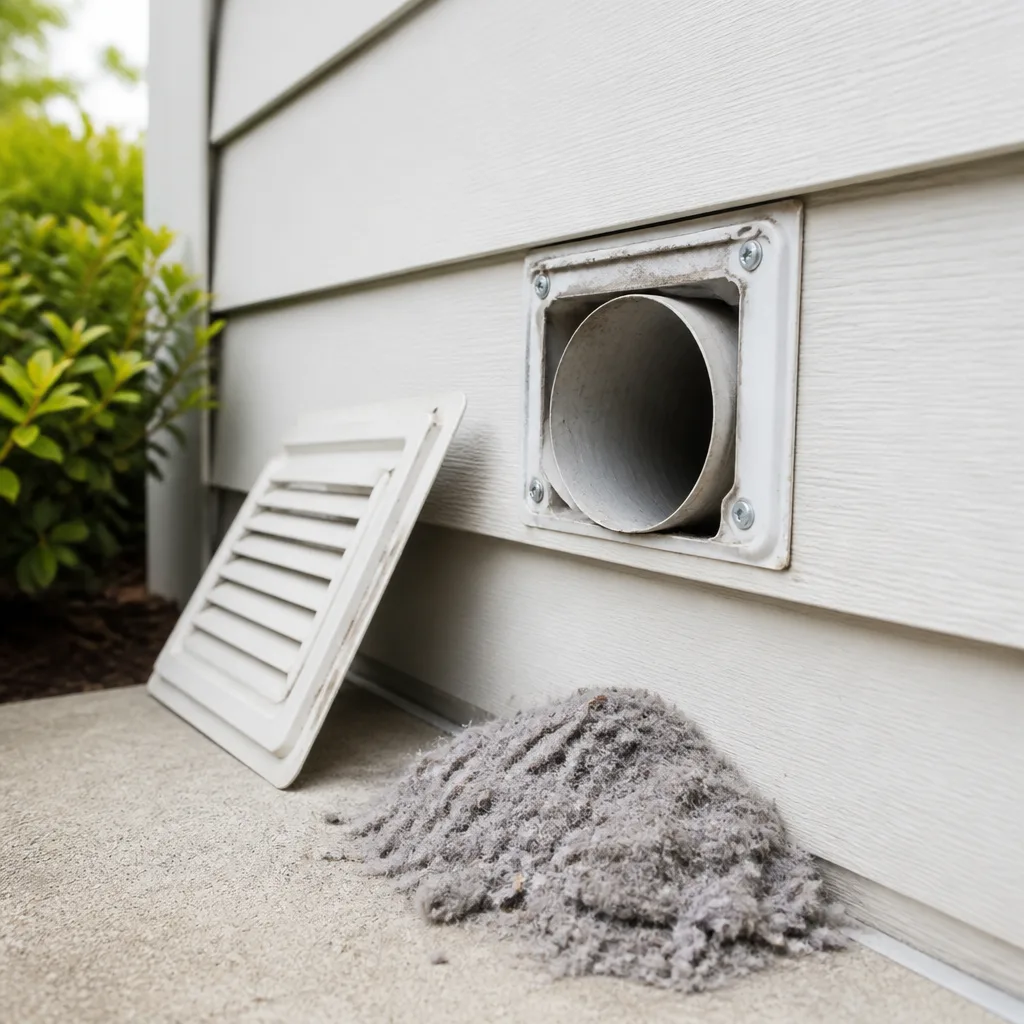 Dryer vent cleaning
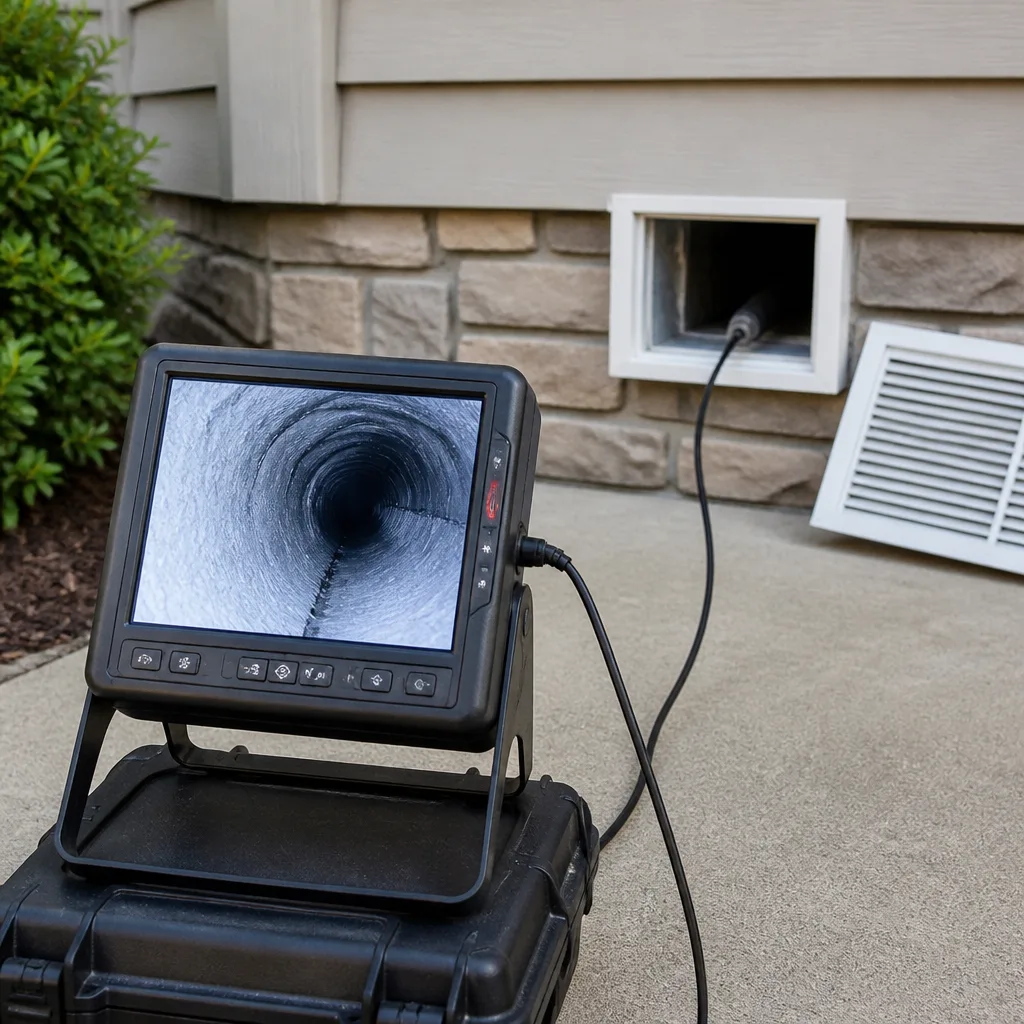 Camera inspection
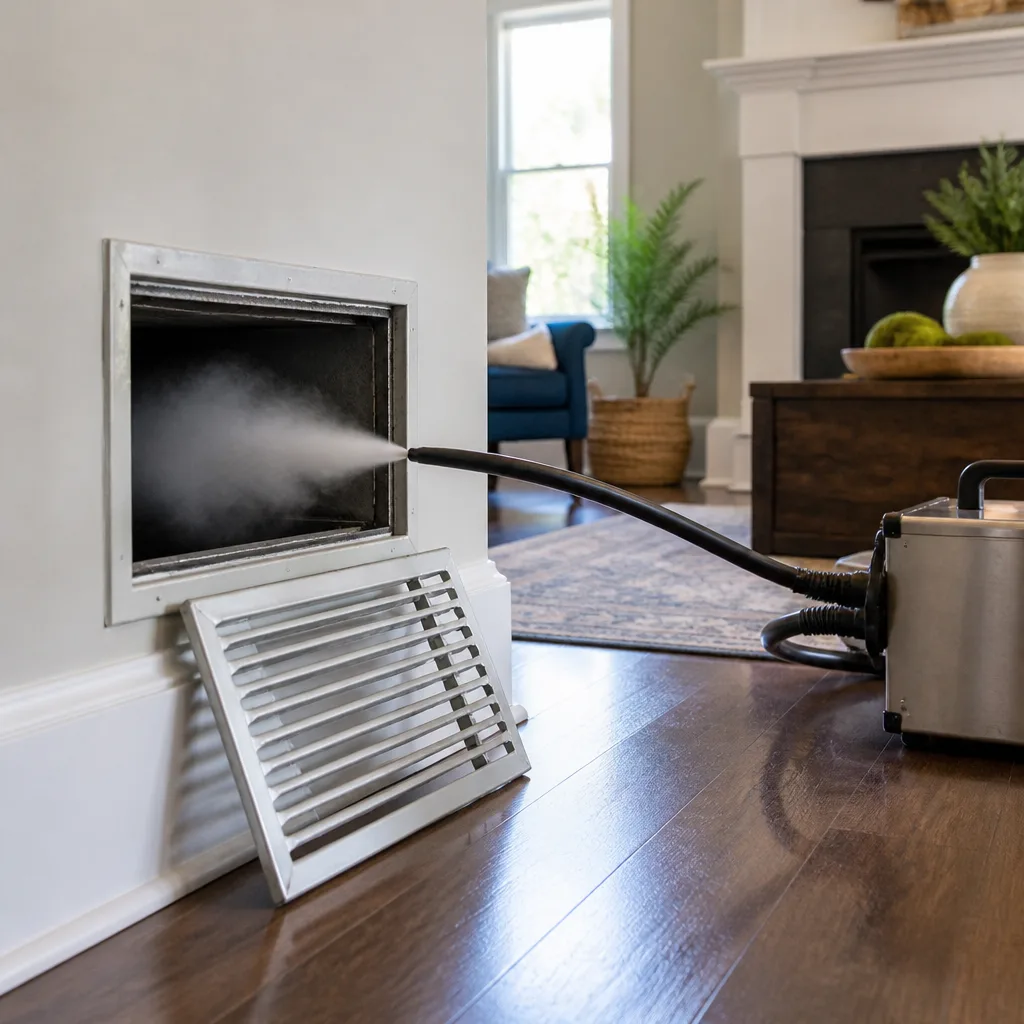 Sanitizing & deodorizing
Whole-system duct and dryer vent check with before-and-after photos - you see exactly what came out of your vents
That "$99 whole-house special" is a bait ad - the real number appears once they are in your hallway, or the "clean" is a shop-vac at the register. We photograph the inside of your ducts before and after instead.
How to Hire an Air Duct Cleaning Contractor in McAllen: A Step-by-Step Guide
Here’s the uncomfortable truth about hiring duct cleaning in McAllen: Texas does not require a license to offer air duct cleaning services. The company quoting you $89 and the company arriving with a truck-mounted negative-pressure system are operating under the exact same legal authority. There’s no state board checking credentials, no license number to verify, no exam anyone has to pass. The difference between a competent contractor and a vacuum-and-blow operator is entirely in what you know to ask. This guide gives you the technical screening questions, red flags, and documentation requirements that separate equipment-serious contractors from the rest.
Quick Answer
Hiring an air duct cleaning contractor in McAllen means verifying their equipment specifications (minimum 3,500 CFM vacuum, HEPA filtration, contact brush system), checking for NADCA membership, getting a written scope of work that lists every component accessed, and refusing any whole-house quote under $200 because that price can’t cover a genuine full-system cleaning. Texas has no licensing requirement for this trade, so your screening process is the only credential check that happens.
Styles & brands we work with
- Whole-home duct cleaning
- Dryer vent cleaning
- Camera inspection
- Sanitizing & deodorizing
Table of Contents
- Why Texas Doesn’t License Duct Cleaning (And What That Means for You)
- The Equipment Questions That Disqualify Bad Bidders
- Why NADCA Membership Is the Only Credential That Matters Here
- Pricing Red Flags: Why a $199 Quote Is a Scope Problem
- How to Request a Scope of Work in Writing
- What Post-Job Documentation to Demand
- Preparing for the Top Penetrations and All Penetrations in the HVAC System
- The McAllen-Specific Questions Nobody Asks
Why Texas Doesn’t License Duct Cleaning (And What That Means for You)
Air duct cleaning is not a licensed trade in Texas. The Texas Department of Licensing and Regulation does not issue duct cleaning licenses, and no state agency inspects or certifies the work. This isn’t a loophole; it’s just how the trade is classified. Anyone with a shop vac and a business card can legally offer the service in McAllen.
What that means practically: when a contractor hands you a “license number,” it usually isn’t a duct cleaning license. It might be a general contractor’s license, an air conditioning contractor’s license (which covers HVAC installation and repair, not duct cleaning specifically), or a completely made-up number. If a company leads with licensing as their credibility signal, ask exactly what the license covers and who issues it. A legitimate HVAC contractor license from TDLR is worth noting because it means they can legally repair what they clean. But it does not guarantee the crew doing the duct work knows what they’re doing.
So what replaces licensing as a quality signal? Three things:
- Equipment specifications. A contractor who can quote CFM ratings and describe their vacuum collection method has invested in the trade, not just the marketing.
- Industry association membership. NADCA (the National Air Duct Cleaners Association) membership requires adherence to a published standard and ongoing training.
- Written scope and documentation. A company willing to put the work in writing and prove it afterward has something to lose if they cut corners.
In our experience working in the McAllen market, the contractors who fall short on all three are also the ones quoting prices that couldn’t possibly cover a full-system clean. Keep reading for the specific questions that surface this in the first phone call.
The Equipment Questions That Disqualify Bad Bidders
You don’t need to be an HVAC technician to ask the right equipment questions, but you do need to know what the right answers sound like. Every quote you collect should include an equipment description. If it doesn’t, that’s already an answer.
The five questions to ask about equipment
- What’s the CFM rating on your vacuum? CFM (cubic feet per minute) measures airflow. A professional-grade negative-pressure vacuum used for duct cleaning typically runs 3,500 CFM or higher. A shop vac runs in the low hundreds. If the contractor can’t tell you the CFM, they haven’t looked at their own equipment spec sheet.
- What’s your collection method? The answer should describe a vacuum tied into the duct system with the source sealed off to create negative pressure, allowing debris to travel out of the system and into a collection chamber rather than into the room. “We use a big vacuum” doesn’t cut it.
- What brush or agitation system do you use? Vacuum alone can’t lift adhered debris. Professional systems use rotating brushes or contact-cleaning heads that mechanically agitate the duct interior while the vacuum pulls the loosened material out. A contractor who says brushes aren’t necessary is talking about vacuuming dust off the floor without sweeping.
- Do you run HEPA or similar filtration during the process? Cleaning ducts stirs up material. Without filtration or containment, some of that material ends up in your living space. Abatement Technologies air filtration systems are standard in remediation work and rare in routine duct cleaning, which is exactly why asking about filtration separates serious operators from the rest.
- What happens if you find damaged ductwork? The answer “we clean it and note it on your receipt” is a scope limitation, not a qualification. A contractor who can repair damaged or leaking duct segments solves the problem rather than sweeping it under the same rug that caused it.
Any answer to those five questions that includes the phrase “we don’t really need that” or a blank look is a disqualifier. A contractor who’s invested in professional-grade equipment will be able to describe it without reaching for a brochure.
Why the combination matters more than any single piece
The professional standard involves both mechanical agitation and high-powered extraction working together. Rotobrush contact-cleaning systems pair with industrial HVAC vacuums like Nikro for that reason: the brush loosens, the vacuum removes. One without the other is a partial job wearing a full-service label. Our own approach combines these platforms precisely because no single piece of equipment handles the full range of conditions we see in McAllen homes.
Why NADCA Membership Is the Only Credential That Matters Here
In a state with no licensing requirement, the National Air Duct Cleaners Association membership becomes a meaningful filter. It isn’t a government stamp, but it carries weight because it requires adherence to a published standard and continuing education in the trade.
NADCA publishes the ACR Standard (Assessment, Cleaning, and Restoration of HVAC Systems), which is the document that defines what “duct cleaning” is actually supposed to mean. The ACR Standard covers specific things on a real job site:
- Before-and-after visual documentation of system cleanliness
- Negative pressure maintenance throughout the cleaning process
- Cleaning of all accessible HVAC system components, not just the visible register openings
- Protection of the occupied space from re-contamination during service
- Post-cleaning verification that the standard has been met
When a contractor is a NADCA member, they’ve agreed to work within that framework. When they’re not, the framework is entirely voluntary. We mention this because it’s the closest thing to a verifiable credential in a trade that doesn’t require one. Ask the question. A member will tell you. A non-member might not know what you’re talking about, which is itself information.
NADCA membership doesn’t guarantee a great job. A member can still send a green crew on a busy day. But it raises the floor in a way that nothing else in Texas currently does. It’s one check among several. Pair it with the equipment questions and the written scope requirement before you commit.
Pricing Red Flags: Why a $199 Quote Is a Scope Problem
A whole-house air duct cleaning quote under $200 in the McAllen market is not a deal. It’s a scope problem wearing a price tag. A legitimate full-system cleaning involves two technicians, industrial equipment, several hours on site, and a filtration system running throughout the process. That has real fixed costs.
What can $199 actually buy? One of these things:
- A single-day vacuum of the visible registers only, with the interior ductwork untouched
- A crew that shows up without filtration or containment, spreading debris through the living space
- A “cleaning” that’s really a camera inspection with a vacuum pass, followed by an upsell once they’re inside
- A bait-and-switch price where the $199 converts to $1,200 once the technician is on site with a pitch
None of those match what a homeowner is actually trying to buy, which is clean air and a system that holds its efficiency instead of degrading it. We talk with McAllen homeowners regularly who’ve been quoted $89 or $99 for a “whole house cleaning,” then been told within ten minutes of arrival that the actual work is going to cost five times the quote. That’s not a surprise discovered on site. That’s the business model.
What a legitimate quote looks like
Legitimate quotes describe the work before the price and specify what components are accessed:
- Supply trunk lines and individual runs
- Return air drops and trunk
- Air handler and evaporator coil (if accessible)
- Registers and grilles
- Access doors cut in if none exist (some contractors include this, some charge separately; either is fine, but it should be in writing)
Line items matter. If a quote is a single dollar figure with no component breakdown, you can’t tell what work is actually going to be done. Ask for the component list. Ask which parts get brush agitation and which get vacuum-only. Ask whether filtration runs during the job. If the answers are vague, the job likely will be too. For a closer look at what a real air duct cleaning scope involves, our service page breaks down the process from start to finish.
How to Request a Scope of Work in Writing
Verbal promises at the estimate stage don’t obligate anyone. What you want is a written scope of work that specifies exactly which system components will be accessed and cleaned. Request it before signing.
A complete scope of work should contain:
- Component inventory. Each part of the system to be cleaned, named individually (main supply trunk, return trunk, individual branch runs, registers, air handler). Not “the whole system.”
- Access method. How the contractor will access the duct interior, whether access doors will be cut, and who’s responsible for closing them afterward.
- Equipment description. Vacuum CFM rating, agitation system type, filtration system type. Written, not verbal.
- Chemical and sealant use. Whether any chemicals will be applied, what kind, and why. If any treatment is included (Guardsman-grade protective treatments are one example), it should be listed with the product name.
- Protection of the living space. Floor coverings, entry and exit routes, containment or filtration during the process.
- Post-cleaning verification. What documentation the contractor will provide when they’re done.
- Repair scope (if applicable). Whether any duct repair is included and whether it’s a line item on the quote.
If the contractor can’t provide a written scope, you can’t hold them to anything. That’s a deal-breaker. Not because they’re necessarily dishonest, but because there’s no way for either party to agree on what was promised. In a trade with no licensing board to escalate to afterward, that written scope is your only protection.
What Post-Job Documentation to Demand
A credible contractor provides documentation without being asked. It should arrive before they leave, not weeks later after a follow-up email or two.
Documentation you should receive
- Before-and-after photos of the system interior. Specifically the trunk lines, branch runs, air handler, and registers. Photos of the shopping bag they pulled out don’t count. You want images of the ducts themselves before any work starts and after the final vacuum pass.
- A summary of components cleaned. Matching the scope of work you signed line by line.
- Any identified issues. Damaged flex duct runs, disconnected joints, leaking seams, or contamination that requires further work. If they found something they couldn’t fix on the visit, it should be written up.
- Filter status. Whether the system filter was replaced or should be replaced, and current filter condition.
- Any treatments applied. Product name, location applied, and reason.
If a contractor won’t provide before-and-after photos of their own job, there’s an easy way to read that: they’re not confident in what the photos would show. Photos are the single easiest verification method available to you, and any company confident in their work will volunteer them. We build them into every job we handle for precisely this reason. It’s also a genuine tool for spotting duct damage in the same visit that the ducts are being cleaned, which is the only time the interior is fully visible. That insight feeds directly into air duct repair when a run needs attention before it undermines the air quality you just paid to improve.
The McAllen-Specific Questions Nobody Asks
Climate shapes what your ducts deal with. McAllen’s subtropical weather and dense residential construction mean ducts here work under conditions that don’t apply to a lot of what you’ll read in national hire-a-contractor guides.
Specific things to ask any contractor you interview:
- “What do you usually find in this climate?” The combination of high humidity and heavy AC use through most of the year means moisture handling and evaporator coil condition are common issues in McAllen. A contractor who’s worked the local market will have specific answers about mold-adjacent conditions (dust, biological growth on coil surfaces) and how they handle them. A contractor from out of town with a franchise operation won’t.
- “How do you handle homes where the duct system has been added to over the years?” Older McAllen neighborhoods include lots of additions, sunroom conversions, and re-routed ductwork that wasn’t designed as an integrated system. Cleaning a patched-together system requires a different assessment than a new build.
- “Do you work with Honeywell or Aprilaire systems?” Whole-home air quality equipment includes inline filtration, UV purification, humidifiers, and dehumidifiers, all of which affect how a duct cleaning is scoped. A contractor who’s familiar with the equipment already installed in your home can coordinate cleaning around it instead of treating it as an obstacle. If your home has one of these systems, ask directly.
- “What’s your process for handling the dryer vent as part of the visit?” dryer vent cleaning is a fire-risk service, not a cosmetic one, and it’s important to know whether a contractor scopes it separately or as part of the same visit. Lint accumulation in dryer vents is a well-documented fire hazard, and cleaning the duct should not involve leaving the dryer exhaust line untouched if it’s part of the quote. The U.S. Fire Administration and other safety agencies have flagged dryer vent lint for years; a contractor who frames this as airflow improvement rather than fire safety isn’t taking it seriously enough.
These questions separate a McAllen contractor from a company that just added the city to a service map. Written questions with written answers are how you keep that honest.
Common Mistakes to Avoid
- Booking based on a coupon price. An $89 or $99 coupon for whole-house cleaning is a lead-generation tool, not a quote. The actual scope won’t match the price, and the technician will arrive with an upsell script. Ask for the written scope before you book, not after the crew is at the door.
- Assuming Texas licensing exists. Multiple homeowners we work with have chosen a contractor because the technician “showed a license.” Ask what state agency issued the license and what it covers. If the answer isn’t specific, the credential may not apply to duct cleaning at all.
- Accepting a quote that doesn’t list components. “Whole house cleaning” is not a scope of work. It’s a sentence. What you need is a line item for each component (supply trunk, return trunk, branch runs, air handler, registers), so you can hold the contractor to it afterward.
- Skipping the filtration question. A duct cleaning without containment or HEPA filtration re-distributes debris through the living space before it’s captured. For households where anyone has allergies or asthma, this matters more than the cleaning itself. Ask whether filtration runs during the whole job.
- Believing “we’ll clean it and note any damage.” Damaged ducts are the reason a home doesn’t reach its air quality goal even after a clean. If the contractor can’t repair them, you’re paying for the clean and paying again later for the repair.
- Not asking about post-job documentation. Before-and-after photos of the ducts themselves, not the trash bag. If documentation isn’t offered upfront, ask whether it will be included. The answer tells you a lot.
- Skipping the dryer vent. In McAllen homes, the dryer vent often shares space with HVAC ductwork, and lint buildup in the vent is a fire risk, not just a drying-time complaint. If the contractor is already in the house, whether they can scope the vent cleaning as part of the visit is worth asking.
See the difference
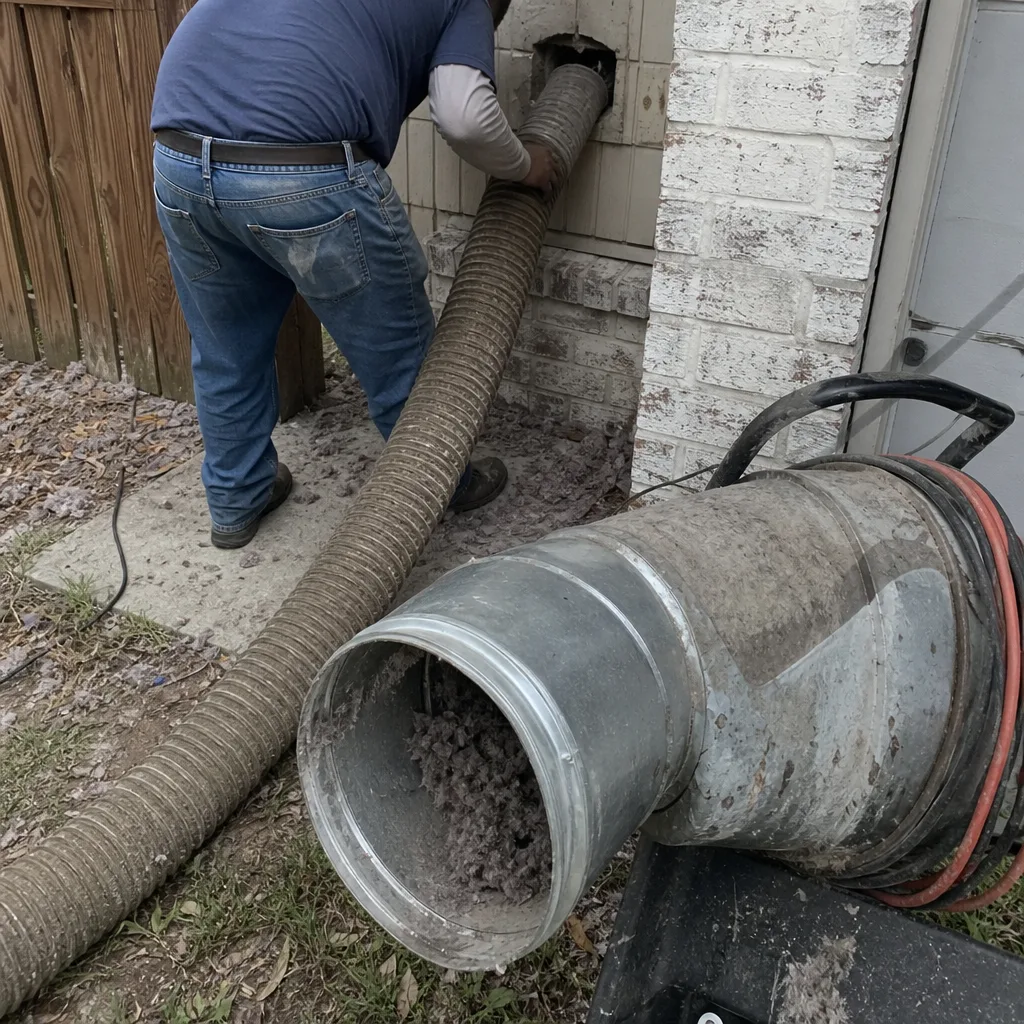 Before
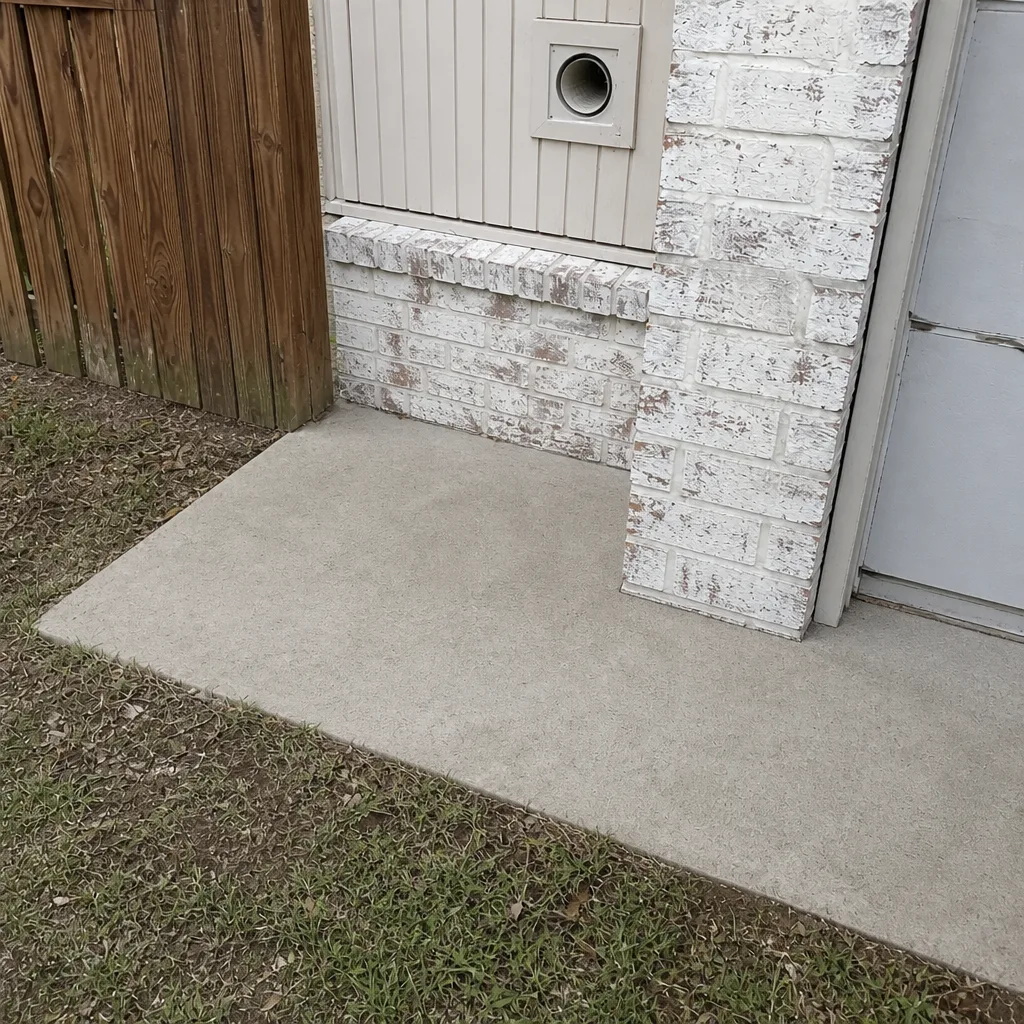 After
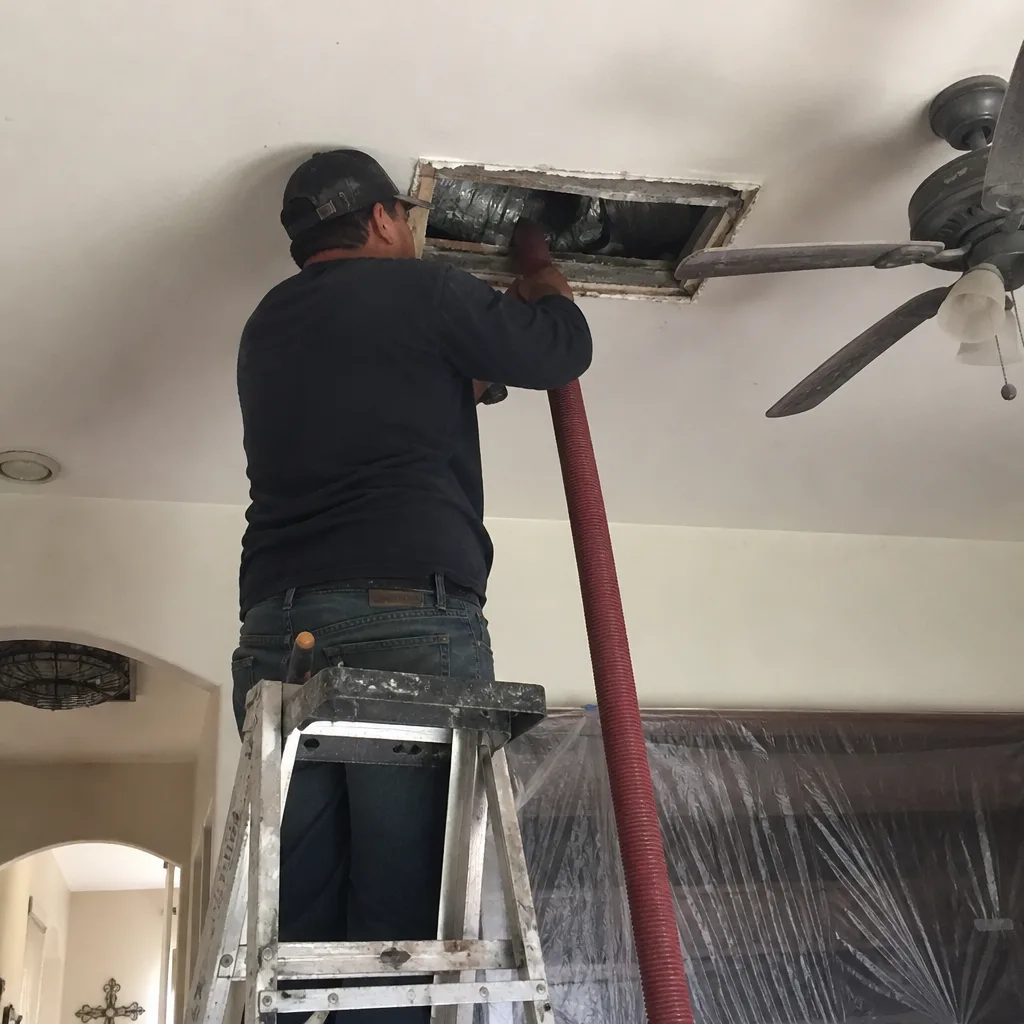 Before
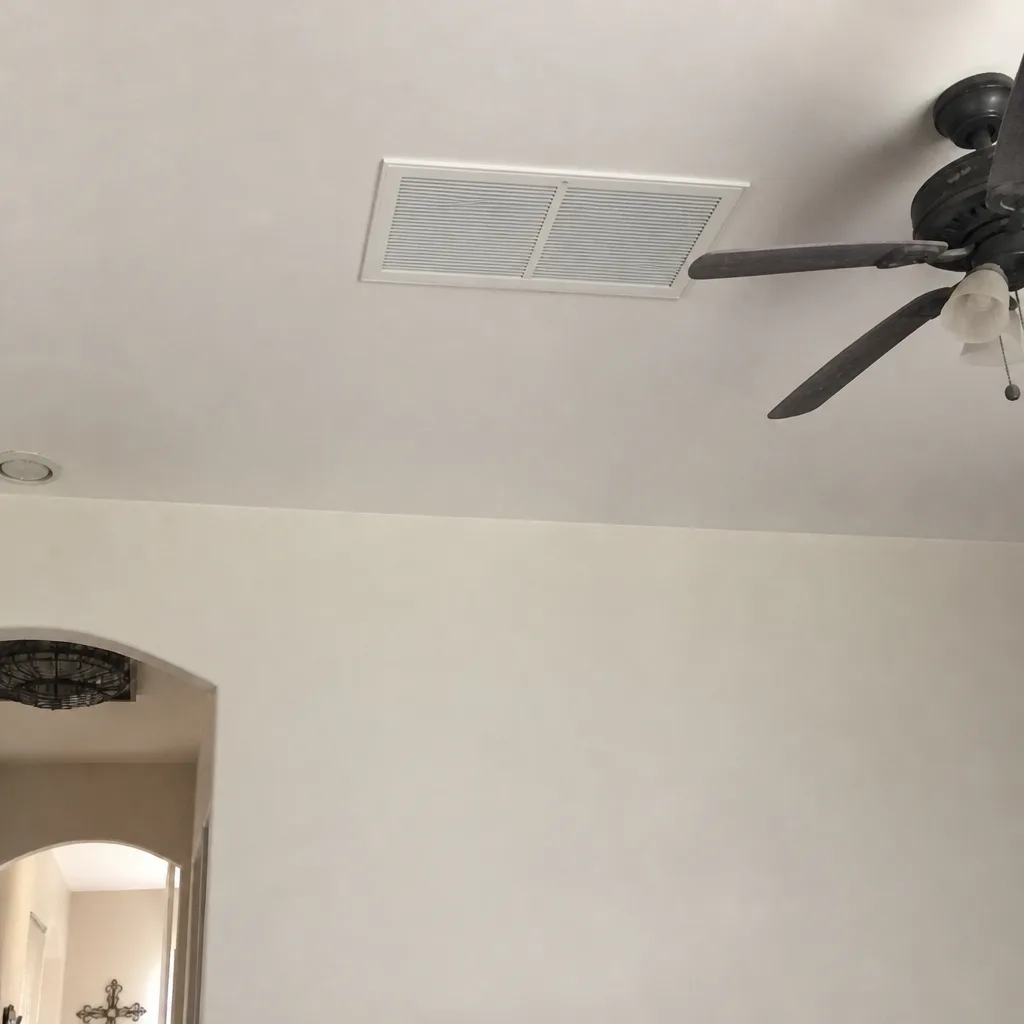 After
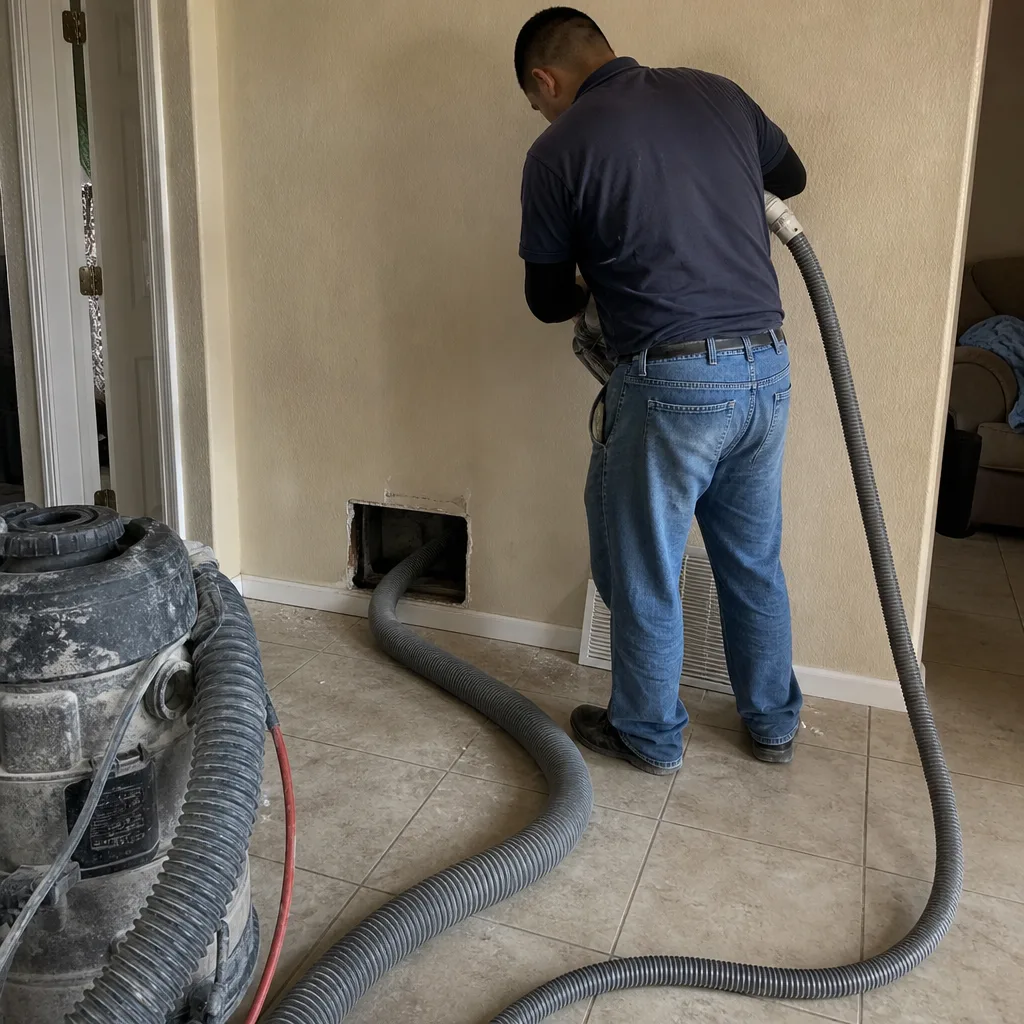 Before
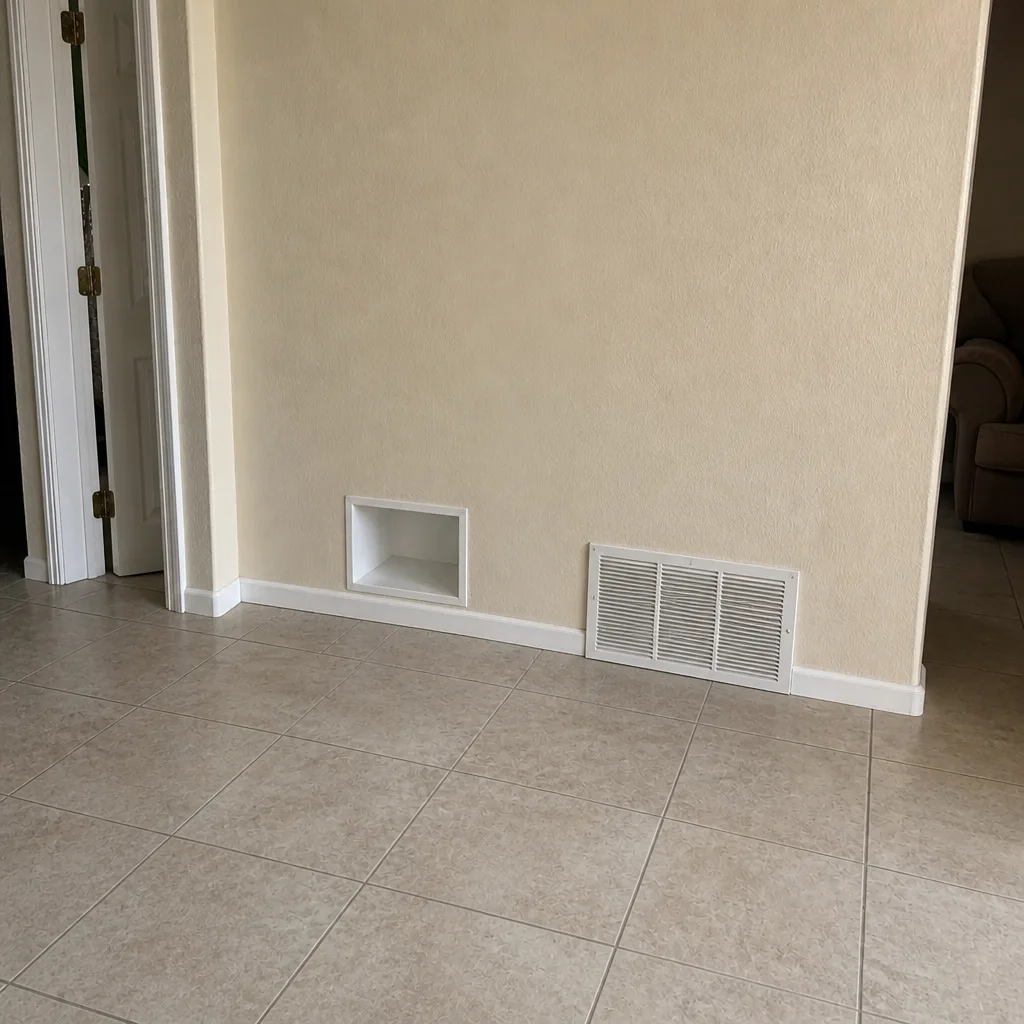 After
When to Call a Professional
Some duct conditions need a trained contractor on site to assess, not an over-the-counter cleaner or a shop vacuum with a long hose. Call a professional when:
- Visible dust plumes come out of registers when the system kicks on
- You’re noticing persistent musty odors that don’t resolve with filter changes
- Family members with allergies or asthma see symptoms worsen indoors
- The HVAC system is struggling to push air through some rooms but not others
- You’ve noticed the dryer taking noticeably longer to dry loads or the vent line is warm to the touch after a cycle (fire-risk signal)
- You’re buying a home and the inspection noted duct condition concerns
- It’s been several years since the ducts were cleaned and the home has had pets, renovations, or water intrusion
The assessment is free, and a written estimate gives you an exact scope to compare against other quotes. Duct Cleaning McAllen offers free estimates in McAllen. Call (888) 971-5813. We answer 24/7. Fast dispatch from 7am to 7pm, Sunday through Friday.
We work with a full range of professional equipment, including Rotobrush contact cleaning, Nikro extraction, and Abatement Technologies filtration, and we handle the cleaning, repair, and dryer vent safety scope under a single coordinated visit. For a closer look at our approach, our main duct cleaning McAllen page walks through the full-service scope.
Frequently Asked Questions
Typical whole-house air duct cleaning in McAllen runs several hundred dollars and up for a proper multi-component job with brush agitation, containment, and filtration; less than that almost always means a partial scope. Any quote that’s meaningfully cheaper isn’t good value, it’s a different (smaller) job with the same label. Ask for a written scope and see whether the components listed justify the price. Call (888) 971-5813 for an exact quote on your home, because estimates are free and they’ll be based on your actual system.
Because they’re quoting a different job. A cheap quote usually covers a single vacuum pass of visible registers with no brush agitation, no containment, no filtration, and no branch run cleaning. The equipment costs don’t go away when the price drops; the work does. When the technician arrives and the actual scope turns out to be more involved, the price adjusts upward, and you’ve already committed. The only defense is a written scope before booking. Call (888) 971-5813 and we’ll send a scope you can compare line by line against any other quote you’ve collected.
Before-and-after photos of the duct interior for the component list in the scope of work is the standard answer. A credible contractor can show you photos of the trunk lines, branch runs, air handler, and registers before work starts and after the final vacuum pass. Any contractor unwilling to provide them is signaling that the photos wouldn’t support their claims. Call (888) 971-5813 to book a visit and we’ll include the documentation as part of the job.
For most McAllen homes, every three to five years is a reasonable interval if there are no special conditions. Homes with pets, recent renovations, water damage, or someone with respiratory sensitivity usually need it more often. Homes with new ductwork or ductwork cleaned recently with documented evidence don’t need it sooner just because a contractor markets aggressively. Filters are the regular-maintenance item; duct cleaning is the periodic one. If you’re not sure where your home stands, call (888) 971-5813 for an assessment.
No. Texas does not license the air duct cleaning trade. Because of that, there’s no state board to check with, no license number to verify, and no state inspection after work is done. The screening process in this guide stands in for that absent regulatory oversight. Ask about equipment specifications, NADCA membership, written scope of work, and post-job documentation. That’s what you have to work with in McAllen, and it’s enough when you use it.
Yes in most homes. Access panels are typically cut into the duct system at service points that are reachable from the attic, garage, or interior wall, and the openings are covered afterward. In older McAllen homes where duct runs are tight or unplanned, some homes need additional access. That should be reflected in the written scope of work before the visit. If a contractor says all access will happen in the attic without confirming anything on site, that’s a check-in-the-door, not an assessment. Call (888) 971-5813 to schedule a visit and we’ll confirm the access approach for your home.
What does a legitimately priced job include that a cheap one doesn’t?
A legitimate full-system clean includes two technicians, mechanical brush agitation across all accessible components, negative-pressure extraction with a professional-grade vacuum, containment or filtration to protect the living space, and before-and-after photos of the duct interior. Those pieces have fixed costs, and they’re what’s missing from a cheap quote. If you want to understand what a real scope involves in detail, our air duct cleaning service page breaks it down component by component. Call (888) 971-5813 and we’ll walk through the specific scope for your system.
The Bottom Line
Texas doesn’t license air duct cleaning, so the only credential check that happens is the one you do. Ask about vacuum CFM ratings, vacuum collection method, agitation brush systems, and whether filtration runs during the job. Ask whether the contractor is a NADCA member and what that means on a real job site. Expect a written scope of work that lists every component accessed, and do not sign one that doesn’t. Treat any whole-house quote under $200 in McAllen as a scope problem, not a bargain. Demand before-and-after photos and a component-by-component summary when the job is done. Those five checks separate equipment-serious contractors from the vacuum-and-blow operators, and they cost you nothing to ask.
If you want a written scope and a free estimate for your home in McAllen, call Duct Cleaning McAllen at (888) 971-5813. We answer 24/7. Fast dispatch from 7am to 7pm, Sunday through Friday. Our technicians have up to 12 years of experience, and every job includes before-and-after photos as standard documentation.
Written by the team at Duct Cleaning McAllen.