
Last updated November 15, 2026
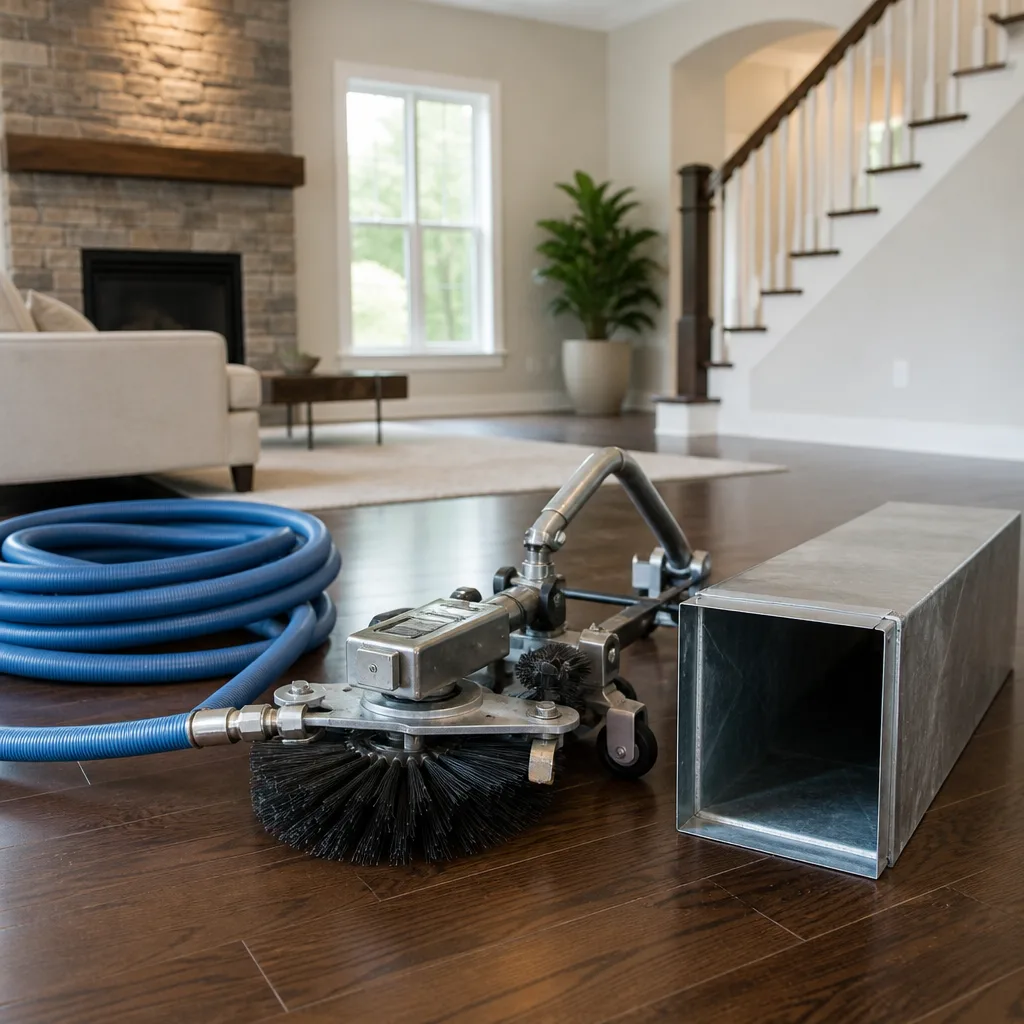 Whole-home duct cleaning
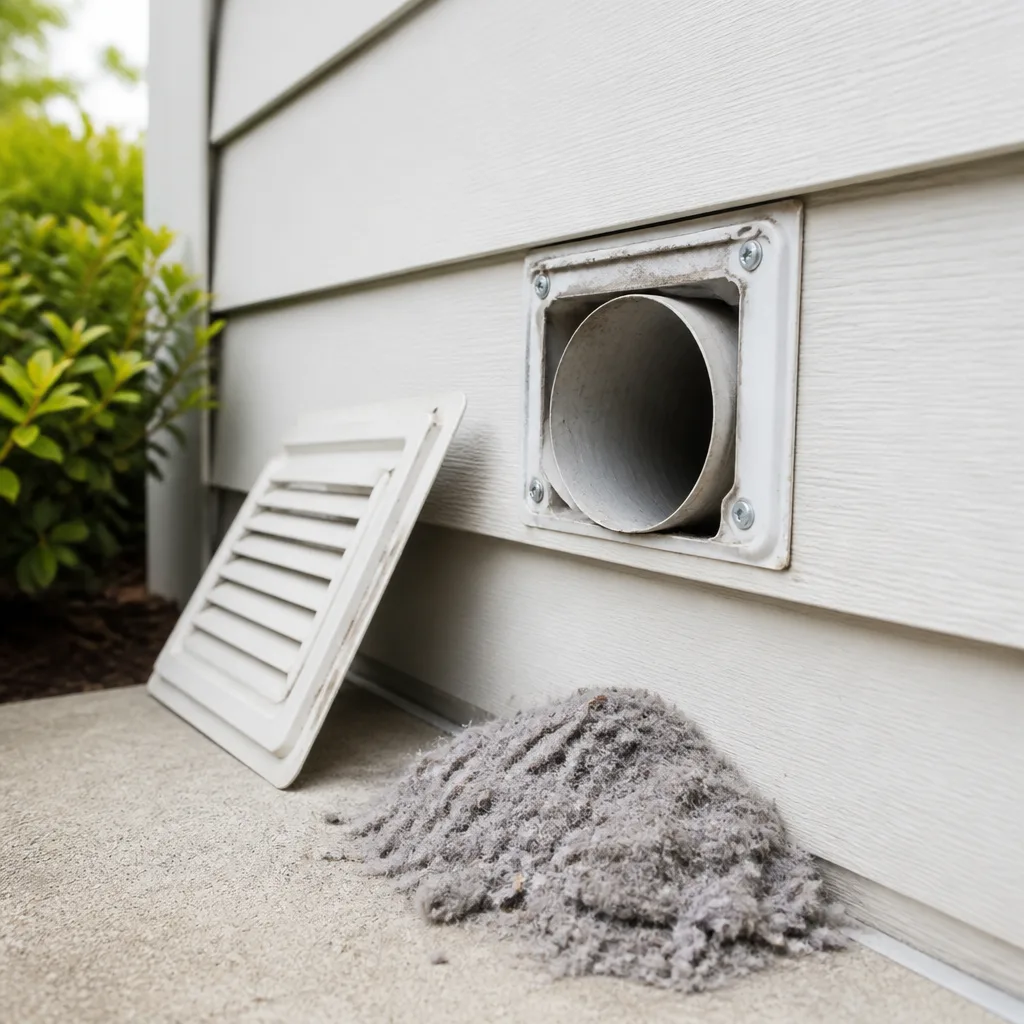 Dryer vent cleaning
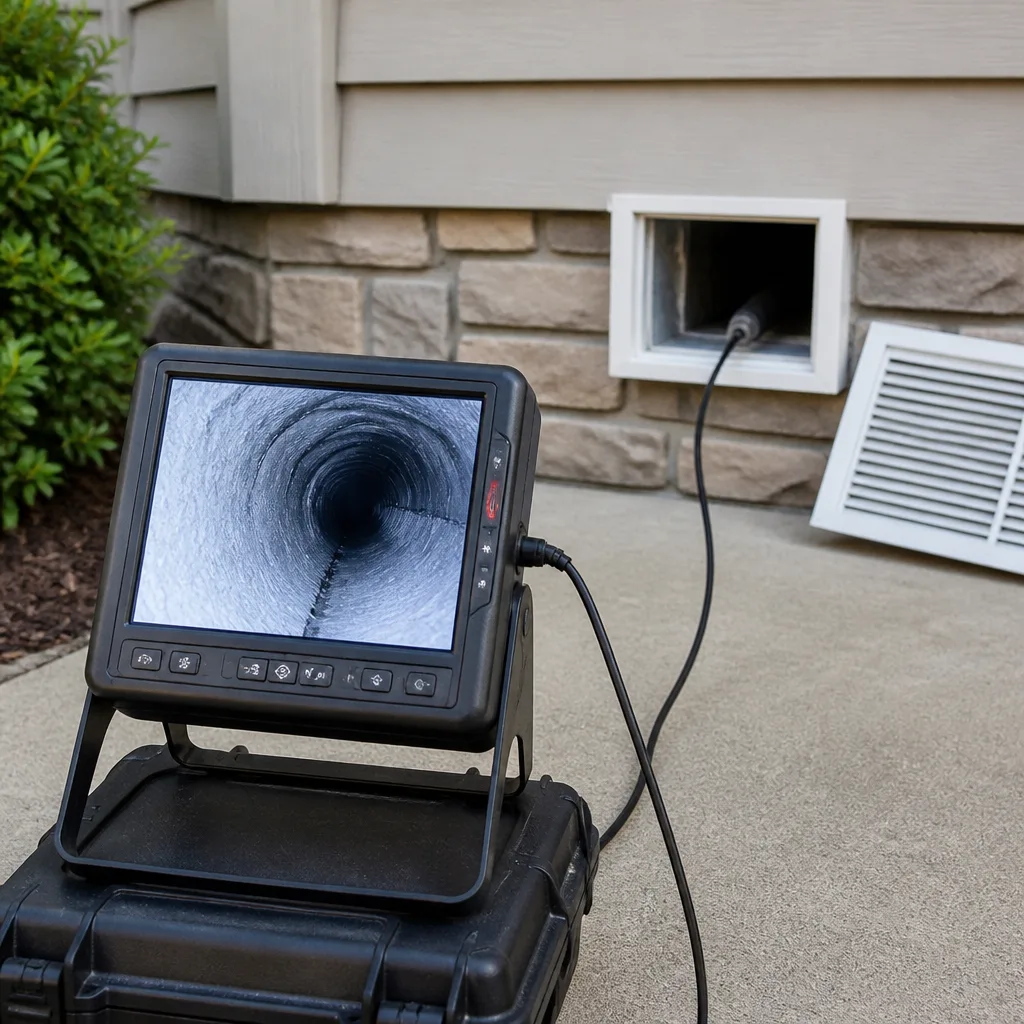 Camera inspection
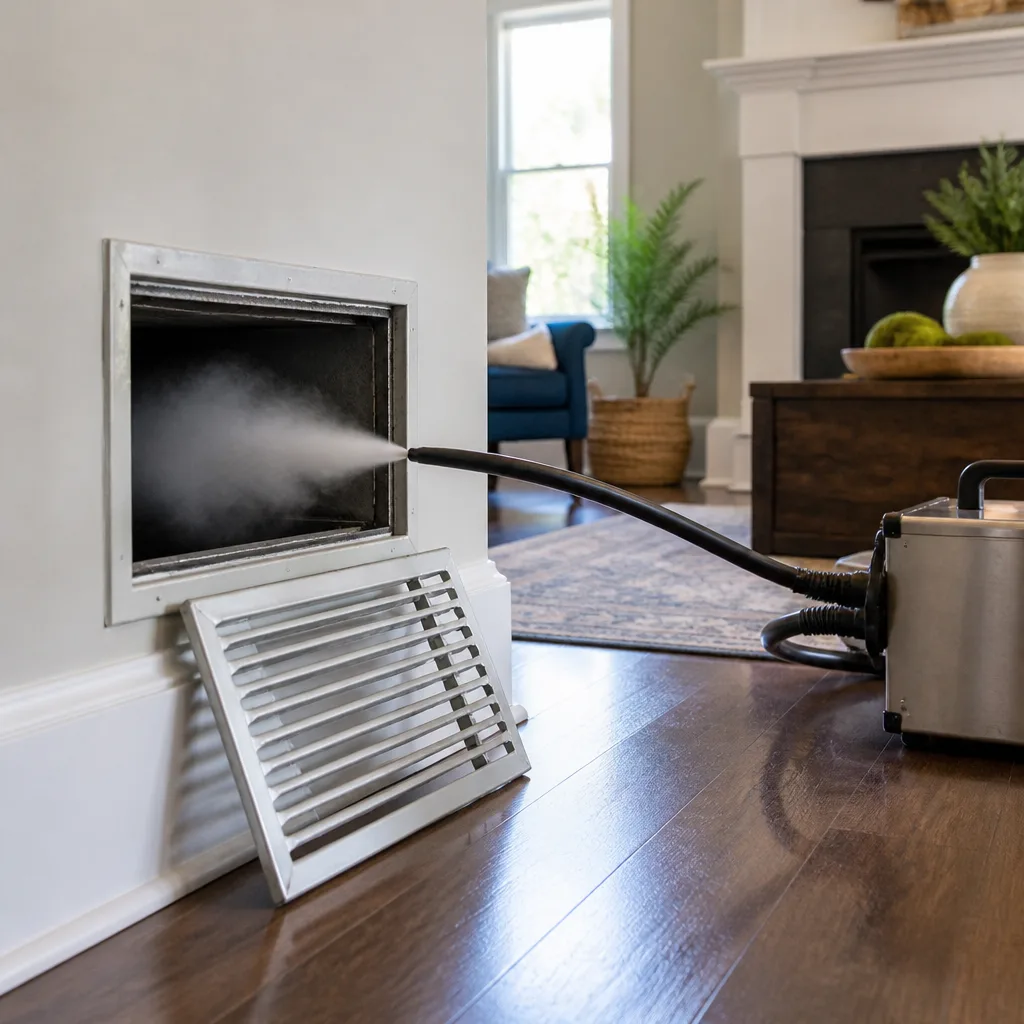 Sanitizing & deodorizing
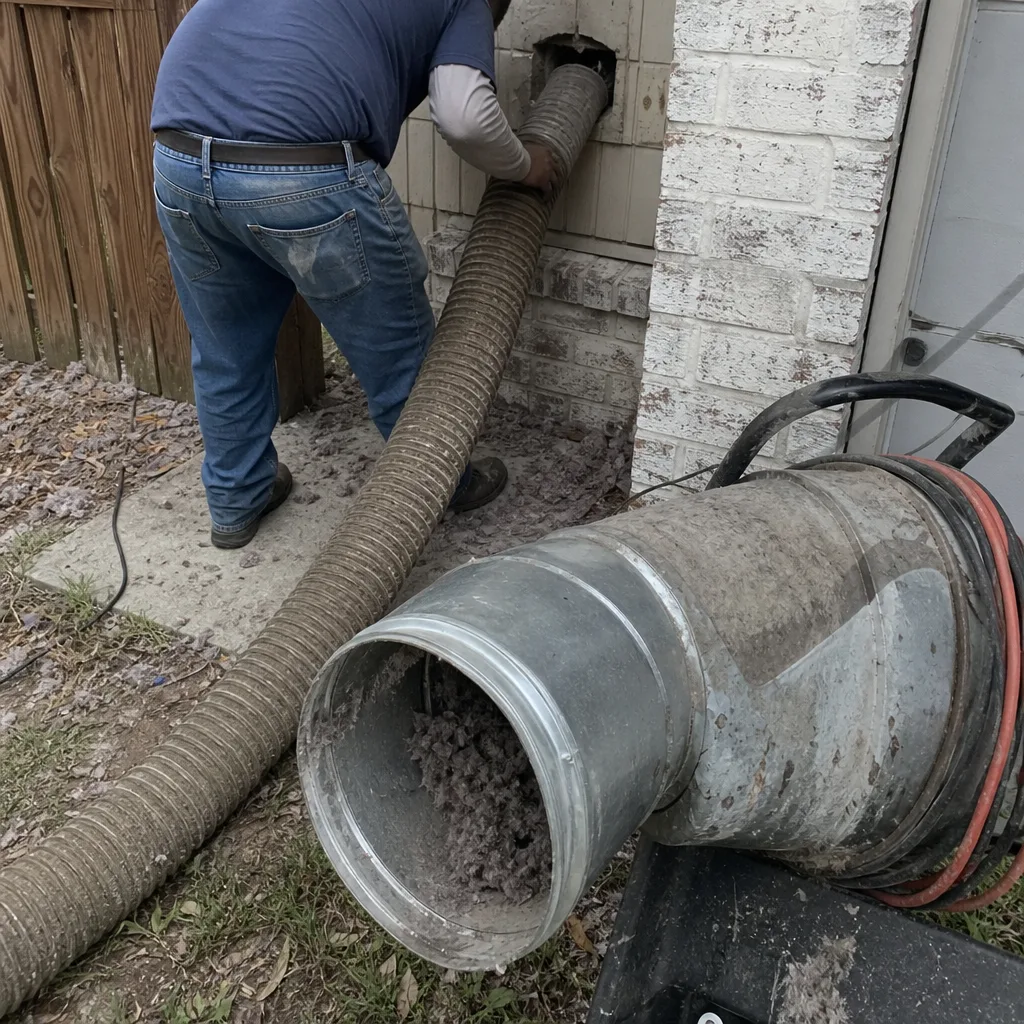
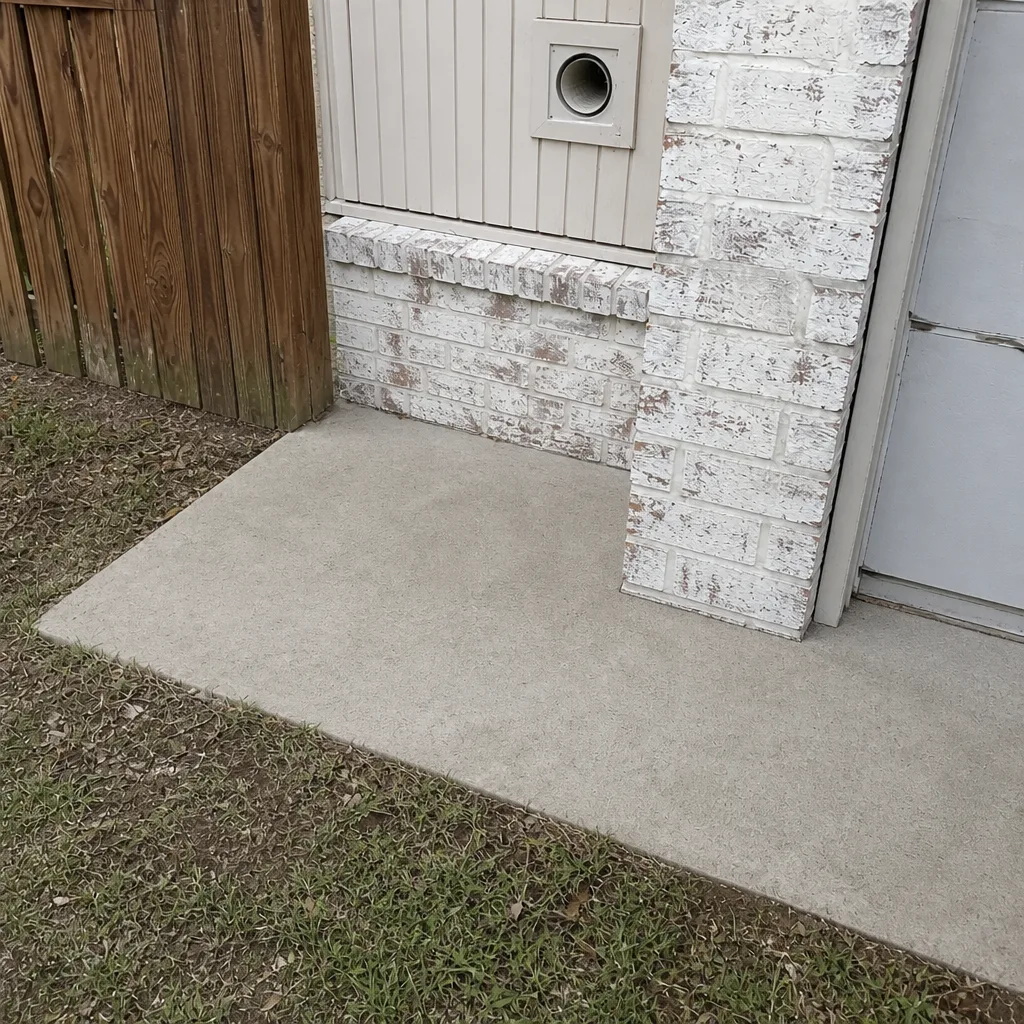
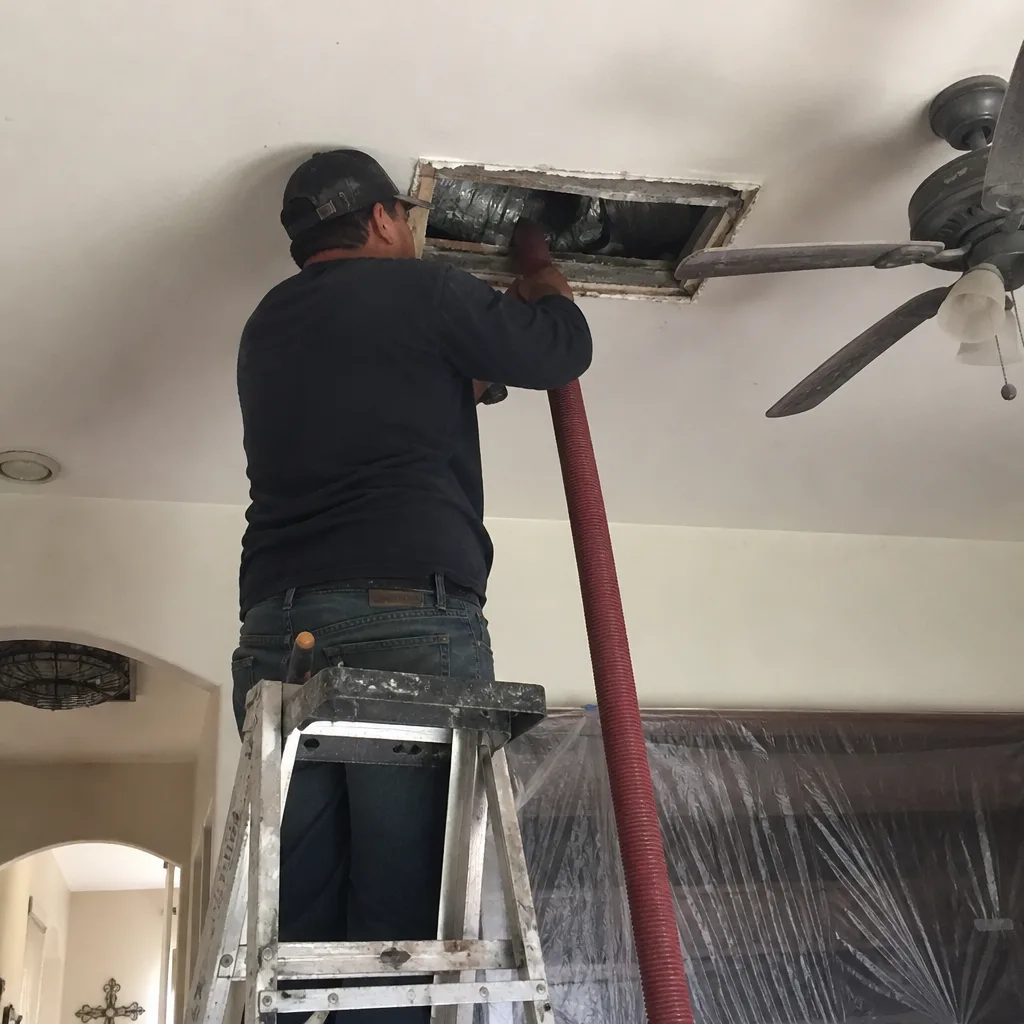
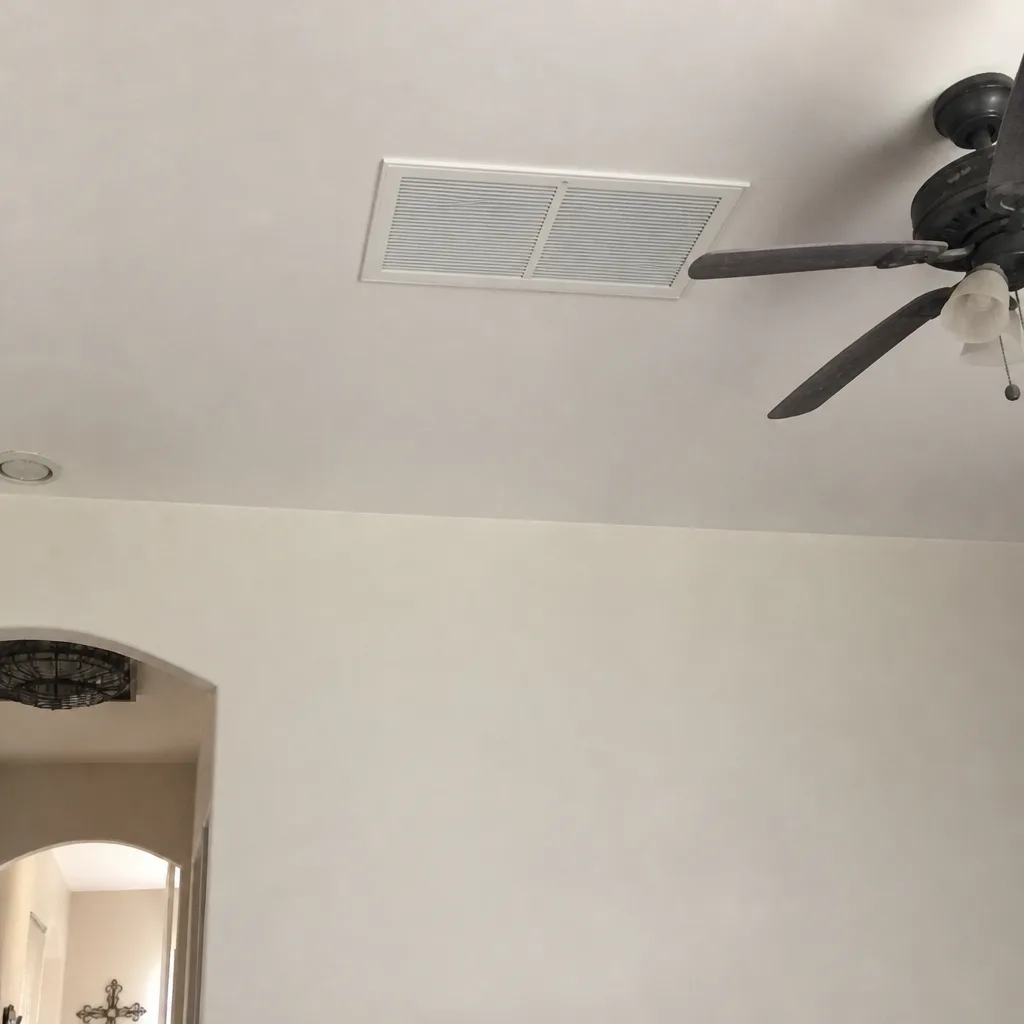
Whole-system duct and dryer vent check with before-and-after photos - you see exactly what came out of your vents
That "$99 whole-house special" is a bait ad - the real number appears once they are in your hallway, or the "clean" is a shop-vac at the register. We photograph the inside of your ducts before and after instead.
Seasonal Air Duct Cleaning Care for McAllen: Year-Round Homeowner’s Guide
Scheduling duct cleaning in October because “it’s fall” makes sense in Chicago. In McAllen, your system has been running near-continuously since March and carrying humidity loads that peak in August, so the actual optimal timing looks completely different. The calendar seasons most guides describe don’t match what happens inside a duct system here. What matters is the cooling season’s length, the humidity curve, and the short heating stretch that follows. This guide walks through what changes inside your ducts across a McAllen year, which months are the real contamination checkpoints, and how to build a service rhythm that follows the climate instead of fighting it.
Quick Answer
For most McAllen homes, the highest-value time to clean air ducts is late summer into early fall, right after the long cooling season has pushed the most particulate and moisture through the system. A spring inspection before peak demand catches problems early, and a short heating-season check catches gas-heat contamination before it sits idle for months. A two-year rolling schedule – deep clean, then inspect-and-spot-clean – fits this climate better than a generic annual appointment.
Styles & brands we work with
- Whole-home duct cleaning
- Dryer vent cleaning
- Camera inspection
- Sanitizing & deodorizing
Table of Contents
- What Happens Inside Ducts During McAllen’s Long Cooling Season
- Why Late Summer Is the Highest-Contamination Checkpoint
- Spring Pre-Season Inspection: What to Check Before Peak Demand
- The Short Heating Cycle and Its Own Contamination Pattern
- Allergy Seasons in the Rio Grande Valley and Duct Particulate Load
- Building a Two-Year Rolling Service Schedule for McAllen
- Dryer Vent Safety: The Seasonal Check Most Homes Skip
- Repair or Clean? Reading the Signs in McAllen Ductwork
What Happens Inside Ducts During McAllen’s Long Cooling Season
McAllen’s cooling season doesn’t run three months. It runs closer to seven or eight, and the system rarely gets a real break. That sustained runtime changes what accumulates inside the ductwork compared with a northern home where the AC sits off half the year.
Three things happen at once during a long cooling season:
- Continuous airflow keeps particulate moving. Dust, pollen, and lint that enter the return side don’t settle and stay put – they’re pushed through supply runs again and again, coating duct walls a little more each week.
- Condensation events build up. When humid Gulf-region air meets cold evaporator coils and cold duct surfaces, moisture collects. That moisture doesn’t evaporate quickly in a McAllen summer, and damp dust is stickier than dry dust.
- Filter loading accelerates. A filter that lasts three months in a dry climate can load faster here because the airstream carries more moisture and more fine particulate at the same time.
By the time August arrives, a duct system in McAllen has been handling near-continuous duty for five months. That’s the point where accumulated material on duct walls becomes heavy enough to affect airflow and to feed musty odors back into living spaces. It’s also why homeowners in neighborhoods across McAllen notice the difference most in late summer – the system sounds the same, but the air smells different and the house feels harder to cool. Your ducts work harder than you think during this stretch, and the wear is cumulative rather than sudden.
Why Late Summer Is the Highest-Contamination Checkpoint
If you schedule one duct service in a McAllen year, put it in late August or September. That’s when contamination inside the system peaks, for reasons that stack on top of each other.
- Maximum runtime hours. The system has run almost without pause since spring, moving the largest total volume of air it will move all year.
- Peak humidity load. August is when moisture in the airstream and on coil surfaces is highest, and damp particulate bonds to duct interiors more aggressively.
- Peak indoor particulate from closed windows. Homes stay sealed against the heat, so dust and allergens that would otherwise vent outside recirculate through the system instead.
- Filter bypass has had months to accumulate. Small gaps around filter frames let unfiltered air past all season, and by late summer that bypass shows up as visible dust on supply registers.
Cleaning at this checkpoint removes the season’s accumulation before the heating cycle pushes it around again. It also gives you a clean baseline to inspect from going into the milder months. In our experience, a late-summer cleaning followed by a spring inspection the next year catches far more than a single appointment dropped randomly on the calendar.
The equipment matters as much as the timing. Contact cleaning with a Rotobrush system mechanically agitates material off duct walls, and Nikro industrial vacuum extraction pulls it out under real suction. One without the other leaves a film behind. Pairing both with containment-grade filtration from Abatement Technologies during the job keeps the cleaning process from pushing dust into your living space – a standard borrowed from remediation work that routine duct cleaning often skips.
Spring Pre-Season Inspection: What to Check Before Peak Demand
Spring in McAllen is short and easy to miss. The useful window is the stretch before the system starts running all day, when problems are still cheap to fix and haven’t yet cost you efficiency through a full cooling season.
Work through these checks before peak demand hits:
- Look at the return grille and filter frame. Dust buildup visible on the grille face or around the filter edges signals bypass or a filter that’s loading too fast.
- Check supply registers in each room. Streaks of dark dust around the louvers point to particulate settling in that branch run.
- Listen for airflow changes. Weak flow from some vents and strong from others usually means a disconnected or crushed flex run, not a dirty filter.
- Smell the air when the system first starts. A musty note at startup that fades after a few minutes is a common sign of damp material sitting in the ducts or on the coil.
- Inspect accessible duct joints and connections. Loose tape, gaps at plenum connections, and sagging flex duct all leak conditioned air into attic space before it reaches your rooms.
Catching these in spring, before the system runs continuously, means a repair and a cleaning happen on your schedule rather than in the middle of an August heat wave when everything feels urgent. Air duct repair done at the source also keeps a cleaned system from re-contaminating through the same leaks. If a pre-season walk-through turns up more than a filter change, a professional inspection will tell you whether the issue is a repair, a cleaning, or both. Spring is also the right time to look at any whole-home air quality equipment you own – a Honeywell or Aprilaire filter or humidity control system that hasn’t been serviced in a year can undercut everything downstream of it.
The Short Heating Cycle and Its Own Contamination Pattern
McAllen’s heating season is brief, but it isn’t trivial. A system that sits idle for eight or nine months and then runs for a few weeks creates a specific contamination pattern that a cooling-season-only cleaning schedule misses entirely.
Homes with gas heat have the clearest version of this. During the long off-season, dust settles onto heat exchanger surfaces and inside the flue path. When the furnace first fires up, that settled material burns off and releases an odor – often the “first heat” smell homeowners notice on the first cold morning. It’s normal to a degree, but heavy or persistent odors point to dust and debris that should have been removed.
Two things are worth scheduling around the heating cycle:
- A pre-heating check before the first cold snap. Look at the furnace area, confirm the filter is fresh, and note any debris near the heat exchanger opening before the system runs.
- A post-heating inspection after the season ends. Once the furnace goes idle, any material that circulated during the heating weeks has settled – a good moment to assess whether the duct system needs attention before cooling season returns.
Gas heat is a genuine safety consideration. Combustion components, the heat exchanger, and flue connections belong in the hands of a trained technician, and any concern about a gas smell or a cracked heat exchanger should prompt a call rather than a DIY look. Duct cleaning scopes don’t include furnace repair, and we’ll say so plainly when a heating issue needs a different trade.
Allergy Seasons in the Rio Grande Valley and Duct Particulate Load
Allergy season in the Rio Grande Valley doesn’t follow a single calendar month. It rolls. Mountain cedar typically runs through the winter months, grass pollens build through spring and into summer, and the combination means outdoor particulate is present in the air for most of the year. McAllen homes stay closed against the heat for much of that time, which pushes the burden onto the duct system.
Here’s the connection most homeowners don’t make: the duct system is the delivery route for whatever particulate slips past the filter. When outdoor pollen load is high and the house is sealed, the same fine particles recirculate repeatedly because they aren’t being exhausted outside. A duct interior coated with sticky, damp dust holds onto those particles and releases them back into the airstream with every cycle.
Practical steps that help during high-pollen stretches:
- Change filters on a tighter schedule during peak pollen weeks rather than waiting for a fixed month count.
- Keep the return grille and filter frame sealed so pollen doesn’t bypass filtration entirely.
- Note which rooms feel worse during cedar or grass season – that pattern often points to a specific branch run with heavier accumulation.
Cleaning at the end of a heavy pollen stretch clears the accumulated load before the next season adds to it. If your home also runs a whole-home filter or humidity system, keeping that equipment serviced matters as much as the ducts themselves – a Honeywell or Aprilaire unit that isn’t maintained can’t remove what it’s designed to remove.
Building a Two-Year Rolling Service Schedule for McAllen
An annual appointment is a simple schedule, not necessarily the right one for this climate. A two-year rolling plan that follows McAllen’s actual rhythm usually produces better results for less disruption: a full deep clean in year one, then inspection and targeted work in year two, with the cycle repeating.
Here’s how the two years break down:
- Year one, late summer – full deep clean. Schedule after peak cooling season, when contamination is highest. Contact cleaning plus industrial extraction, with containment filtration running during the job.
- Year one, pre-heating – a light check. Confirm filter condition, look at the furnace area, and note any odor at first startup.
- Year two, spring – inspection. Check registers, joints, and airflow balance before the cooling season starts. Catch leaks and disconnected runs early.
- Year two, late summer – targeted cleaning or repair. If the spring inspection found specific problem runs, address those rather than repeating a full clean. If the system stayed clean, extend to a three-year cycle for the next deep clean.
- Year two, post-heating – close the loop. A final look after the heating season ends, then restart the cycle.
This schedule treats cleaning as one part of a system that also includes filtration, duct repair, and the equipment attached to it. Guardsman-grade protective treatments applied after cleaning can help slow re-accumulation on duct surfaces, which stretches the value of a deep clean across the rolling cycle. The point isn’t more appointments – it’s the right appointment at the right time in the McAllen year. For a closer look at what a full cleaning includes, see our air duct cleaning page.
Dryer Vent Safety: The Seasonal Check Most Homes Skip
Dryer vent cleaning belongs on the seasonal list for a reason that has nothing to do with comfort. Lint accumulation in a dryer vent is a leading cause of residential fires, and a vent that’s partly blocked also makes every load take longer – which means the dryer runs hotter and longer, compounding the risk over time.
In a McAllen home, the dryer runs year-round regardless of season, so lint accumulates on a steady curve with no natural reset point. That makes a scheduled check more useful than a wait-and-see approach. Signs a vent needs attention:
- Loads take noticeably longer to dry than they used to
- The dryer body or the wall behind it feels unusually warm during a cycle
- Lint appears around the vent hood outside, or the exterior flap doesn’t open fully
- A burning or hot-lint smell near the dryer during operation
Vent runs that travel a long distance through a wall or attic space collect lint faster and are harder to inspect without the right tools. Cleaning a dryer vent is a fire-safety service, not a cosmetic one, and it’s worth scheduling before the heating season when the dryer tends to run heavier. Our dryer vent cleaning service covers the full run from the dryer connection to the exterior termination.
Repair or Clean? Reading the Signs in McAllen Ductwork
Cleaning a damaged duct system is only half the job. Leaks, disconnected flex runs, and crushed sections let unfiltered air into the system and conditioned air out – so a cleaned system can re-contaminate through the same gaps within a season. Knowing which problem you’re looking at changes what needs to happen.
Signs the problem is cleaning:
- Visible dust streaks on registers and grilles across multiple rooms
- Musty odor at system startup that fades after a few minutes
- Dust settling on surfaces faster than seems normal for the filter you’re using
- No airflow complaints – the system moves air well, it just moves dirty air
Signs the problem is repair:
- Some rooms never get enough airflow while others do
- Visible gaps, loose tape, or separated joints at the plenum or in accessible attic runs
- Sagging or crushed flex duct that’s restricting a branch run
- Higher-than-expected cooling costs without a filter or equipment explanation
In our experience, McAllen homes with attic-run flex duct often have both problems at once. Attic heat and humidity are hard on flex duct, and joints that loosen over a long cooling season leak quietly for months. A proper assessment looks at both the cleanliness of the system and its integrity. When repair is needed, fixing the source first and cleaning second keeps the investment from being undone. A full-system approach – clean, repair, protect – is the sequence that holds up across a McAllen year.
Common Mistakes to Avoid
- Scheduling by the calendar instead of the climate. Booking a cleaning in October because “it’s fall” misses the fact that your system has been under peak load since March. Time the deep clean to the end of the cooling season, not to a northern weather pattern.
- Assuming an annual appointment is always right. In a climate with a long cooling season and a short heating season, a two-year rolling schedule with inspections in between often serves a McAllen home better than a fixed yearly visit that may be either too late or unnecessary.
- Skipping the pre-heating check because the heating season is short. A gas furnace that sits idle for months accumulates dust on heat exchanger surfaces. That first-startup odor is worth investigating, not ignoring, and it’s a safety item, not a comfort one.
- Cleaning without checking for leaks and disconnected runs. A cleaned system with leaking joints re-contaminates through the same gaps. Repair the source before or alongside the cleaning so the result lasts through the season.
- Letting filters run past their real interval during high-pollen weeks. Cedar and grass pollen stretches load filters faster in the Rio Grande Valley. A fixed three-month rule can leave a filter fully loaded weeks before it’s changed.
- Treating dryer vent cleaning as optional. Lint buildup is a leading cause of residential fires, and a partly blocked vent makes every load run hotter and longer. It belongs on the seasonal list alongside the ducts.
- Accepting a per-vent price or a coupon quote as the whole story. A low teaser price that grows once the technician is on site is the industry’s worst habit. Ask for one flat price per system, agreed in writing before work starts, and before-and-after photos of your own ducts.
See the difference
 Before
 After
 Before
 After
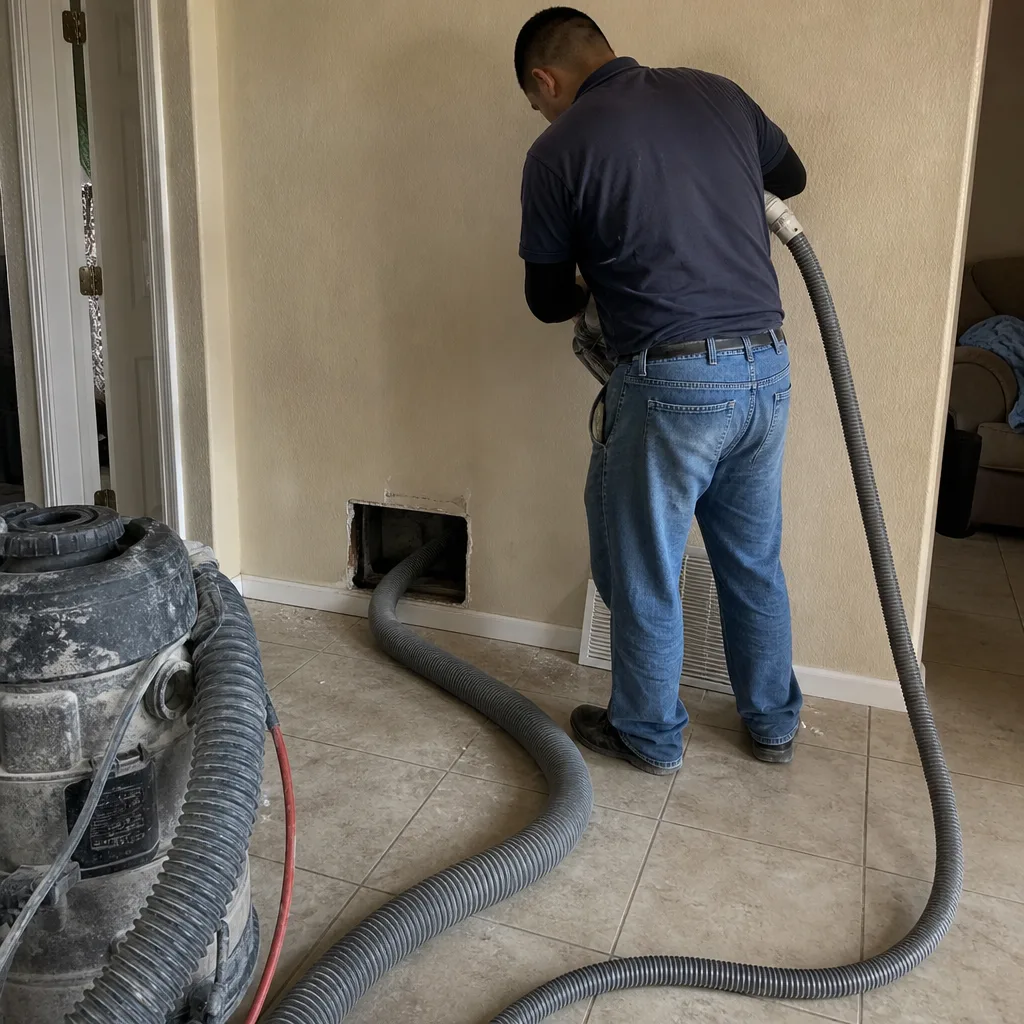 Before
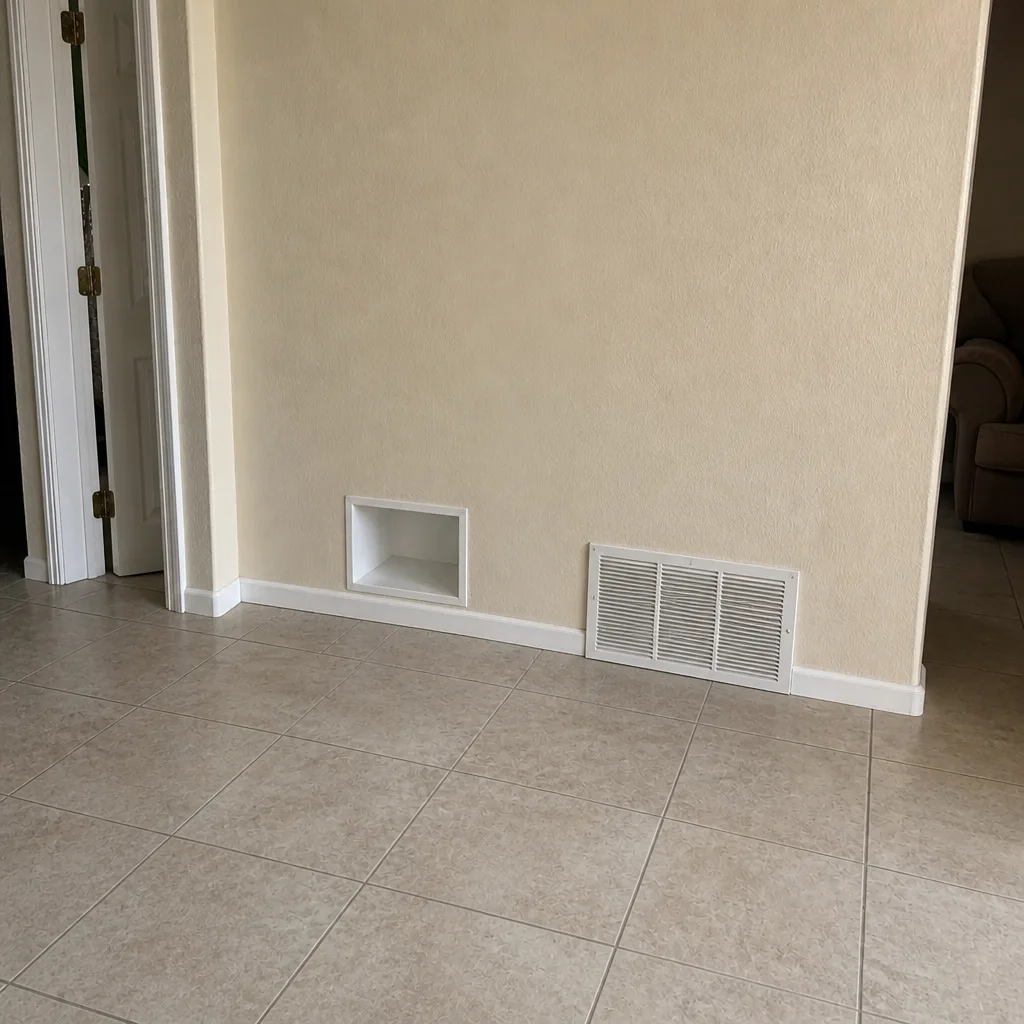 After
When to Call a Professional
Some seasonal tasks are reasonable for a homeowner to handle – a filter change, a visual check of registers, a look at the return grille. Others need equipment and training. Call a professional when you see visible dust streaking across multiple registers, smell musty or burning odors at system startup, notice rooms that never get enough airflow, or find loose or separated duct joints in accessible runs. A dryer vent that takes noticeably longer to dry loads, or that shows lint around the exterior hood, is also a call-worthy signal. Gas heat concerns, including any smell of gas or a suspected cracked heat exchanger, warrant a call to a qualified technician and should never be a DIY project. If you’re not sure whether an issue is a cleaning matter or a repair matter, an inspection settles it quickly. Duct Cleaning McAllen offers free estimates in McAllen – call (888) 971-5813.
Frequently Asked Questions
Late summer into early fall is the highest-value time in McAllen, because that’s when the long cooling season has pushed the most particulate and moisture through the system. A spring inspection before peak demand is the useful second checkpoint. The generic “clean in fall” advice doesn’t fit a climate where the AC runs from March into October and the heating season is only a few weeks. Call (888) 971-5813 for an exact quote – estimates are free.
Most McAllen homes do well on a two-year rolling schedule: a deep clean in year one, then inspection and targeted work in year two. The long cooling season means faster accumulation than in a climate with a real off-season, so stretching to every three or four years usually isn’t realistic unless the system stays genuinely clean at inspection. A spring inspection tells you which cycle you’re actually on. Call (888) 971-5813 to book a free estimate.
Cheap quotes usually mean a smaller scope than the price suggests – a blower pass with no contact cleaning, no real extraction, and no containment, or a per-vent price that grows once work is underway. Real cleaning involves mechanical agitation plus industrial vacuum extraction, with filtration running during the job so the process doesn’t re-contaminate the house. What you’re comparing isn’t price, it’s what actually gets cleaned. Call (888) 971-5813 for an exact quote – estimates are free.
Ask for before-and-after photos of your own ducts, taken at the same points, plus a written scope of what was cleaned and what was repaired. The right equipment matters here: contact cleaning with a Rotobrush system and Nikro industrial vacuum extraction leave a visibly different result than a blower pass alone. Containment-grade filtration from Abatement Technologies during the job also protects your indoor air while the work happens. If a contractor can’t show you the difference in your own system, that tells you something.
Yes, especially in homes with gas heat. A furnace that sits idle for eight or nine months accumulates dust on heat exchanger surfaces, and the first-startup odor on a cold morning is that material burning off. A pre-heating check catches it before the system runs, and a post-heating inspection catches anything that settled during the heating weeks. Gas components themselves are a job for a trained technician, not a DIY inspection.
It can reduce the particulate that recirculates through your home during high-pollen stretches, which is one part of managing indoor allergy load. Outdoor pollen still enters through doors and windows, and filters still need changing on schedule. Cleaning removes the accumulated material that holds and releases fine particles back into the airstream, which is why late-summer timing is useful – it clears the load before the next pollen cycle adds to it. Call (888) 971-5813 to talk through your system.
The Bottom Line
McAllen doesn’t give you four equal seasons to plan around. It gives you a long cooling season, a short mild window, and a brief heating period, and each one stresses a duct system differently. A late-summer deep clean catches peak contamination. A spring inspection catches leaks and airflow problems before they cost efficiency. A heating-season check catches gas-heat dust before it sits idle for months. Build those three checkpoints into a two-year rolling cycle, keep filters on a climate-aware interval, and put dryer vent safety on the same calendar. That’s a schedule built for McAllen rather than borrowed from somewhere else. For a starting point on the full service, visit Duct Cleaning McAllen.
Call (888) 971-5813. We answer 24/7. Fast dispatch from 7am to 7pm, Sunday through Friday.
Written by the team at Duct Cleaning McAllen.