
Last updated November 15, 2026
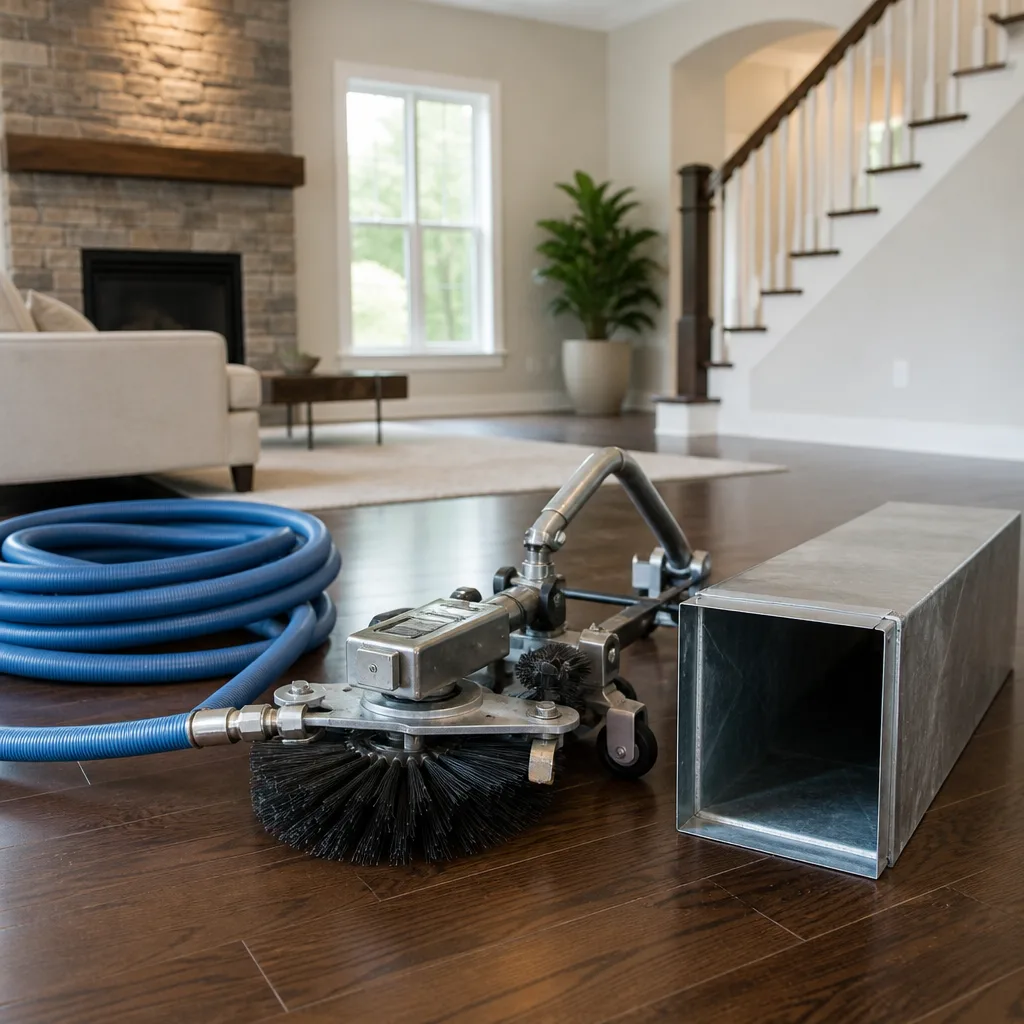 Whole-home duct cleaning
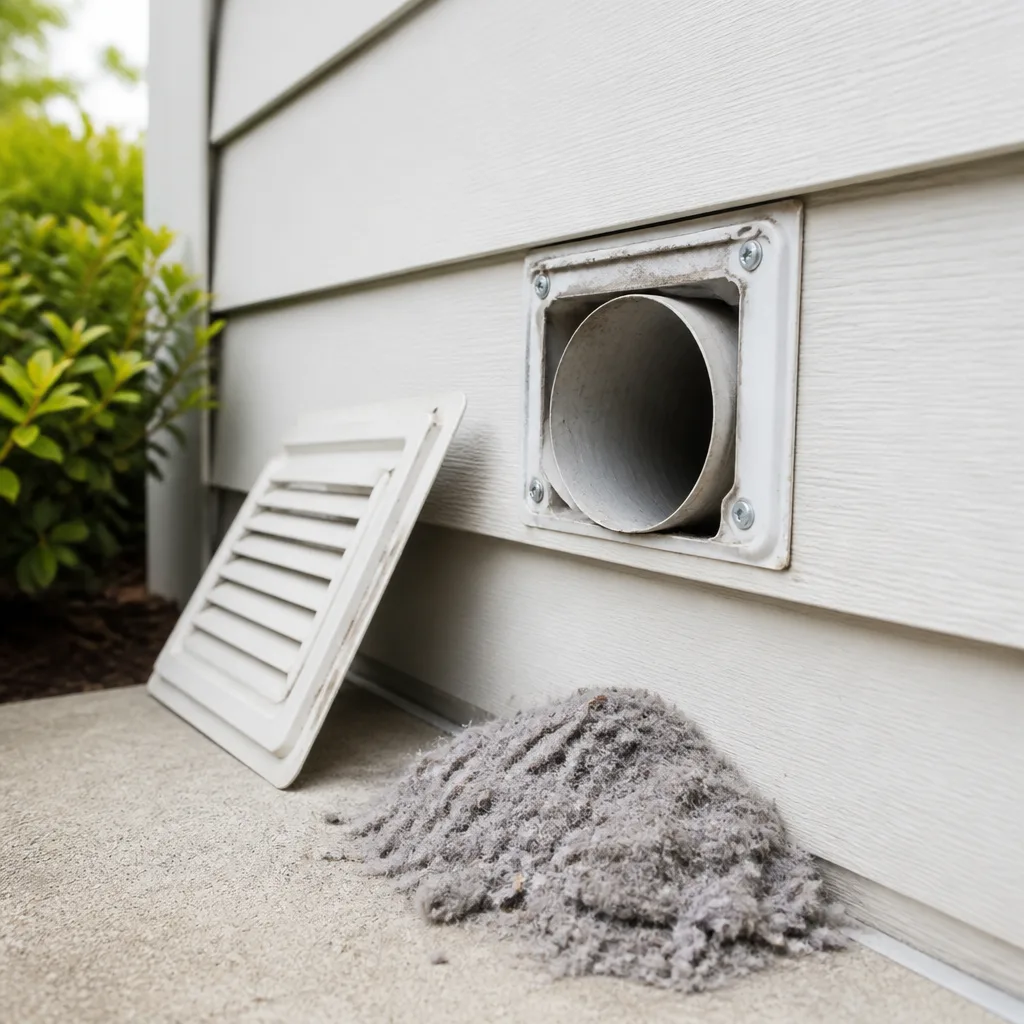 Dryer vent cleaning
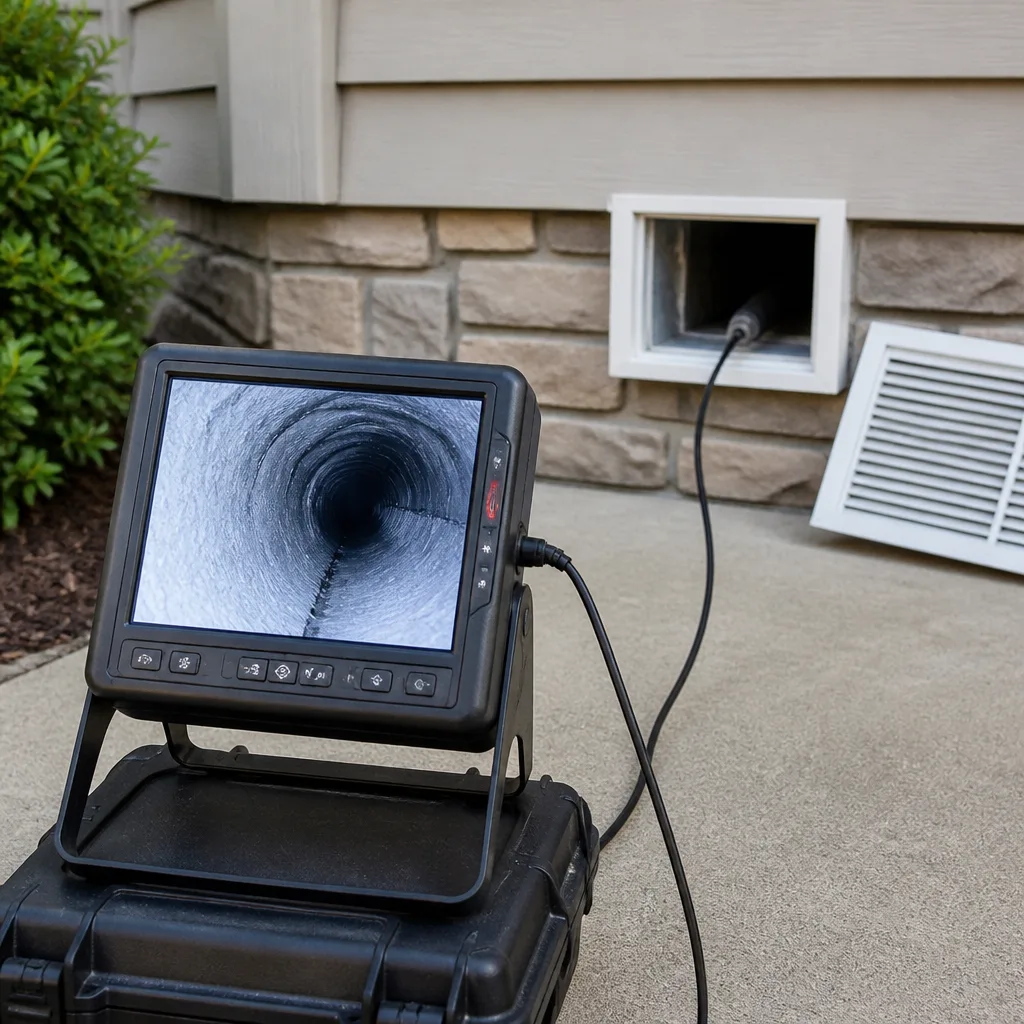 Camera inspection
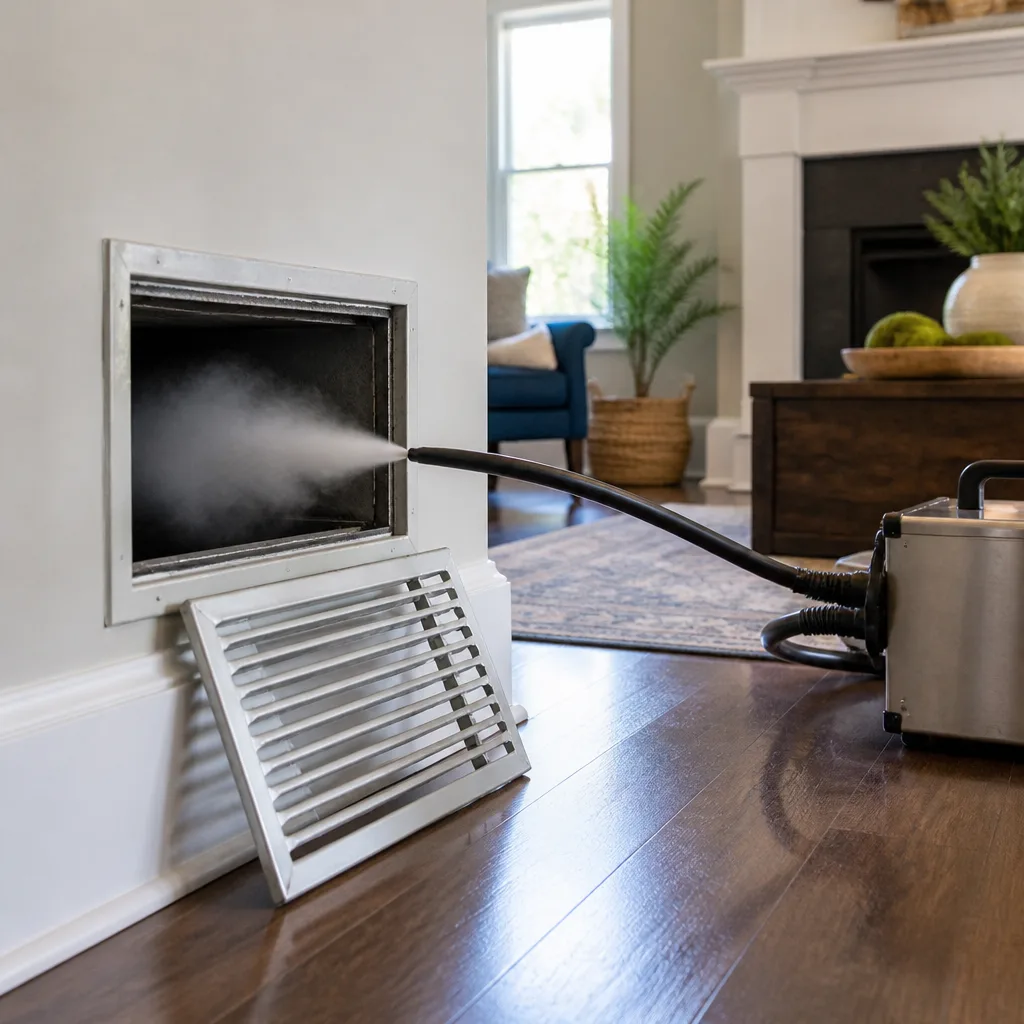 Sanitizing & deodorizing
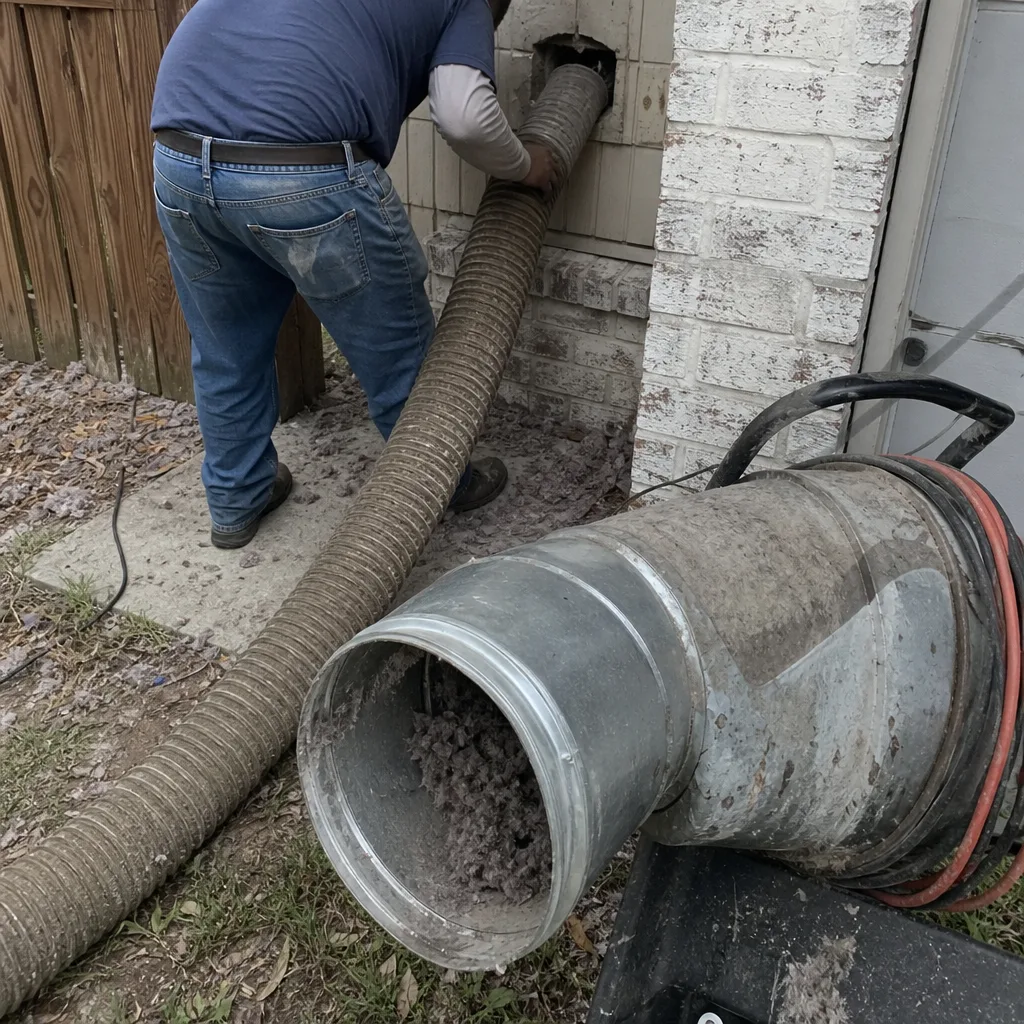
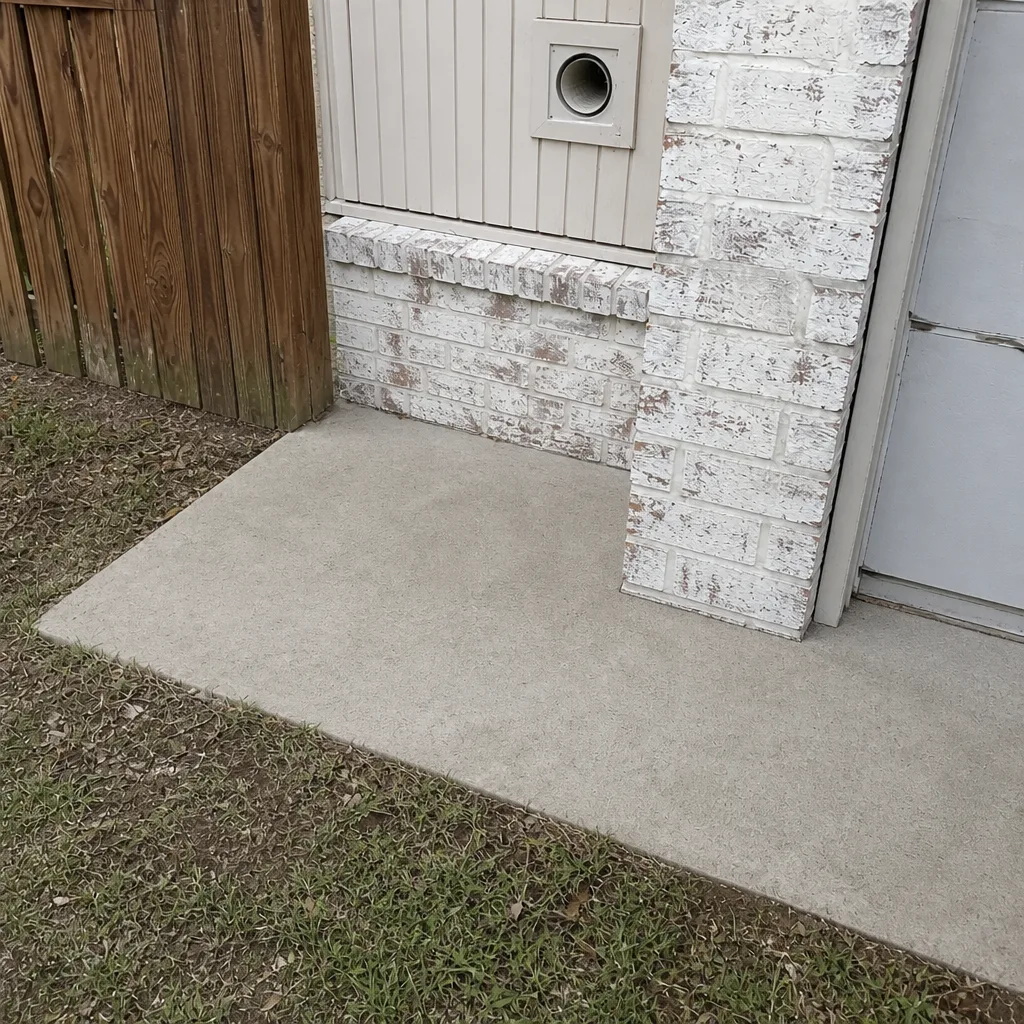
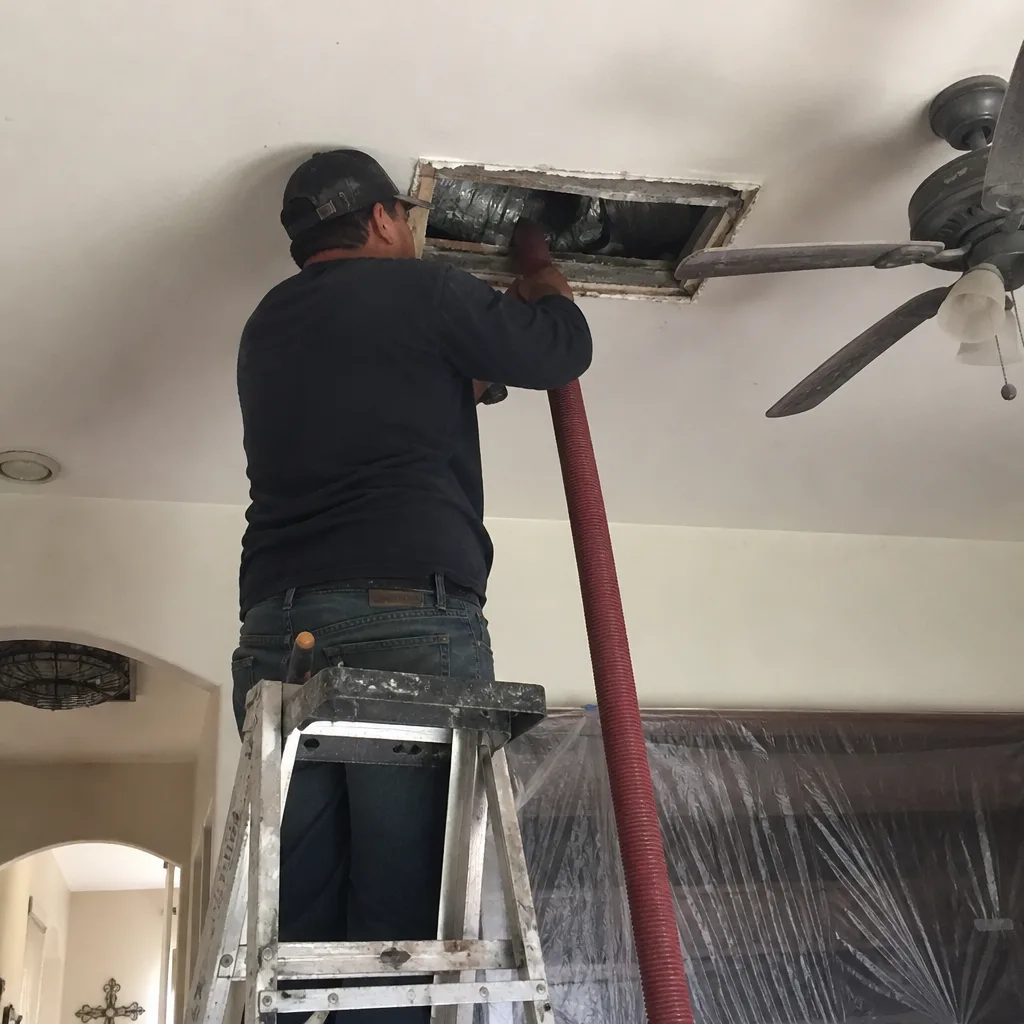
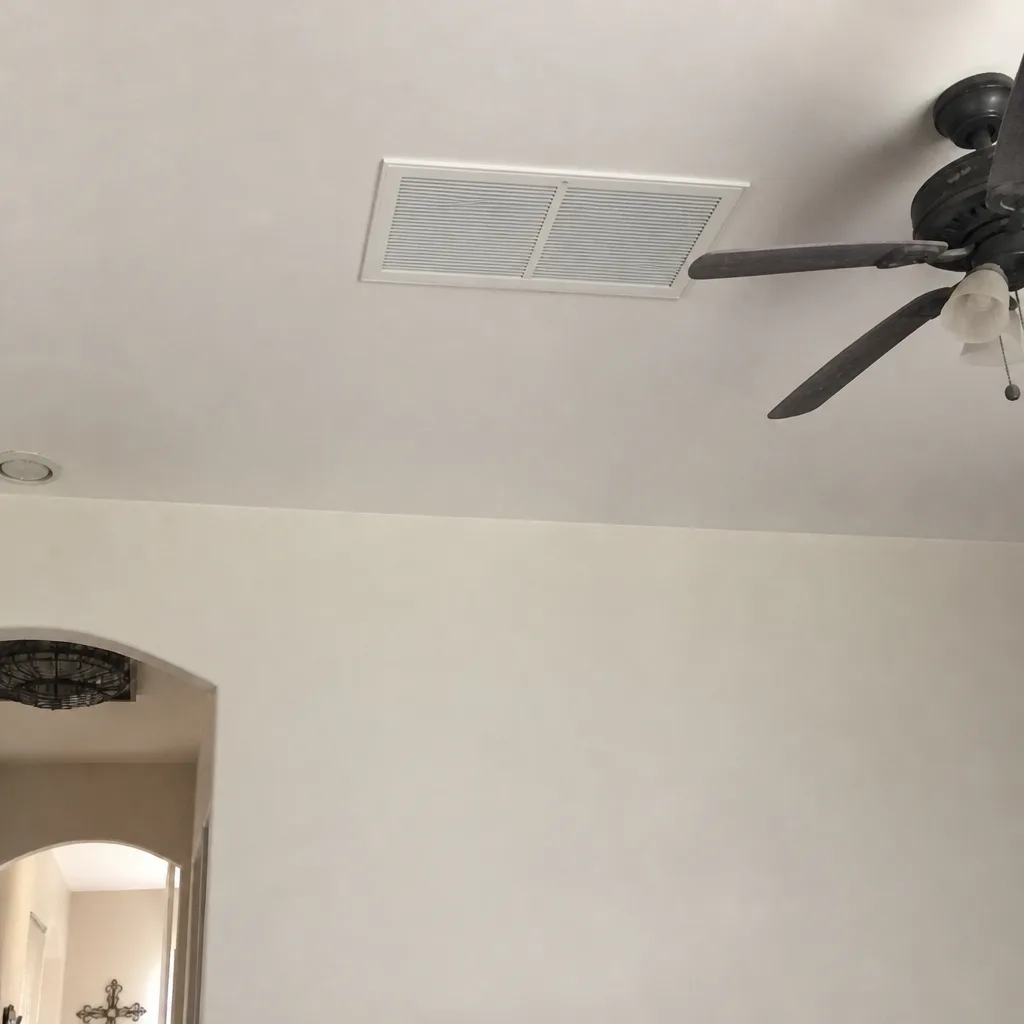
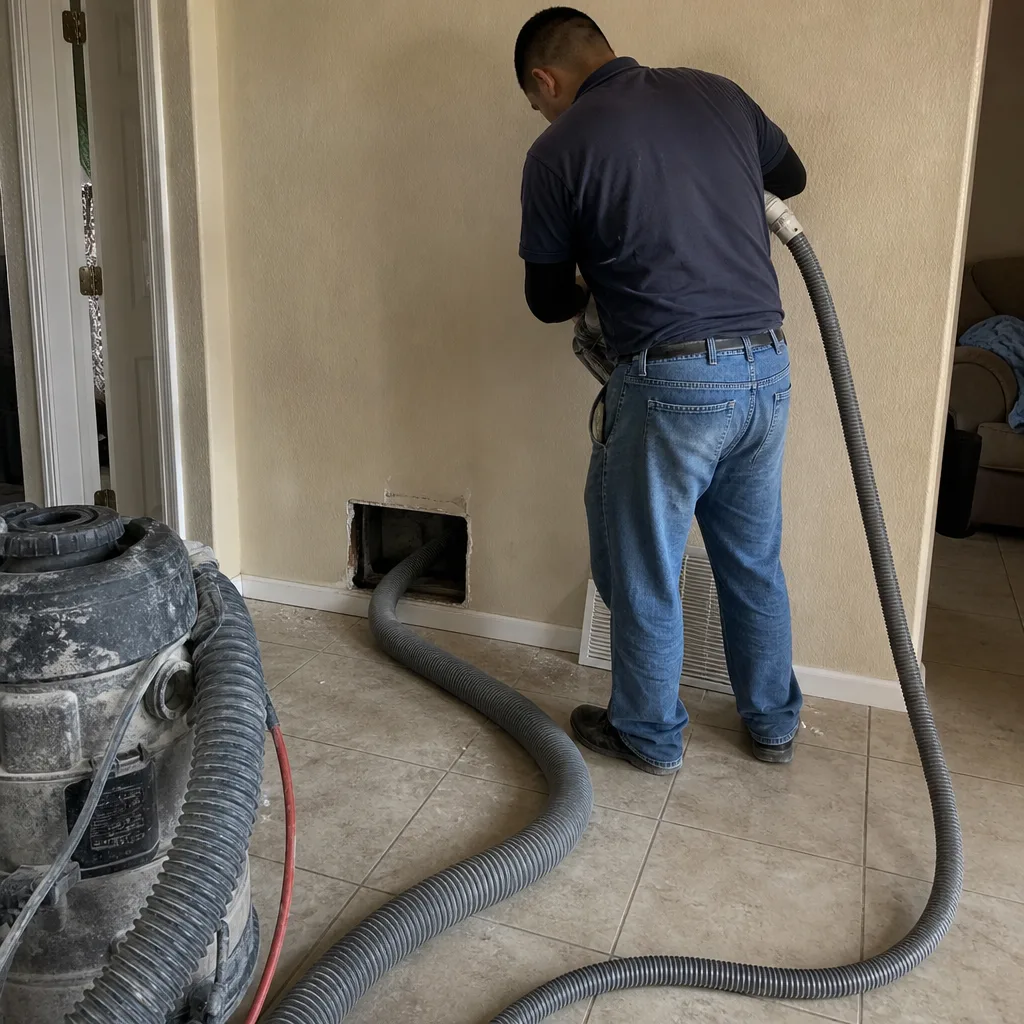
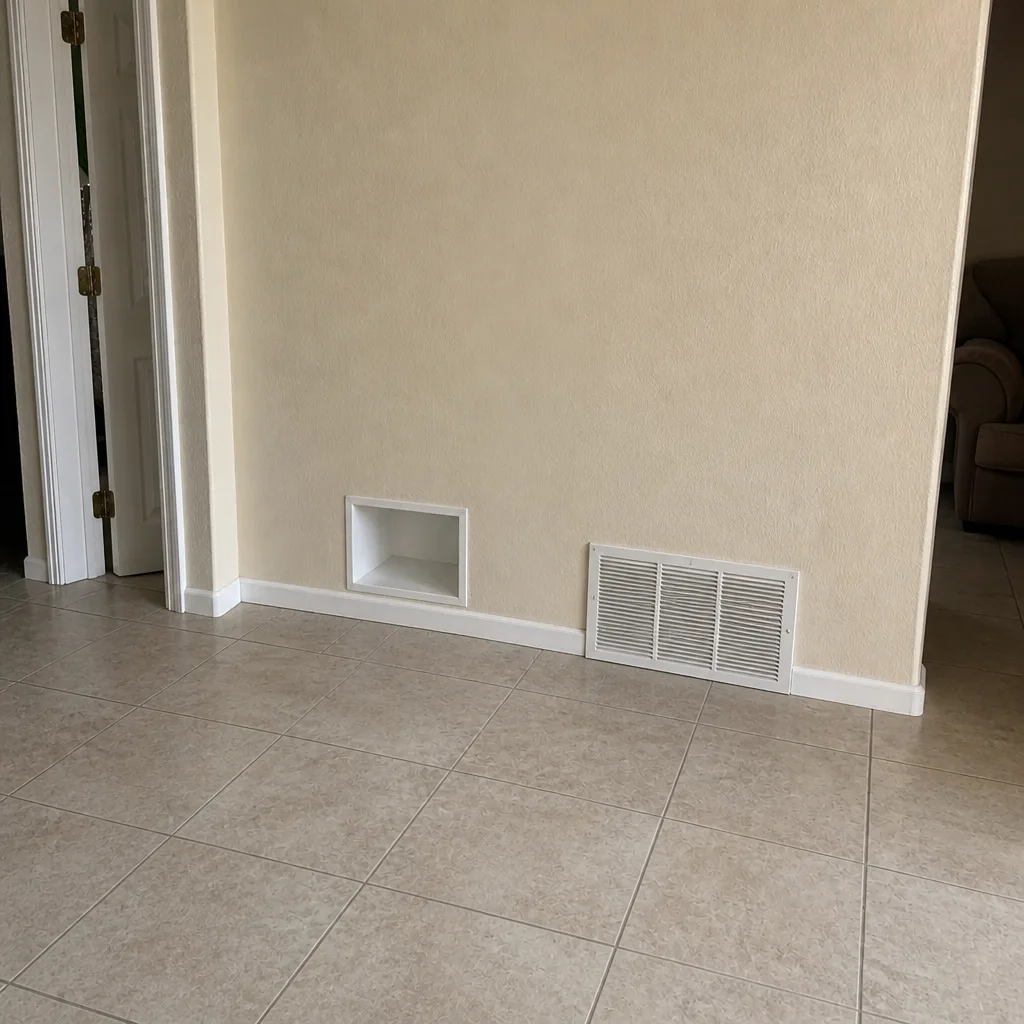
Whole-system duct and dryer vent check with before-and-after photos - you see exactly what came out of your vents
That "$99 whole-house special" is a bait ad - the real number appears once they are in your hallway, or the "clean" is a shop-vac at the register. We photograph the inside of your ducts before and after instead.
Air Duct Cleaning Cost Breakdown: The McAllen Homeowner’s Reference for 2026
A $150 duct cleaning quote and a $550 duct cleaning quote in McAllen are not the same service with different markups. They are usually two different procedures with different equipment, different labor time, and different outcomes. The price difference is a scope difference. Most homeowners shop this service by comparing the bottom-line number, which is exactly the wrong way to compare it. This guide breaks down what actually drives the cost of air duct cleaning in McAllen: the linear footage of your ductwork, how many supply and return penetrations your system has, how hard the air handler is to reach, and what class of equipment shows up at your door. By the end you’ll know what a fair range looks like for your home size, which add-ons have real technical justification, and which line items should appear on any credible written quote.
Quick Answer
Air duct cleaning in McAllen typically costs between $300 and $700 for a standard single-system home, while larger homes with two AC systems or heavy contamination commonly fall in the $500 to $900 range. Quotes under about $200 usually indicate a surface-level vacuum pass without contact agitation, and quotes above $900 should come with a written scope that justifies the labor. The written estimate sets your final price, and the estimate itself should be free.
Styles & brands we work with
- Whole-home duct cleaning
- Dryer vent cleaning
- Camera inspection
- Sanitizing & deodorizing
Table of Contents
- Why Duct Cleaning Quotes in McAllen Vary So Widely
- The Four Things That Actually Drive Your Price
- Truck-Mounted Versus Portable: Why Equipment Class Shows Up in Pricing
- Fair 2026 Price Ranges by Home Size and System Configuration
- Add-Ons With Real Justification Versus Marginal Upsells
- How to Read a Duct Cleaning Quote for Scope Completeness
- Dryer Vent Cleaning: The Separate Line Item That Matters
- Common Mistakes to Avoid
- When to Call a Professional
- Frequently Asked Questions
Why Duct Cleaning Quotes in McAllen Vary So Widely
The spread in quotes across McAllen comes down to three structural realities of the local housing stock and climate, plus one simple fact about how this trade sells its work.
First, McAllen homes run the AC hard for most of the year. That long cooling season means your ductwork moves far more air annually than ductwork in a cooler climate, and the volume of dust, lint, and debris that settles inside it reflects that. A home here that runs its system ten months out of twelve accumulates material faster than the national average. That changes the labor required and, sometimes, the number of extraction passes needed.
Second, the housing stock is mixed. You have newer subdivisions with flex duct and tightly sealed systems, older neighborhoods with sheet metal trunk lines and long branch runs, and plenty of homes that have had a room addition or a system replacement over the years. Each configuration has a different number of access points, and access points drive both time and price.
Third, this service is sold two ways. One model is a low advertised price with a crew that spends 30 to 45 minutes on site, runs a shop vacuum through the registers, and moves on. The other model is a measured job: cutting and resealing access ports, agitating every branch run with a contact tool, pulling negative pressure on the whole system, and documenting the result. Both are called “duct cleaning.” They are not the same procedure.
When a quote lands far below the local norm, the honest question isn’t “is it a scam?” It’s “what scope is this price buying?” Call (888) 971-5813 with the details of your system and we’ll walk through what your McAllen home actually needs before anyone sets foot in it.
The Four Things That Actually Drive Your Price
Every fair duct cleaning estimate in McAllen is built on four measurable factors. When you understand them, you can ask the right questions of any provider.
- Linear footage of ductwork. The total run length of your supply and return system sets the base labor. A compact single-story home with short runs is quicker to clean thoroughly than a long, spread-out floor plan with the same square footage. Ask the estimator how many feet of duct they’re pricing.
- Number of supply and return penetrations. Each register, return grille, and branch takeoff is a point that needs agitation and extraction. A home with eighteen supplies and three returns requires more time than one with twelve supplies and two returns. Per-vent pricing is a red flag because it ignores total scope; a whole-system price that references vent count is credible.
- Air handler accessibility. The air handler and evaporator coil need to be reachable and often protected or cleaned separately. A unit in a dedicated closet or accessible attic space is straightforward. A unit wedged into a tight chase or behind finished drywall adds time. In McAllen, air handlers in garages and closets are common and usually easy; attic installs in older homes are less so.
- Equipment class. This is the factor most quotes don’t explain and the one that separates a $150 job from a $550 job. A portable vacuum with a hose doesn’t create the negative pressure needed to pull material from the far ends of a branch run. Professional extraction does. More on that below.
When you get a written estimate, all four of these should be reflected somewhere in it. If they aren’t, the price is a guess. Our technicians have up to 12 years of experience reading systems here, which means the estimate you get reflects your actual duct layout and not a template.
Truck-Mounted Versus Portable: Why Equipment Class Shows Up in Pricing
A truck-mounted negative-pressure system does one thing a portable vacuum can’t: it changes the pressure of the entire duct system at once, pulling air and debris toward a single collection point rather than stirring it around locally. That difference in capability has a real cost of operation, and it’s why the equipment class shows up directly in the price you’re quoted.
Here’s what drives the operating cost of professional equipment:
- Power and fuel. A truck-mounted or high-volume industrial vacuum pulls significant current or runs on its own engine. That cost is baked into every job, not charged separately.
- Contact agitation tooling. Systems like Rotobrush use a rotating contact brush and air whip to break debris loose from duct walls. That tooling needs maintenance, replacement heads, and a technician trained to use it without damaging flex duct.
- Extraction capacity. Industrial vacuums such as Nikro units move high air volume at sustained negative pressure, which is what actually removes material from the system rather than redistributing it.
- Containment filtration. Using Abatement Technologies filtration during the service keeps the cleaning process from pushing dust into the living space. This is a remediation-grade standard, and it takes setup time and filter media on every job.
- Labor time. A thorough whole-system cleaning is a measured process, not a 30-minute visit. The crew is on site longer because the work requires it.
None of this is an argument that you must pay for the most equipment possible. It’s an argument that you should know what you’re paying for. A quote of $150 in McAllen buys a portable pass. A quote of $550 buys a whole-system process with contact agitation and industrial extraction. Both are legitimate line items; only one matches the scope most homeowners actually want when they call about dust and allergy symptoms. If you want the equipment question answered for your specific system, schedule a free estimate through Duct Cleaning McAllen and ask directly what tools will run on the job.
Fair 2026 Price Ranges by Home Size and System Configuration
These are typical, estimated ranges for the McAllen market in 2026. They assume a full-scope cleaning with contact agitation and industrial extraction, not a portable vacuum pass. Your written estimate sets the final price.
| Home / System Configuration | Typical Estimated Range | What Drives It |
|---|---|---|
| Small home, one AC system, compact runs, easy air handler access | $300 – $400 | Fewer penetrations, short footage, straightforward setup |
| Standard single-system home, average register count | $350 – $550 | Base footage plus per-penetration labor and containment setup |
| Larger single-system home with long branch runs or attic air handler | $450 – $650 | Access difficulty and total footage |
| Two-system home (common in newer McAllen two-story builds) | $550 – $800 | Two air handlers, two returns, roughly double the scope |
| Heavy contamination, post-renovation, or long-deferred cleaning | $600 – $900 | Additional extraction passes and longer on-site time |
Add-ons sit outside these ranges. Sanitizing treatment, duct repair on damaged or leaking runs, and separate dryer vent cleaning are quoted individually. The line between a fair quote and an inflated one is almost never the dollar figure. It’s whether the scope listed on paper matches the range above for your configuration. A $400 quote for a two-system home with a two-page scope is a better value than a $300 quote with no scope listed at all.
McAllen’s climate matters in the estimate too. Because systems run long cooling seasons, we typically recommend a full cleaning cadence of every three to five years for standard homes, and more often for households with pets, recent renovation dust, or members with respiratory sensitivity. That’s a general recommendation, not a rule; the condition of your system on inspection is what determines the actual scope.
Add-Ons With Real Justification Versus Marginal Upsells
An add-on is worth buying when it addresses a specific condition in your system. It’s marginal when it’s offered to every customer as a default line item. Here’s the honest breakdown.
Add-ons with real technical justification
- Sanitizing treatment. Justified when microbial growth or persistent musty odor is present and the source has been identified. Applied after cleaning, not instead of it. Guardsman-grade protective treatments fall into this category when there’s a specific reason to apply them. If a provider offers sanitizing to every customer without inspecting first, ask why.
- Duct repair on damaged runs. Leaking, disconnected, or crushed ductwork undoes the value of cleaning within weeks. Fixing the source rather than cleaning around it is the whole point. This is offered alongside cleaning as part of a complete scope.
- Dryer vent cleaning. Justified on safety grounds, not cosmetic grounds. A dryer vent restricted by lint buildup is a fire risk and reduces the efficiency of the dryer itself. It’s a separate system from your HVAC ductwork and should be a separate line item. More on it below.
Add-ons where you should ask harder questions
- “Enzyme treatments” or antimicrobial “fogging” on a system with no identified growth. Cleaning removes the substrate; a treatment without an identified problem is a solution looking for one.
- UV light installation quoted mid-job. A UV system can be a legitimate part of whole-home air quality when paired with the right equipment, but it’s an equipment decision, not something to slip onto a duct cleaning invoice without discussion.
- “Filter upgrades” priced per unit. A filter is a maintenance item, not a cleaning outcome. Buy filters from the manufacturer or a supply house at normal retail.
Integration with systems like Honeywell and ApriLaire matters here. If you have a whole-home filtration or humidity system connected to your HVAC, the cleaning scope needs to account for it, and the provider should understand how those components interact with the ductwork. That’s a scope question, not an upsell.
How to Read a Duct Cleaning Quote for Scope Completeness
A credible written duct cleaning proposal in McAllen should list every one of the following. If a quote is missing two or three of these items, the price is not comparable to a full-scope estimate.
- Number of systems and air handlers being cleaned. A two-system home needs two air handlers listed. If it isn’t on the quote, it isn’t being cleaned.
- Number of supply and return penetrations. The count should match what you can see with your own eyes. Do a quick walk-through and count your registers before the estimator arrives.
- Description of the equipment to be used. Contact agitation tooling, extraction equipment, and containment filtration should all be named. “Professional equipment” as a phrase tells you nothing.
- Whether access ports will be cut and resealed. Thorough cleaning sometimes requires cutting small access points. A quote should state whether that’s included and how the ports will be closed.
- Whether the air handler and evaporator coil are included. These are inside the system and affect indoor air, so specify them.
- Before-and-after documentation. Photos of your own ductwork before and after the work. Ask for this specifically; it’s the single best way to know the job happened.
- The flat price and the confirmation that it’s per system, not per vent. No teaser price that becomes a larger invoice once the technician is on site. One flat price per system agreed before work starts.
Read the quote against these seven items and you’ll know instantly which provider is selling a procedure and which is selling a visit. If you’d like to see what a complete scope looks like, McAllen homeowners can request a written estimate and compare the line items themselves.
Dryer Vent Cleaning: The Separate Line Item That Matters
Dryer vent cleaning is a different system and a different risk profile, which is why it’s priced as its own line item on any honest quote. It’s also the one part of this guide where the stakes are fire safety, not comfort.
A dryer vent restricted by lint traps heat inside the dryer and along the vent run. The vent run itself accumulates lint on the interior walls over time, and the longer and more convoluted the run, the faster it happens. It’s one of the leading causes of residential fires, and it’s preventable with a straightforward cleaning and, where appropriate, a look at the vent run for crushed or disconnected sections.
Common signs a dryer vent needs attention:
- Clothes take noticeably longer to dry than they used to
- The dryer or the wall behind it feels unusually hot during a cycle
- The exterior vent flap doesn’t open fully during operation
- Lint visible around the vent termination or behind the dryer
If you’re already having your HVAC ducts cleaned, dryer vent cleaning can usually be handled in the same visit. Ask for it as a separate line item so you can see what each service costs. Dryer vent cleaning belongs in the fire-safety category, and it’s worth pricing on its own merits.
Common Mistakes to Avoid
- Comparing bottom-line prices without comparing scopes. A $150 quote and a $500 quote aren’t two prices for the same job; they’re two different procedures. Compare the line items, not the totals.
- Accepting a per-vent price or a teaser coupon. Per-vent pricing ignores the total system, and a coupon price that expands on site is the classic bait-and-switch pattern. Ask for one flat price per system before any work begins.
- Skipping the before-and-after photos. Without photos of your own ducts, you have no way to verify the work happened. Ask up front whether before-and-after photos are included.
- Writing off sound mechanical knowledge of the system. A crew that doesn’t know how to protect your air handler or identify a leaking return isn’t really cleaning your system, they’re blowing air through it. Ask what happens to your air handler during the job.
- Ignoring musty odors or visible growth. These are the one scenario where sanitizing is genuinely justified after cleaning. If a provider skips sanitizing entirely on a system with active growth, ask how that’s addressed.
- Cleaning without inspecting for leaks and damaged runs. Duct cleaning on top of leaking or crushed ductwork wastes money. Clean, repair, protect is the order that actually holds.
- Overlooking the dryer vent because it isn’t part of the HVAC system. It’s a separate safety item and often the highest-risk part of the entire home’s air movement path.
When to Call a Professional
Some conditions call for a professional assessment rather than a phone call to a big-box filter aisle. If you notice persistent dust settling on surfaces within days of cleaning, musty odors when the system first starts, allergy-type symptoms that worsen indoors and ease when you’re away, or a visible dust plume from a register when the air kicks on, those are signals the ducts themselves need attention. Visible growth or standing debris inside a return is another. Damaged ductwork, whether from animal intrusion, recent renovation, or simple age, should be inspected and repaired rather than cleaned around. And a dryer that has begun taking 50% longer to dry a load is a cue to have the vent checked on safety grounds.
When you’re ready to price the work, Duct Cleaning McAllen offers free estimates in McAllen. Call (888) 971-5813. We answer 24/7. Fast dispatch from 7am to 7pm, Sunday through Friday. Our technicians have up to 12 years of experience and use Rotobrush contact cleaning and Nikro extraction together with Abatement Technologies containment filtration on every full-scope job.
Frequently Asked Questions
For a standard single-system home with average register count, expect a typical estimated range of $350 to $550 in 2026. Two-system homes usually fall between $550 and $800, and heavy-contamination or post-renovation jobs can run up to $900. Call (888) 971-5813 for an exact quote; estimates are free.
Because the scope of work is different, not the markup. A quote under about $200 typically reflects a portable vacuum pass with no contact agitation, no containment filtration, and no documentation. A full-scope cleaning takes longer, uses industrial extraction, and requires trained labor. Both are real prices; only one matches the work most homeowners are actually asking for. Call (888) 971-5813 to walk through the difference on your specific system.
Ask for before-and-after photos of your own ductwork, not stock images. That’s the single most reliable verification method. Ask specifically at the estimate stage whether before-and-after photos are included, and if a provider hesitates, that tells you something. Call (888) 971-5813 to see a sample scope from a full procedure.
For most McAllen homes, a full cleaning every three to five years is a reasonable general recommendation, considering the long cooling season. Households with pets, recent renovation, or members sensitive to indoor air may benefit from more frequent service. The right cadence depends on the condition your system is in when it’s inspected. Call (888) 971-5813 for an assessment based on your actual system.
It can, when the ducts are actually the source of the dust or debris. Cleaning removes accumulated material that a running system repeatedly recirculates. If the source is elsewhere (filters, damaged returns, humidity), cleaning alone won’t resolve it; sealing leaks and fixing damaged runs does. Clean, repair, protect is the sequence that holds.
No, it’s a separate system and should be a separate line item. Because a restricted dryer vent is a fire risk, it’s worth pricing and scheduling on its own terms. Ask for a quote on both together so you can see the itemized cost. Call (888) 971-5813 for a combined estimate.
The Bottom Line
Duct cleaning prices in McAllen span $300 to $900 for the same reason prices in most trades span widely: they’re pricing different scopes of work. The four factors that actually drive cost are linear footage, penetration count, air handler accessibility, and equipment class. Truck-mounted and industrial extraction cost more to operate than portable units, and that shows up on your quote, correctly. Add-ons like sanitizing and dryer vent cleaning have real justification when there’s a specific condition to address; enzyme fogging and mid-job UV installations usually don’t. Read the quote against the seven-item scope checklist and compare line items, not totals. One flat price per system, before-and-after photos, and a written scope are the three markers of a credible provider. When you’re ready for an estimate on your McAllen home, call (888) 971-5813 to get a written scope for your specific system.
Written by the team at Duct Cleaning McAllen.
See the difference
 Before
 After
 Before
 After
 Before
 After