
Last updated November 15, 2026
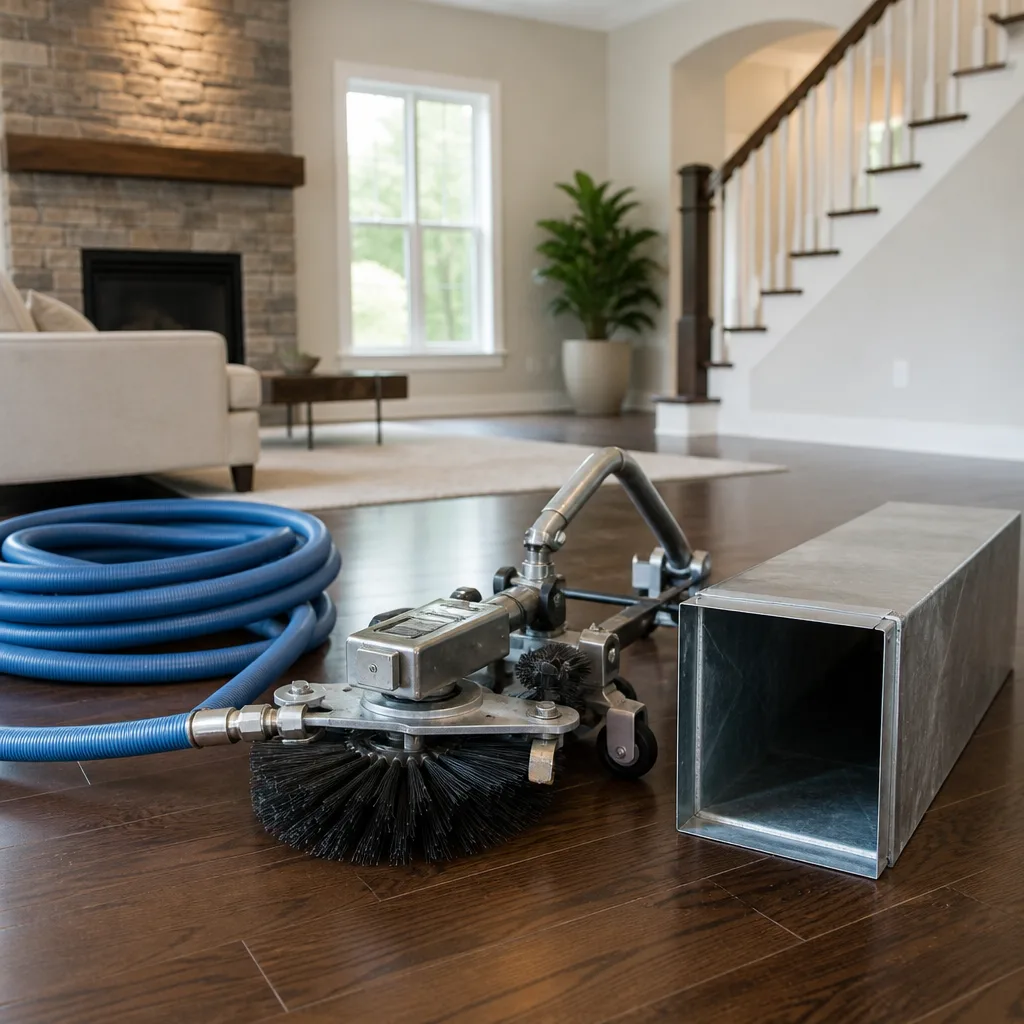 Whole-home duct cleaning
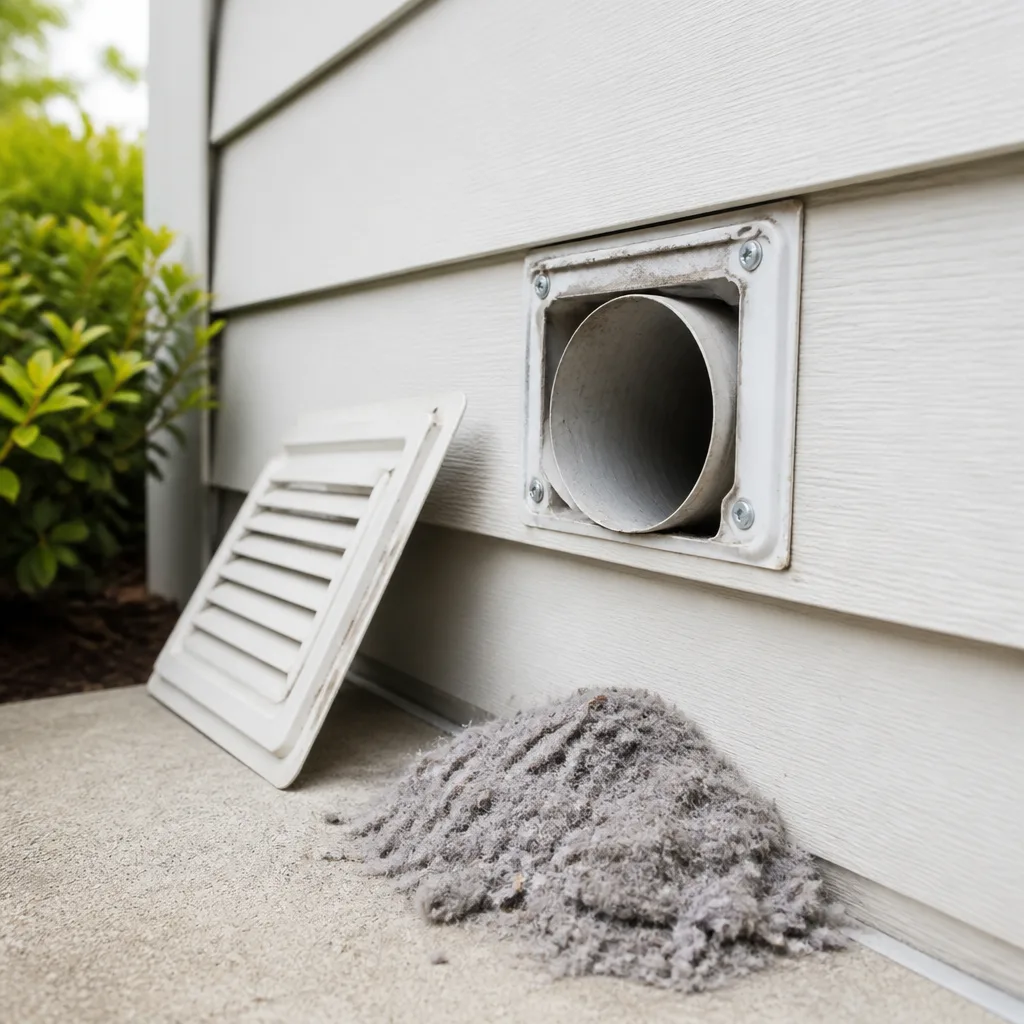 Dryer vent cleaning
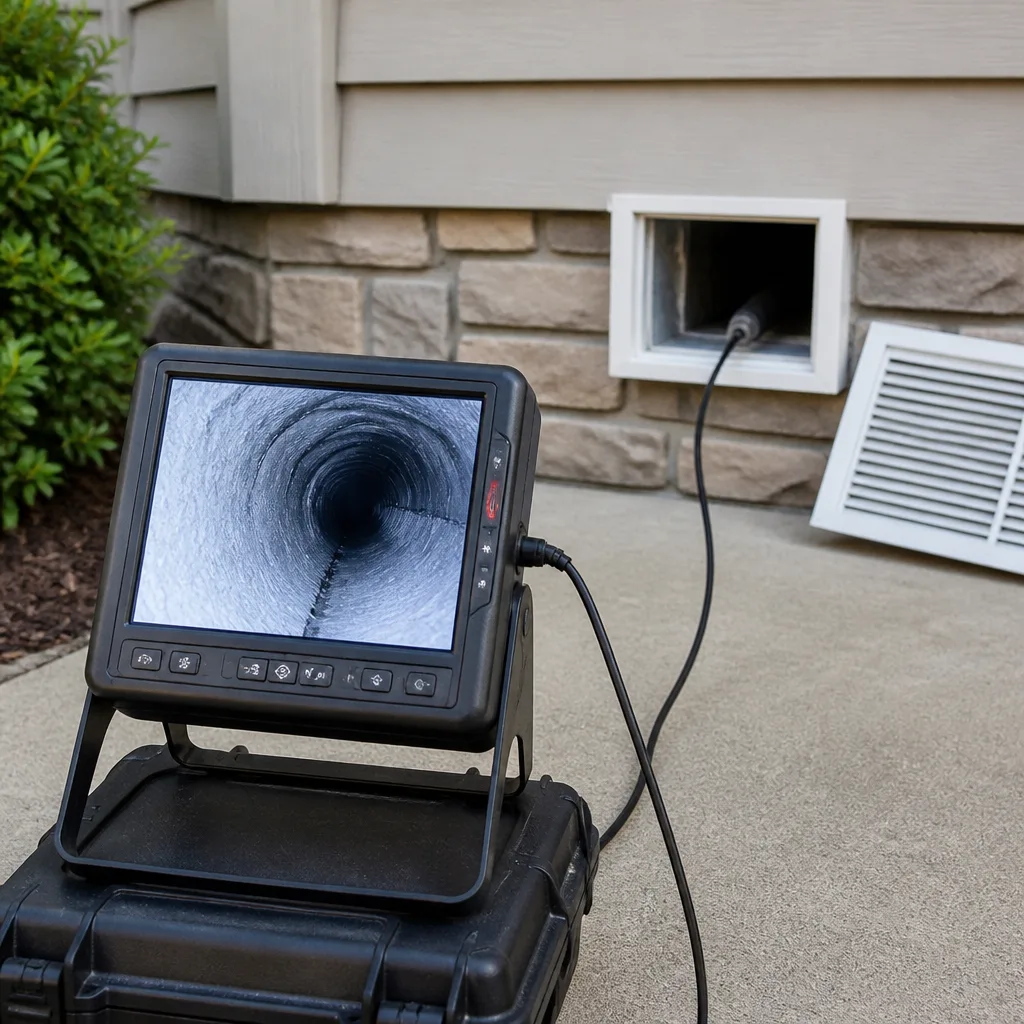 Camera inspection
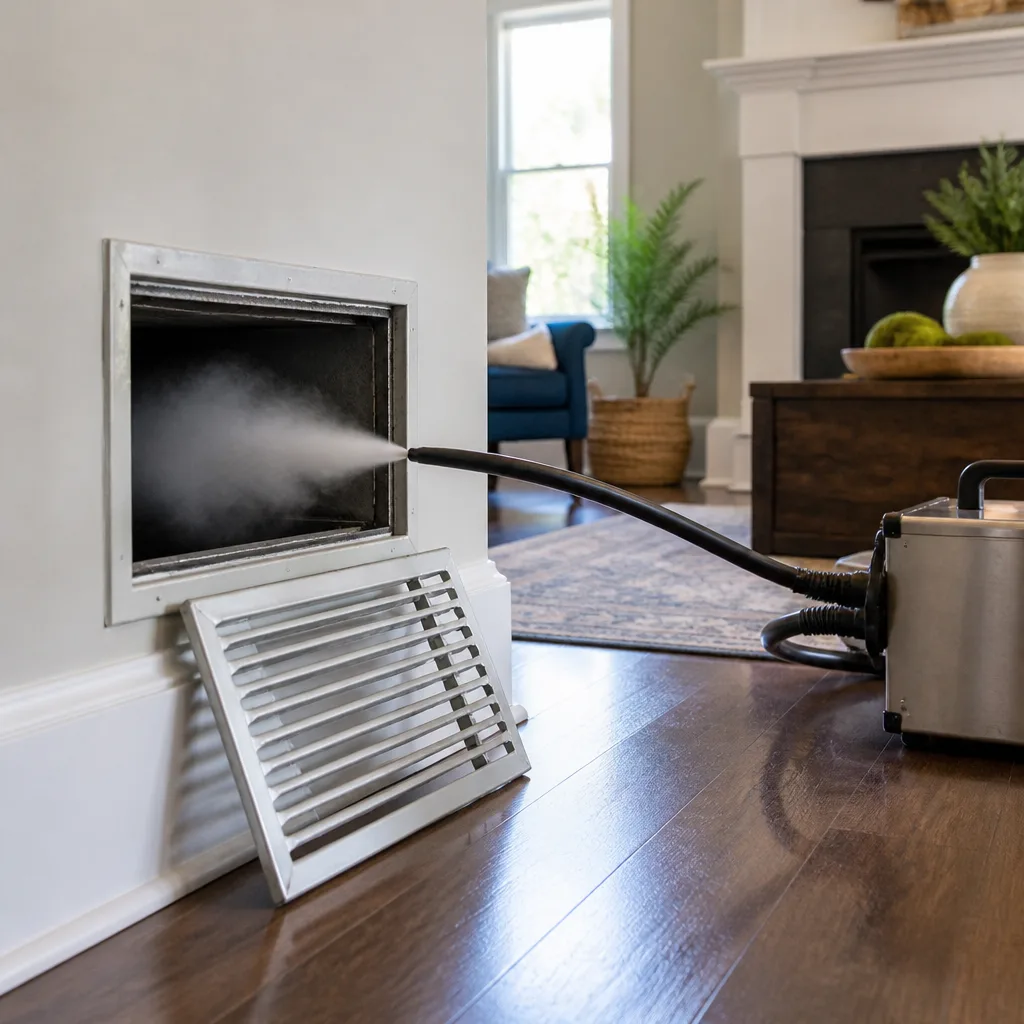 Sanitizing & deodorizing
Whole-system duct and dryer vent check with before-and-after photos - you see exactly what came out of your vents
That "$99 whole-house special" is a bait ad - the real number appears once they are in your hallway, or the "clean" is a shop-vac at the register. We photograph the inside of your ducts before and after instead.
The Complete Guide to Air Duct Cleaning in McAllen
Most “duct cleaning” services sold in the Rio Grande Valley were designed for homes in climates where the HVAC system sits idle for half the year. McAllen doesn’t work that way. Here, the air conditioner runs for most of the calendar, pulling Valley air through the same ductwork month after month, and that changes what a real cleaning job has to accomplish. This guide explains what full-system duct cleaning actually involves in McAllen, why humidity and fine particulate make the job different here, how professional equipment works, and how to verify the work before the technician packs up. If you’ve been quoted a suspiciously low price or watched a crew vacuum one vent and leave, this is the context you’re missing.
Quick Answer
Air duct cleaning in McAllen is a whole-system process: mechanical contact cleaning of every supply and return run, high-powered extraction with an industrial vacuum, and containment-grade air filtration running throughout so the cleaning doesn’t push dust back into your living space. It addresses the dust, humidity-driven buildup, and fine particulate that a short central-Texas HVAC idle season never lets clear out on its own. A proper job treats the supply ducts, return plenum, and air handler compartment as one connected system, not as isolated vents.
Styles & brands we work with
- Whole-home duct cleaning
- Dryer vent cleaning
- Camera inspection
- Sanitizing & deodorizing
Table of Contents
- Why Air Duct Cleaning Works Differently in McAllen
- How RGV Humidity Creates Buildup Inside Ductwork
- Contact Cleaning vs. Negative-Pressure Removal
- Supply, Return, and Air Handler: One Connected System
- What to Expect During a Full-System Clean
- The Equipment That Makes the Difference
- How to Verify the Job Was Done Right
- The Dryer Vent Connection
Why Air Duct Cleaning Works Differently in McAllen
McAllen homes run their HVAC systems for the better part of the year. Where a northern home might give its ducts five or six months of rest, a McAllen system keeps circulating air almost continuously through spring, summer, fall, and most of winter. That single fact reshapes everything about duct maintenance.
Air circulating constantly moves dust constantly. And the dust in this part of the Rio Grande Valley carries something a lot of homeowners don’t think about: caliche. That fine, pale, calcium-rich soil dust blows in from surrounding ranch land and construction sites. It’s abrasive, it’s powdery, and it settles everywhere. Inside ductwork, it accumulates in the corners and on the interior walls of the runs, where the airflow slows and lets particles drop.
Add sustained humidity to the mix. Valley air holds moisture most of the year, and that moisture rides along with the circulating air. When fine caliche dust and airborne moisture meet on a cool duct surface, they don’t just sit there separately. They create the conditions for biological growth, and they give particles something sticky to cling to.
The practical takeaway: a system in McAllen is under a different kind of load than its national-average counterpart. It gets no real off-season. The buildup accumulates faster, and it doesn’t clear itself. That’s the reason a genuine full-system clean, done with the right equipment, matters more here than a quick surface pass at the vents.
How RGV Humidity Creates Buildup Inside Ductwork
Sustained humidity does something to ductwork that dry-climate cleaning methods simply don’t account for. It creates layering. That layering is where most standard cleaning services fall short in McAllen.
It works like this. Airborne dust and particulate settle on the interior wall of a duct. Moisture in the air softens the deposit and lets the next layer of dust bond to it. The layer below may stay slightly damp, feeding the growth of a biofilm, a thin film of biological material that clings to surfaces. Over months of continuous airflow, these layers stack up. The result is a coating that has some give to it, that clings to the metal, and that a fast central vacuum pass won’t dislodge.
That biofilm layer is also where musty odors come from. Homeowners in McAllen often describe a faint, damp smell when the AC kicks on, and it’s not the air outside or the filter. It’s the duct surfaces themselves. Standard cleaning that only pulls air through the system can move loose dust but leaves the adhered layer behind.
Addressing this is a mechanical problem, not an air-movement problem. The interior wall of the duct has to be physically contacted and agitated to break the bond, and the freed material then has to be captured and extracted under suction. That’s why the choice of method matters so much in a humid climate. A cleaning that would pass in a dry market doesn’t pass in McAllen.
Contact Cleaning vs. Negative-Pressure Removal
There are two broad approaches to duct cleaning, and understanding the difference is the single most useful piece of knowledge for a McAllen homeowner shopping around. Some operators use one. A serious job often uses both.
Negative-Pressure Source Removal
This method relies on a powerful industrial vacuum connected to the duct system to create strong negative pressure. A large extraction unit pulls air and dislodged material out of the ducts and captures it in a filtration system. On its own, negative pressure is excellent at evacuating loose debris and preventing dust from escaping into the home. But it only removes what it can pull, which means it struggles with the adhered, humidified layers described above.
Contact Cleaning
Contact cleaning uses rotating brush systems that physically scrub the interior walls of the ductwork. The mechanical agitation breaks the bond between the deposit and the metal, and the loosened material is then captured by the extraction vacuum running at the same time. This is the method that addresses biofilm layering and caliche buildup.
When Each Is Appropriate
- Light maintenance or lightly soiled systems: negative-pressure extraction alone can be adequate if the ducts are genuinely clean-load.
- Long-term buildup, humid climates, visible dust from vents: contact cleaning combined with extraction, run in sequence.
- After renovation or construction near caliche soil: contact cleaning plus strong extraction, because fine particulate gets pushed deep into the runs.
- Whole-system service in McAllen: the combination, across all supply and return runs, under containment filtration.
The bottom line: a single method isn’t the answer. The right job matches the method to the condition of the ductwork, and in most McAllen homes that means both.
Supply, Return, and Air Handler: One Connected System
This is where a lot of duct cleaning services cut corners without the homeowner ever knowing. Treating the system as a set of separate vents instead of one connected circuit leaves the worst buildup untouched.
Your HVAC system is a loop. The air handler (the indoor unit with the blower and coil) pulls household air through the return ductwork and return plenum, conditions it, and pushes it back out through the supply ducts into each room. Every part of that loop is in contact with the same airstream. If you clean only the supply registers and skip the return side, the return plenum keeps re-contaminating everything downstream.
- The return plenum: the large trunk that feeds air to the air handler. It collects a disproportionate share of dust because it’s the first stop, and it’s frequently ignored.
- The air handler compartment: the blower and coil sit here. Dust coats the blower blades, which reduces airflow and efficiency, and can collect on the evaporator coil where condensation keeps it damp.
- The supply ducts: the runs that distribute conditioned air to each room. Cleaned in isolation, they get re-soiled the moment the return side is left dirty.
In our experience, the most common incomplete job in McAllen cleans the supply registers and stops there. The right approach treats the whole loop as one system and cleans each part in the right order. Cleaning the supply side before the return side is done is backwards; it just means re-contaminating clean ducts. Air Duct Repair also belongs in this picture, because a leaking or disconnected duct that’s been cleaned will pull in attic dust and outside air until the leak is sealed.
What to Expect During a Full-System Clean
Understanding the stage-by-stage flow of a proper service in McAllen helps you know whether the technician is doing the work or just showing up. A full-system clean follows a deliberate sequence, and the order matters.
- Inspection and system mapping. The technician inspects the ductwork, counts the supply and return runs, checks the air handler, and notes condition before any cleaning begins. This is where leaks or disconnected ducts get flagged.
- Containment setup. Abatement Technologies air filtration is set up to capture airborne particulate in the work area, so the cleaning process itself doesn’t re-contaminate the living space. This is a remediation-grade standard, and it’s rare in routine residential work.
- Vacuum connection and negative pressure. Industrial extraction is connected to the system to establish airflow and suction, setting up the capture path for debris.
- Contact cleaning of the supply runs. Each supply run is cleaned with rotating brush equipment, agitating the interior walls while extraction captures the loosened material.
- Return plenum and air handler cleaning. The return side and the air handler compartment are contacted and cleaned next, completing the loop.
- Debris extraction and final vacuum pass. The whole system gets a final extraction pass to clear dislodged material, and containment filtration keeps running throughout.
- Verification and photo documentation. Before the technician leaves, the work is checked, and before-and-after photos of the duct interiors are captured so the homeowner has a verifiable record of the result.
Time on site depends on the number of runs, the system configuration, and the level of buildup. A modest system with light soiling is quicker; a larger home with a long-neglected system in a humid McAllen neighborhood can take considerably longer. Expect a genuine full-system job to take hours, not minutes. A crew that claims to have done a complete clean in under an hour is telling you exactly what kind of job they performed.
The Equipment That Makes the Difference
The equipment determines what the job can actually accomplish. Industrial equipment used on a residential system is the difference between cleaning and vacuuming.
Contact cleaning here is done with Rotobrush systems, a professional platform favored by commercial and industrial HVAC contractors for the way it agitates and cleans interior duct walls. Extraction runs on Nikro industrial HVAC vacuums, which provide the high-powered suction needed to capture debris rather than stir it up. Used together, these deliver both the mechanical agitation and the strong extraction that a humid-environment job requires.
Containment-grade filtration is where skill meets standard of care. Abatement Technologies air filtration is deployed during the service to keep airborne particulate contained and keep the cleaning process from degrading indoor air quality. In our work, this is a non-negotiable piece of the job, and it’s what separates a service that protects your air from one that just moves the dust around. The system also has to integrate with the air quality equipment you already own. We work with Honeywell and Aprilaire whole-home air quality systems, so cleaning isn’t done in isolation from the humidification, filtration, or air-quality controls the home depends on. Guardsman protective treatments are also available as part of the service scope for homeowners who want that added layer.
The principle is simple: name the tools and use them correctly. Vague claims about “powerful equipment” mean nothing. Rotobrush contact cleaning and Nikro extraction, run alongside Abatement filtration, are what make the job verifiable.
How to Verify the Job Was Done Right
You shouldn’t have to take the technician’s word for it. A few concrete checks protect you from one of the industry’s oldest shortcuts.
- Before-and-after photos. Ask for photos of the duct interiors, not just the grilles. Any reputable service documents the actual work.
- Count the runs cleaned against the runs in the home. Every supply and return should be accounted for. Confirm the return plenum and air handler were included.
- Watch for re-contamination evidence. A clean job leaves the home’s living space no dirtier than it started, because containment filtration was running. If dust is settling on furniture after the crew leaves, something went wrong.
- Confirm the tools actually used. Ask directly whether contact cleaning and industrial extraction were both used. Both matter, and the technician should be able to tell you what happened at each stage.
- Check that damaged ducts were flagged. A leaking or disconnected run has to be repaired, not just cleaned. Ask what condition the ductwork was found in.
If a technician can’t answer these questions or won’t show photos, that tells you more than a low price ever will. Our approach is to document the work and to fix ducts at the source with air duct repair rather than clean around a problem. A written estimate agreed before work starts is part of that same accountability, and it’s why we quote per system rather than per vent.
The Dryer Vent Connection
Dryer vent cleaning is a fire-safety service first. The lint that accumulates in a dryer vent is highly flammable, and a restricted vent is one of the leading causes of residential fires. The safety issue, not just air flow, is the reason this service matters.
In McAllen homes, the dryer vent is often overlooked because it’s tucked into a wall or under a raised foundation. If you notice clothes taking longer to dry, a hot dryer surface, or a vent that barely expels air, the vent may be restricted. Dryer vent cleaning clears the lint buildup and restores airflow, and it’s a service worth scheduling on its own or alongside your ducts. It also fits the same full-system thinking: if the ductwork brings air into the home, the dryer vent needs to move air out efficiently and safely.
Common Mistakes to Avoid
- Choosing a service by price alone. A deep discount usually pairs with a quick pass at the grilles and none of the interior work. In McAllen’s climate, a surface job leaves the actual buildup untouched.
- Skipping the return plenum. Cleaning supply ducts but leaving the return dirty means re-contaminating everything. Insist the return side is included.
- Accepting no documentation. If the service won’t show before-and-after photos of the ducts, you have no way to know the work was done. Ask for the evidence.
- Ignoring leaking or disconnected ducts. Cleaning a leaking duct without repairing it means attic air and dust get pulled straight back into the system. Cleaning alone ignores the source of the problem.
- Assuming dry-climate methods work here. A cleaning method built for a climate with a long HVAC idle season doesn’t address the humidity-driven layering that McAllen produces. Ask what method is used and why.
- Forgetting the dryer vent. Treating dryer vent cleaning as cosmetic skips a genuine fire-safety check. The lint in the vent is a real hazard, not just an airflow issue.
- Overlooking air quality equipment. If you have a Honeywell or Aprilaire system, a cleaning that ignores it can leave the two out of sync. Ask how the service integrates with the equipment you own.
See the difference
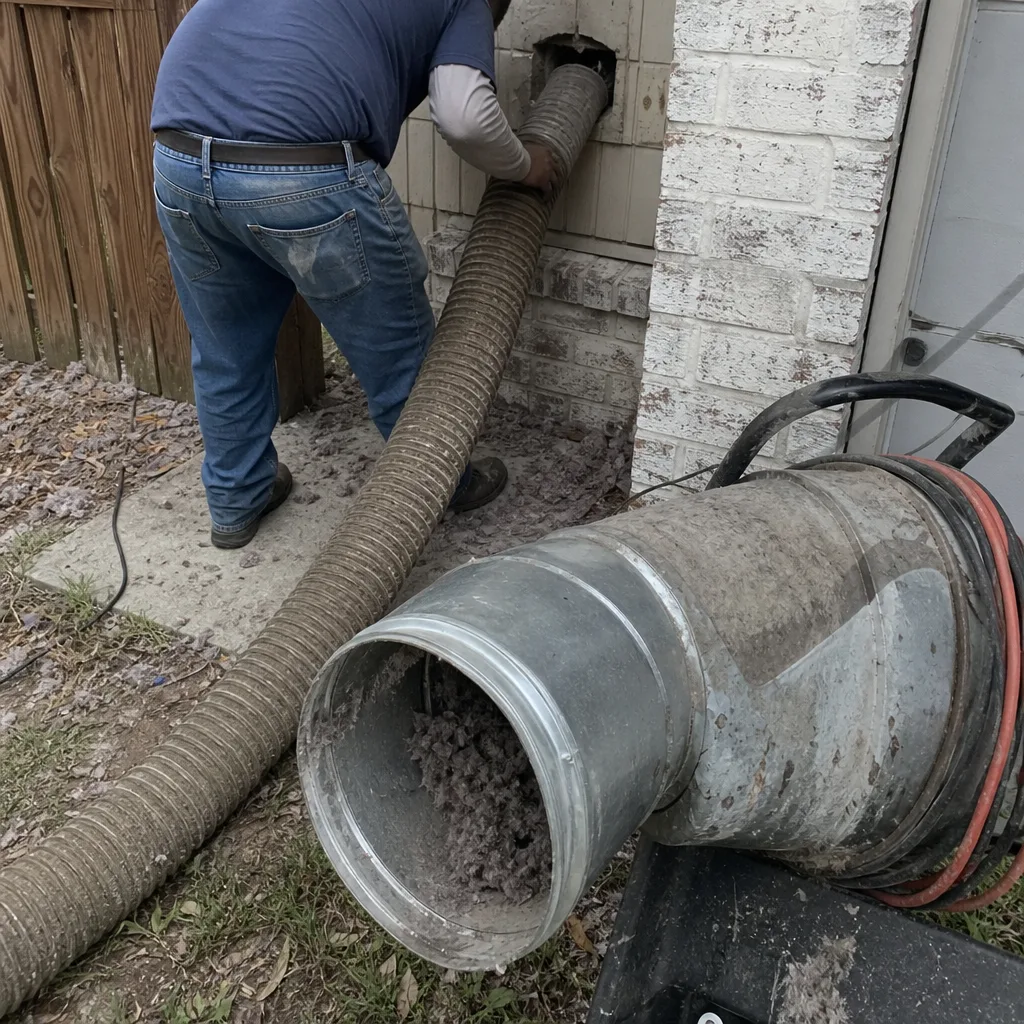 Before
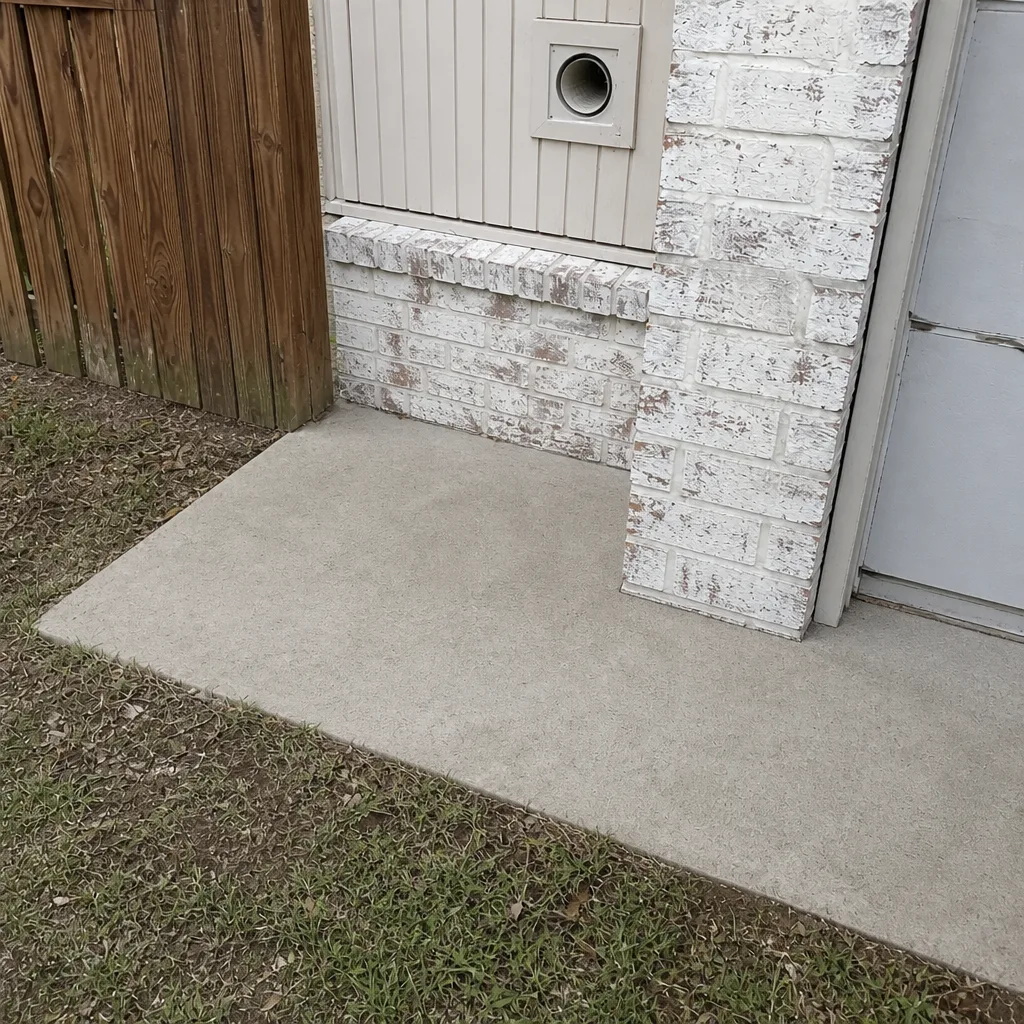 After
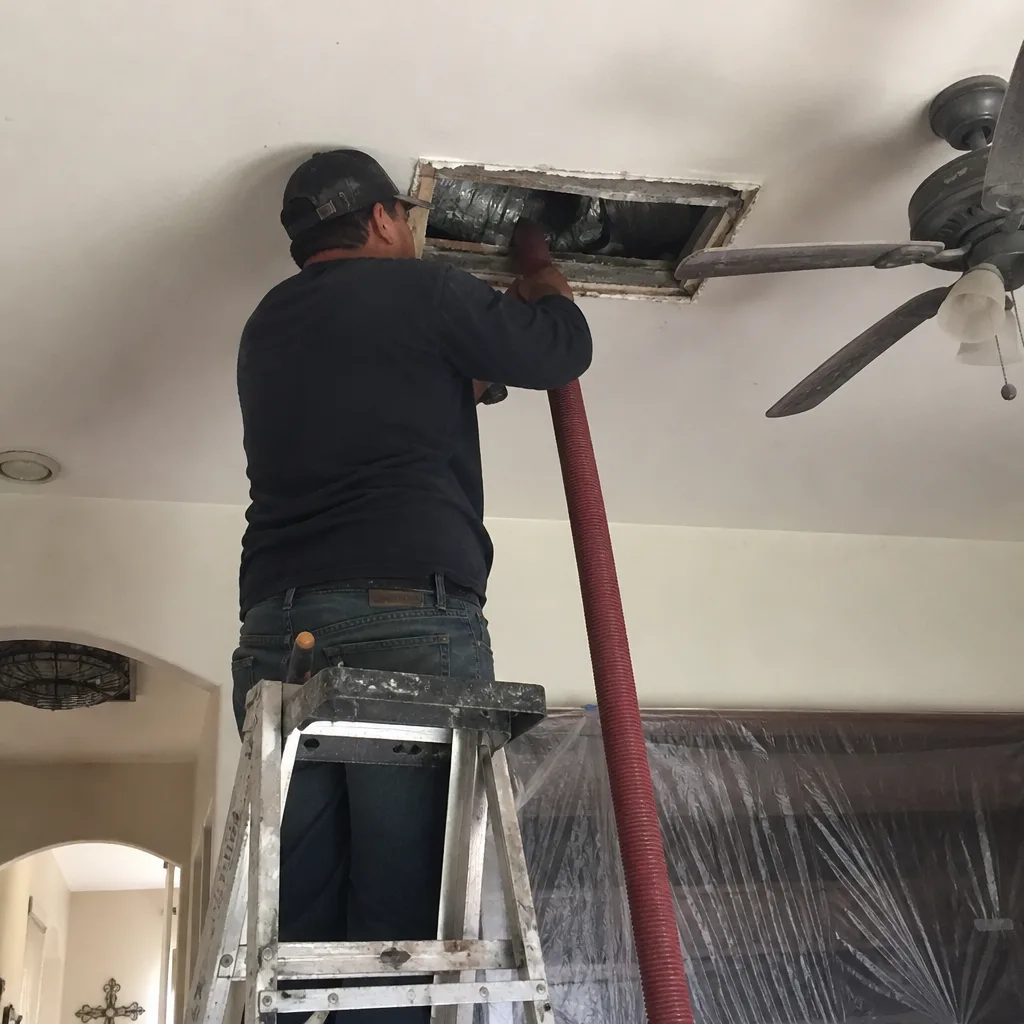 Before
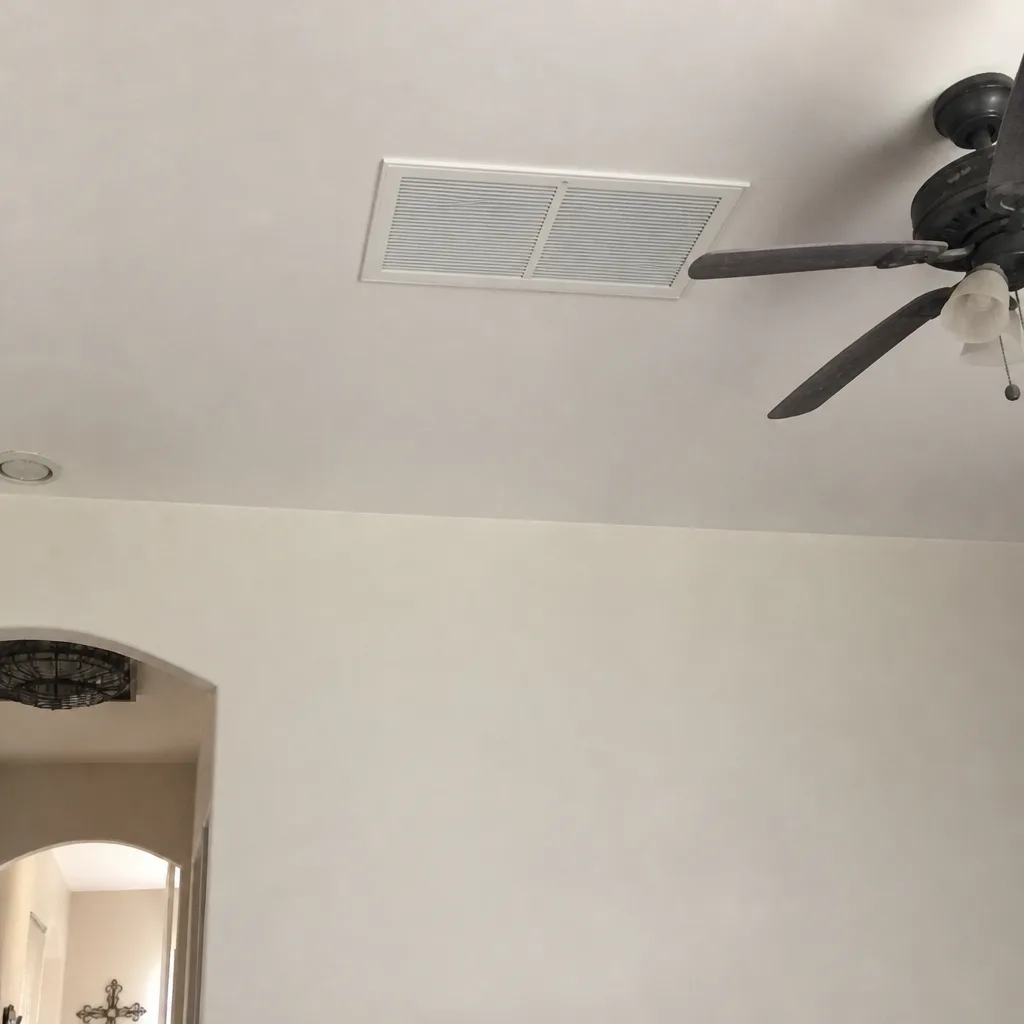 After
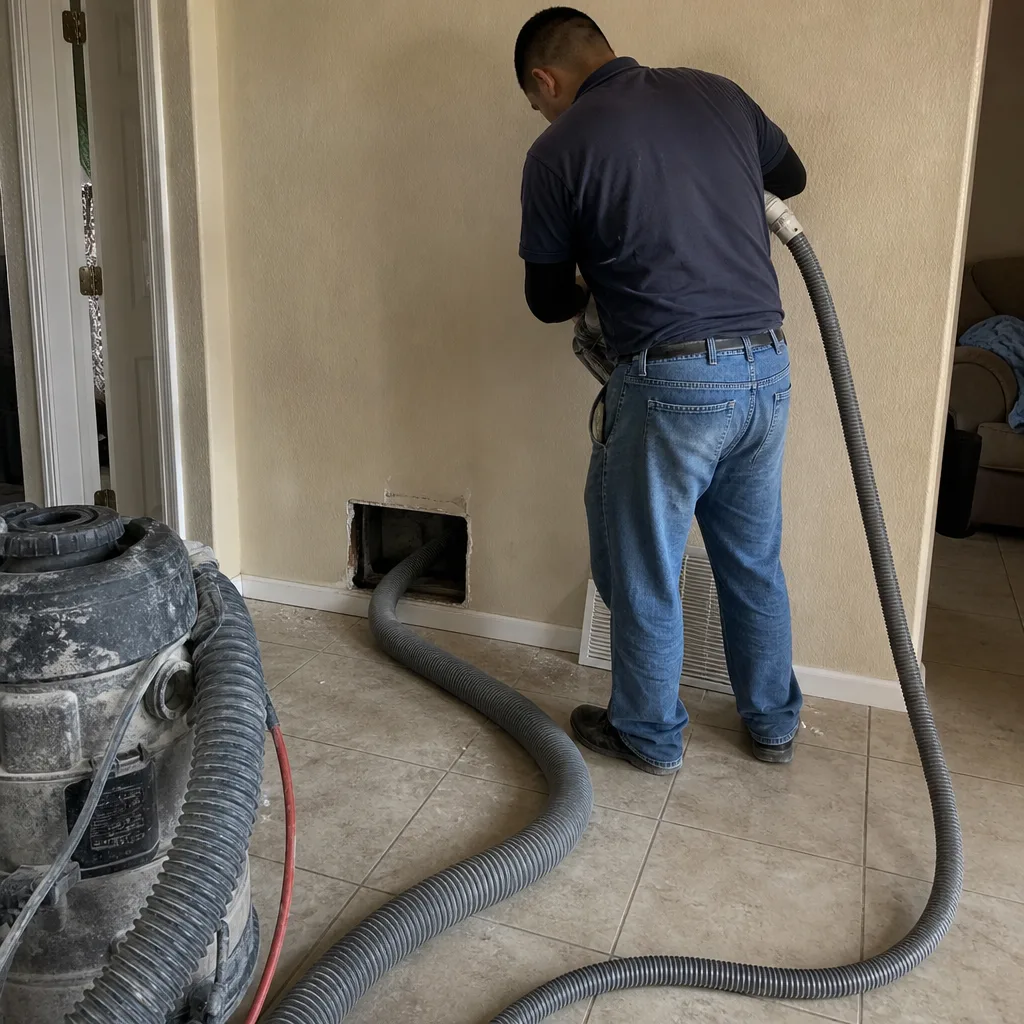 Before
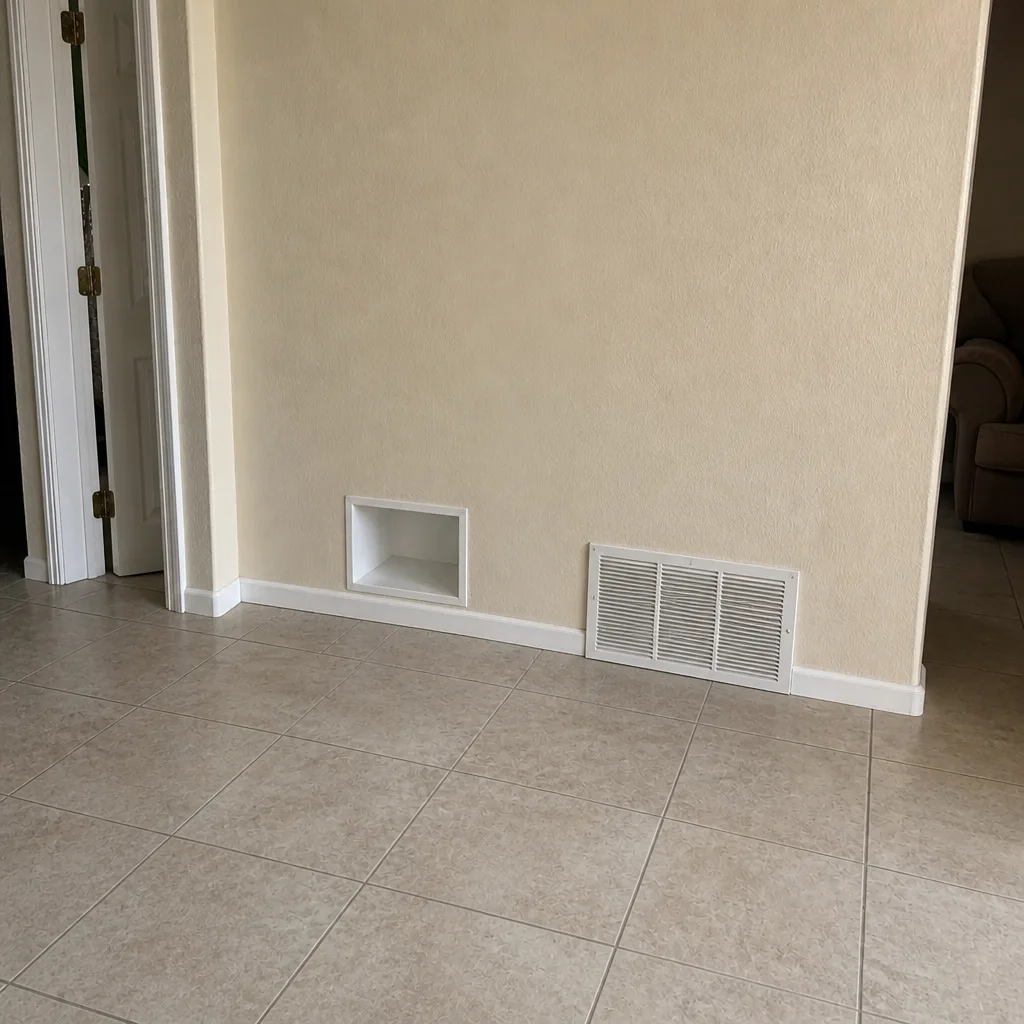 After
When to Call a Professional
Some signs of duct problems are obvious; others are easy to dismiss. Call a professional if you notice visible dust puffing from the vents when the system starts, persistent musty odors when the AC runs, or allergy symptoms that flare up indoors. A noticeable drop in airflow, rooms that never seem to cool evenly, or a dryer that takes longer than it should all point to a system that needs attention. In McAllen, where the HVAC runs nearly year-round, these signs build up faster than most homeowners expect.
For the full-system version of this work, Duct Cleaning McAllen offers free estimates in McAllen. Call (888) 971-5813 to schedule an inspection, and you’ll know exactly what’s involved before anything begins. If your ducts turn out to need more than cleaning, air duct repair is part of the same service, and the estimate sets the price before work starts. You can also learn more about what air duct cleaning covers on our dedicated page.
Frequently Asked Questions
Because systems here run most of the year, most McAllen homes benefit from a full-system clean roughly every three to five years, sooner if you’ve had recent renovation, notice buildup at the vents, or have pets or allergy concerns. Continuous airflow means faster accumulation than in seasonal climates, so the interval matters more here than the national average. Call (888) 971-5813 for an exact quote and to talk through your home’s condition. Estimates are free.
Pricing depends on the number of supply and return runs, system configuration, and level of buildup, so we quote per system rather than per vent. That quote is agreed in writing before any work starts, which protects you from the low-teaser-to-large-invoice problem common in this industry. Call (888) 971-5813 for an exact quote. Estimates are free.
Cheap quotes usually reflect a short visit that vacuums the grilles or runs a single air-movement pass, leaving the adhered buildup and the return side untouched. Contact cleaning, industrial extraction, and containment filtration all take real time, and a cut-rate job typically skips at least one of them. Ask any service what equipment they use and whether the return plenum is included. Call (888) 971-5813 for a free estimate.
Ask for before-and-after photos of the duct interiors and confirm which runs were cleaned and whether the return plenum and air handler were included. A documented job gives you a real record, not a verbal assurance. If the service can’t show you the work, you have no way to verify it. Call (888) 971-5813 to schedule a documented, verifiable clean. Estimates are free.
Yes, that’s exactly what containment-grade air filtration is for. We run Abatement Technologies filtration during the service, so the cleaning process captures airborne particulate rather than releasing it into your living space. The extraction vacuum is connected and running before any contact cleaning begins, so debris is captured as it’s dislodged. This is a remediation-grade standard that’s rare in routine residential work. Call (888) 971-5813 for a free estimate.
Yes, we offer dryer vent cleaning as part of a full duct-system service. Dryer lint is one of the leading causes of residential fires, so clearing the vent is a safety service, not just a comfort one. If your dryer runs hot or takes longer to dry clothes, the vent may be restricted. Call (888) 971-5813 for a free estimate.
Cleaning a damaged duct without repairing it means it will keep pulling in attic dust and outside air until the leak is sealed. That’s why we offer air duct repair alongside cleaning, so the whole system is addressed at the source. The technician flags ductwork condition during inspection and includes any repair in the estimate. Call (888) 971-5813 to book an inspection. Estimates are free.
The Bottom Line
Air duct cleaning in McAllen isn’t a generic service run in a generic climate. The system here runs almost continuously, and the dust it pulls in is fine caliche particulate carried on humid air. That combination builds up adhered layers that a short vacuum pass can’t address. The right job uses contact cleaning plus industrial extraction, run under containment filtration, across the supply ducts, return plenum, and air handler as one connected loop. It’s documented with before-and-after photos and priced per system before work begins. Call (888) 971-5813. We answer 24/7. Fast dispatch from 7am to 7pm, Sunday through Friday. Estimates are free, and our technicians have up to 12 years of experience.
To learn more about who we are and where we work, visit our Duct Cleaning McAllen home page or our McAllen location page.
Written by the team at Duct Cleaning McAllen.