
Last updated November 15, 2026
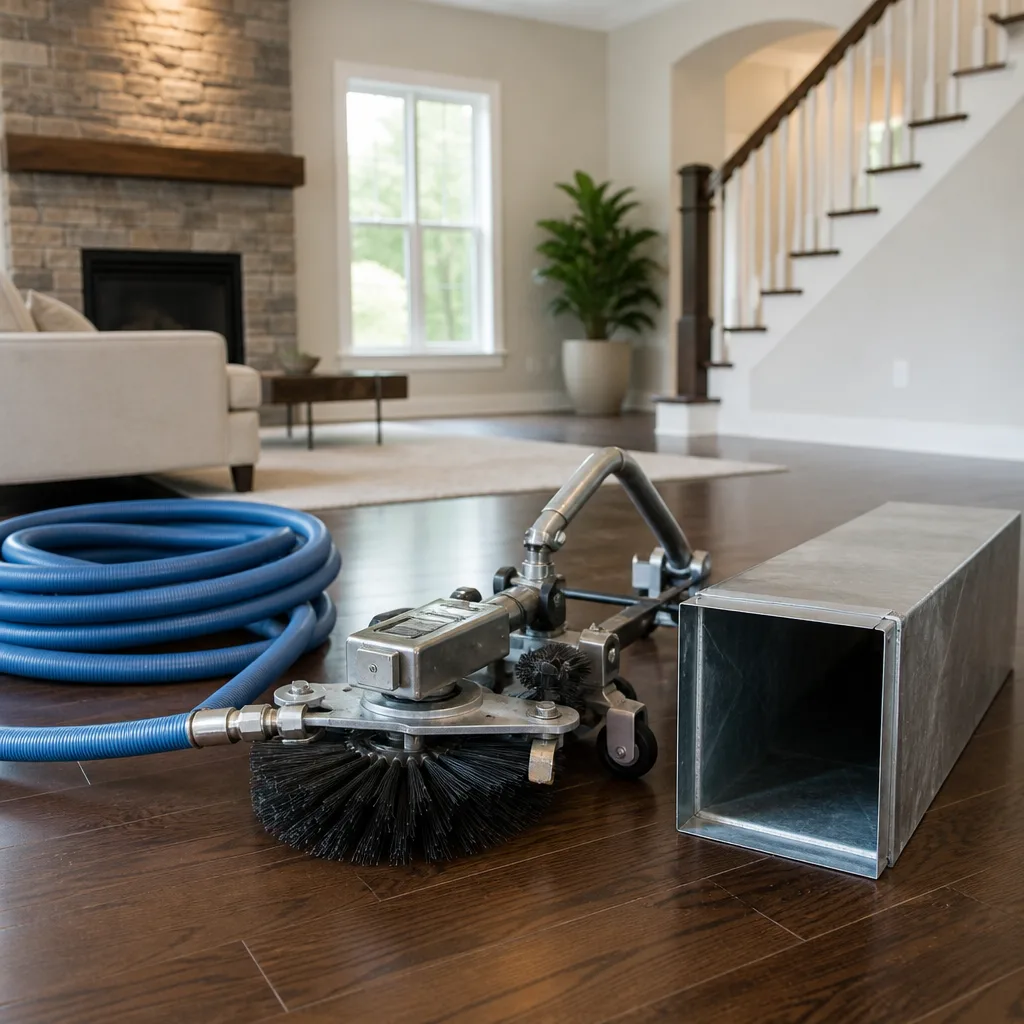 Whole-home duct cleaning
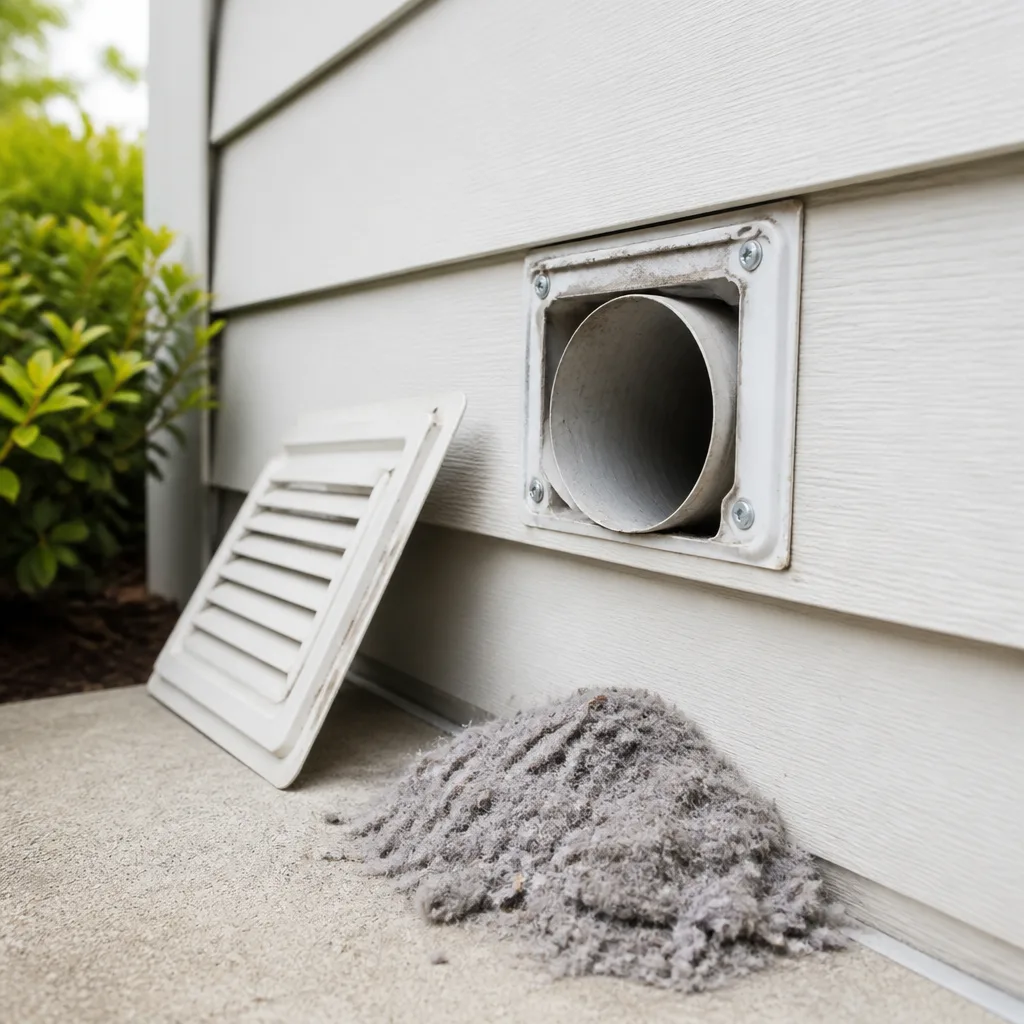 Dryer vent cleaning
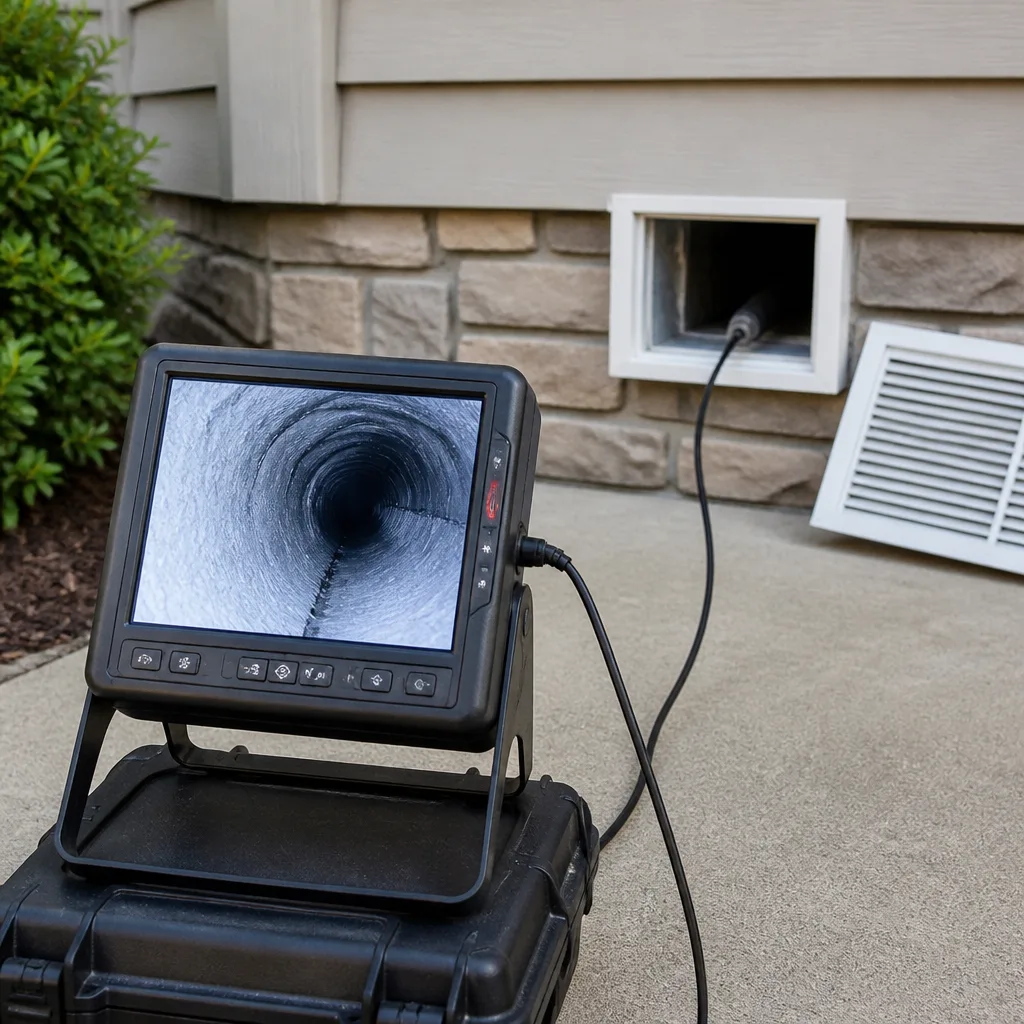 Camera inspection
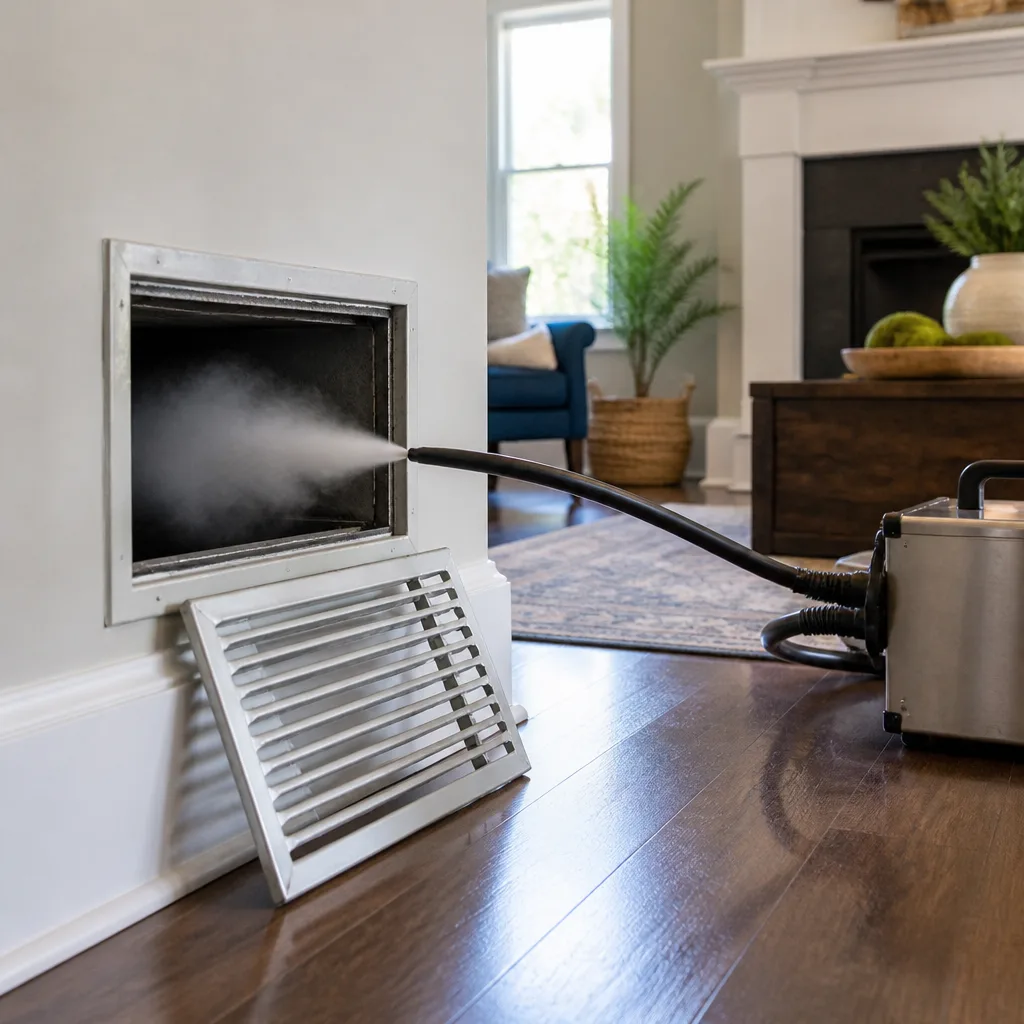 Sanitizing & deodorizing
Whole-system duct and dryer vent check with before-and-after photos - you see exactly what came out of your vents
That "$99 whole-house special" is a bait ad - the real number appears once they are in your hallway, or the "clean" is a shop-vac at the register. We photograph the inside of your ducts before and after instead.
Air Duct Cleaning Troubleshooting in McAllen: Common Problems and How to Fix Them
If your ducts were cleaned 18 months ago and the musty smell is already back, the cleaning didn’t fail – the diagnosis did. Something upstream was missed. Most duct trouble in McAllen homes isn’t random. It follows predictable patterns tied to the humidity that hangs over the Rio Grande Valley, the slab foundations most houses here sit on, and the aging flex duct tucked into attics that have baked through a few too many summers. This guide gives you a technician-style framework for figuring out whether the root cause of your problem is biological, mechanical, or airflow-related – before you pay anyone for a full inspection.
Quick Answer
Most recurring duct problems in McAllen trace back to one of three root causes: trapped moisture feeding biological growth, a mechanical failure like a disconnected or collapsed duct run, or an airflow imbalance between rooms. Cleaning alone only fixes the symptom. The reliable path is to identify which of the three you’re dealing with first – often with a simple tissue test and a smell check – then choose the right fix: antimicrobial treatment, a targeted repair, or full duct replacement. A proper cleaning that follows a real diagnosis is what keeps the problem from coming back.
Styles & brands we work with
- Whole-home duct cleaning
- Dryer vent cleaning
- Camera inspection
- Sanitizing & deodorizing
Table of Contents
- How Do You Tell Mold Odor From Other Duct Smells?
- Why Do McAllen Slab Foundations Cause Duct Condensation?
- The Tissue Test: Find a Collapsed Duct Before You Pay for an Inspection
- What Do Uneven Room Temperatures Actually Mean?
- Antimicrobial, Repair, or Replacement: How to Tell the Difference
- Why Does Dust Keep Coming Back After a Cleaning?
- Understanding Your Dryer Vent as a Separate Safety System
- Common Mistakes to Avoid
How Do You Tell Mold Odor From Other Duct Smells?
Direct answer: Mold smells earthy and damp, like a wet basement or old newspaper. Dead pest odor is dry and sharp, closer to decayed organic matter. VOC off-gassing smells like new plastic, paint, or chemical solvent. Each points to a different fix, and treating one as another is the single most common reason a cleaning doesn’t hold.
Your nose is a legitimate diagnostic tool, but only if you read it accurately. Here’s how we break the three apart, and what each actually means for the ducts.
The three smell categories and what they tell you
- Earthly and damp (mold or mildew): Points to moisture collected somewhere in the duct run – often a flex line in a humid attic or a vaulted-ceiling cavity. Cleaning without finding the moisture source is a temporary fix at best.
- Dry, sharp, organic decay (dead pest or rodent): Usually a carcass, droppings, or nesting material in a duct, at a floor register, or in the return plenum. This needs source removal, not masking.
- Chemical or new-plastic (VOC off-gassing): Common after new construction, a flooring install, or fresh ductwork. It fades over weeks to months. Off-gassing isn’t a dirt problem and won’t improve with a cleaning.
McAllen’s humid summers amplify the first category. When an unconditioned attic holds relative humidity high for months, a section of ductwork that stays slightly cooler than the air around it becomes a condensation surface, and mold spores already present in outdoor air settle there. By the time the smell reaches a bedroom register, it’s been growing for a season or longer.
If the smell is earthy and returns within a few months of a cleaning, or if you see any visible spotting at a register, take that as a sign the moisture source is still live. Mechanical cleaning is the starting point, but the fix usually requires identifying the condensation surface and treating it – often a targeted antimicrobial application as part of a full air duct cleaning pass, not a standalone service call.
Why Do McAllen Slab Foundations Cause Duct Condensation?
Direct answer: Slab foundations in McAllen put supply ducts close to concrete that stays relatively cool and damp, and that contrast in temperature creates the exact conditions where condensation forms inside the duct run. Flex duct is especially vulnerable because its insulation jacket loses effectiveness when it’s pinched, sagging, or exposed in a hot attic.
Most homes built in McAllen from the 1970s through the 2000s use either slab-embedded duct chases or flex runs in the attic. Both layouts create condensation points where cool air meets a surface that’s holding a different temperature. The slab-embedded channel is the quieter problem – it’s out of sight, and it can sit at a slightly lower temperature than the surrounding conditioned air, so moisture forms on the interior wall of the duct chase rather than the exterior insulation.
Where the condensation actually happens
- At the transition from the air handler to the first flex run. The flex collar and the plenum meet there, and if the tape has aged or the collar isn’t sealed well, warm attic air leaks in.
- In long horizontal attic runs that sag between hangers. The low point of a sagging line becomes a mini pool after a few humid weeks.
- At slab duct entries where the register boot meets the slab. Warm air entering the boot condenses against the cool slab surface.
- Inside the return chase. Return ducts draw warm house air back through unconditioned space, and any gap in the chase lets humid air in overnight.
In our experience working on McAllen homes, the sag problem shows up most often in attics that have had a prior HVAC swap where the flex runs were added quickly rather than strapped correctly. The ducts work harder than you think, and every sag point is a place where the story of “we cleaned it last year and it’s already back” starts. If you notice a musty smell after a long stretch of humid weather and it fades during a dry spell, that pattern points straight to a condensation point rather than a dirt problem.
The Tissue Test: Find a Collapsed Duct Before You Pay for an Inspection
Direct answer: The tissue test is a simple homeowner check for airflow at each register. Hold a single-ply tissue near the grille of a running supply register – if it doesn’t move or lifts only faintly, that run has restricted or zero airflow. Repeat at every register and compare results. A register with almost no flow next to others that are strong is a strong sign of a collapsed, disconnected, or blocked duct run.
How to run the test properly
- Turn the system on and let it run for 10 minutes. You want stable airflow, not the initial burst.
- Hold a tissue at each supply register about an inch from the grille. Note whether it flutters hard, moves weakly, or doesn’t move at all.
- Repeat at each return. Returns should pull the tissue toward the grille. Weak returns often mean a restricted filter or a collapsed trunk.
- Map the results on paper. Write the register location and a number from 0 to 3 for airflow strength. Rooms that score 0 or 1 are the candidates for investigation.
- Compare to room temperature. A room with strong airflow that’s still warm points to a different problem than a room with weak airflow.
A smoke pencil is the technician’s version of the same test. It’s a small handheld pen that emits a thin, visible stream of vapor, and it shows direction of flow, not just presence or absence. At a register with weak tissue movement, a smoke pencil will confirm whether the airflow is reversed, which happens when a return-side leak is pulling air back through a supply run. This is a mechanical diagnosis, and it’s the correct one to do before paying for a full duct inspection – a professional with a borescope can go straight to the failed run instead of scanning the whole system.
Disconnected runs are common after attic work – a roofer, an electrician, or a pest company that crawled through the attic may have knocked a flex line off its collar. That’s a duct repair problem, and it belongs with a company that offers air duct repair alongside cleaning, so the collapse gets fixed rather than just cleaned around.
What a smoke pencil test looks like
- Weak push at the register, but the trunk feels cold and the system pressure seems normal: collapsed flex run.
- Strong airflow at one register, but no airflow at the next register on the same trunk: a disconnection between the two.
- Airflow reversed at a supply register: a return-side leak or a return duct that’s disconnected near the air handler.
- Uniformly weak airflow everywhere: often a filter problem, a blower issue, or a trunk that’s collapsed near the plenum.
What Do Uneven Room Temperatures Actually Mean?
Direct answer: Uneven room temperatures point to one of two levels: a duct-level problem (the air isn’t getting to the room efficiently) or an equipment-level problem (the system isn’t producing enough cold air to distribute). You can tell them apart by checking whether the problem room has strong or weak airflow at the register. Strong airflow but warm air means the problem is upstream in the equipment or the trunk. Weak airflow means the problem is in the branch duct serving that room.
McAllen homes built with long, west-facing bedroom wings often show a predictable pattern in July and August: the rooms closest to the air handler get the coldest air, and the rooms at the far end of the trunk trail by four to six degrees. This isn’t a coincidence of construction – it’s the difference between a properly sized trunk and one that was upsized for the original system but never balanced after a replacement.
How to distinguish duct-level unevenness from equipment-level
- Duct-level (branch or trunk): The register in the warm room has weak airflow compared to cooler rooms. The trunk may be leaking at a joint, or the branch run may be kinked or collapsed. A cleaning and repair pass with a professional set of tools will find it.
- Equipment-level: The register in the warm room has strong airflow but the air itself is only mildly cool. That points to a refrigerant, blower, or filter problem, and belongs with an HVAC contractor – not a duct service.
- Mixed: Some rooms warm and weak-airflow, some warm and strong-airflow. Clean and repair the ducts first, then re-evaluate the equipment if rooms are still uneven.
In our experience, homeowners call us first when the problem is actually at the equipment, and we tell them so rather than quote a cleaning they don’t need. Our scope is air duct cleaning, dryer vent cleaning, and air duct repair. When the issue is refrigerant or compressor, we point you to an HVAC specialist. That honesty is why the equipment-serious side of our work tends to come back to us when a duct problem later shows up.
Antimicrobial, Repair, or Replacement: How to Tell the Difference
Direct answer: Choose antimicrobial treatment when the duct structure is sound but moisture and biological growth are present. Choose mechanical repair when the structure is compromised – a collapsed run, a disconnected joint, a crushed flex line – but most of the ductwork is still solid. Choose full replacement only when the duct material has failed outright or the damage runs through enough of the system that patching it is throwing money at a losing fight.
The decision tree below is the one we walk through on an inspection, and it’s the one you should use to review any quote you receive from any company in McAllen.
The three-way decision, simplified
- Is the airflow at every register strong and steady when the system runs? If yes, the structure is probably intact. Move to step 2. If no, the problem is mechanical first – go to step 4.
- Is there a recurring musty or earthy smell, or visible spotting in a register or at the plenum? If yes, moisture is present. Cleaning plus a targeted antimicrobial treatment is the right scope, and the fix requires you to also address the moisture source (attic ventilation, flex insulation, or sealing a sagged run) or the growth returns.
- Is the smell absent, airflow is good, but dust keeps building up? The problem is filtration and air-sealing – a return leak, a filter grade too low, or a leak at the plenum. Cleaning plus repair of the leaks, plus upgrading the filter to a whole-home system you already have (Honeywell and Aprilaire both control this well), is the answer.
- Is the airflow weak at one or more registers? That’s a mechanical problem. A borescope pass locates it. If it’s a disconnected flex run or a kinked section, it’s repairable. If the trunk or multiple runs are crushed, wet, or failing, replacement of the affected section is the honest call.
One point worth flagging: “antimicrobial” is not a coating you want sprayed on the whole system without a moisture diagnosis. We deploy Abatement Technologies filtration during the cleaning process itself, which is a containment measure, not a treatment. The treatment is a separate step that goes on a clean, dry duct surface after the moisture source is corrected. If a company quotes microbial treatment without addressing the moisture, you’re paying for a cycle, not a fix.
Why Does Dust Keep Coming Back After a Cleaning?
Direct answer: Dust comes back after a cleaning when the source of new dust is outside the ducts. That’s usually a return-side leak that pulls attic or garage air into the system, a filter that’s too coarse to capture fine particles, or a gap at the plenum where the air handler draws unfiltered air. Cleaning that doesn’t address these entry points just resets the clock.
McAllen is dusty in its own way – the dry months bring wind-borne fine soil, and construction around the city keeps particulate levels in the air. Homes with a return duct in an attic or garage get the worst of it, because the return is literally drawing from the dustiest space in the building. Walk to your return grille on a windy day and you can often feel the pull.
Dust control beyond the cleaning
- Seal the return path. The return chase, the plenum collars, and the air handler access panel are the highest-value seal points. Even small gaps leak a lot of unfiltered air.
- Match the filter to the system. A high-MERV filter on an older blower can choke airflow, and a cheap filter lets fine dust through. We often recommend the homeowner check with their HVAC contractor for the right grade – Honeywell and Aprilaire systems are designed around specific filter grades, and getting that wrong is its own problem.
- Add a whole-home air cleaner if the ductwork supports it. Aprilaire and Honeywell both make cabinet-mounted air cleaners that filter at the plenum, which catches dust before it enters the ducts. That’s a meaningful upgrade, and it’s a different investment than a cleaning.
- Re-check the tissue test after cleaning. If airflow at every register was strong before the cleaning and is still strong after, and dust is returning within a few months, the source is the return path, not the ducts.
We use Rotobrush contact cleaning and Nikro extraction together because a mechanical brush pass alone doesn’t capture the fine particulate that builds on duct walls. The brush disturbs it, and the Nikro vacuum captures it. If a company shows up with only a vacuum truck and a hose, they’re doing the capture – they’re not doing the contact cleaning, and the walls of the duct stay coated. That’s why the dust comes back.
Understanding Your Dryer Vent as a Separate Safety System
Direct answer: The dryer vent is a separate duct system with a separate failure mode. Lint accumulation restricts airflow, overheats the dryer, and is a leading cause of residential fires. A duct cleaning that covers the HVAC system does not touch the dryer vent, and the dryer vent does not get fixed by a cleaning of the supply ducts.
In McAllen, dryers in laundry rooms off the garage often have long, straight runs that accumulate lint at the transition elbow and at the exterior flapper. A dryer that takes longer than one cycle to dry a load, feels hot to the touch on the cabinet, or leaves clothes slightly damp at the end of a cycle is showing the warning signs of restricted vent airflow.
Dryer vent cleaning is a fire-risk reduction service, not a cosmetic one. It’s the one part of home duct maintenance where the downside of skipping it is a fire, not a smell. If you’ve never had the vent cleaned and the dryer is more than a few years old, it belongs on the list. Read more about how we approach that work on our dryer vent cleaning page.
Common Mistakes to Avoid
- Treating every smell as a dirt problem. A dead pest in a duct and mold on a condensation surface look similar on a quote but require completely different fixes. Diagnose the smell type before you buy a cleaning.
- Paying for a cleaning without an airflow check. If the tissue test wasn’t done at every register before the quote, the collapsed run isn’t going to be found. You’re buying a cleaning, not a diagnosis.
- Choosing the lowest quote on a system with a known airflow failure. A quick vacuum pass on a duct with a disconnected run does nothing for the failed run. The equipment matters more than the price when the problem is mechanical.
- Spraying antimicrobial on a system without fixing moisture. The growth comes back because the surface stays wet. A treated duct that’s still condensing is a cycle, not a repair.
- Assuming the duct cleaning will fix the airflow. A cleaning removes contamination. It does not repair collapsed flex, replace a crushed trunk, or rebalance a system that was never balanced. That’s a separate, mechanical job.
- Skipping the dryer vent because the ducts were cleaned. The HVAC ducts and the dryer vent are separate systems with separate risk profiles. Both belong on the maintenance list, and the dryer vent is the fire-risk one.
- Believing dust is a cleaning failure. If dust returns within months, the source is usually a return leak or the filter grade, not the cleaning. Fix the source and the duct work stays clean.
If you’re in one of McAllen’s older neighborhoods and your original duct installation is still in place, the flex runs and slab chases from that era are the ones we most often find showing the condensation and sag problems described above. Read more about the broader picture on our Duct Cleaning McAllen page.
See the difference
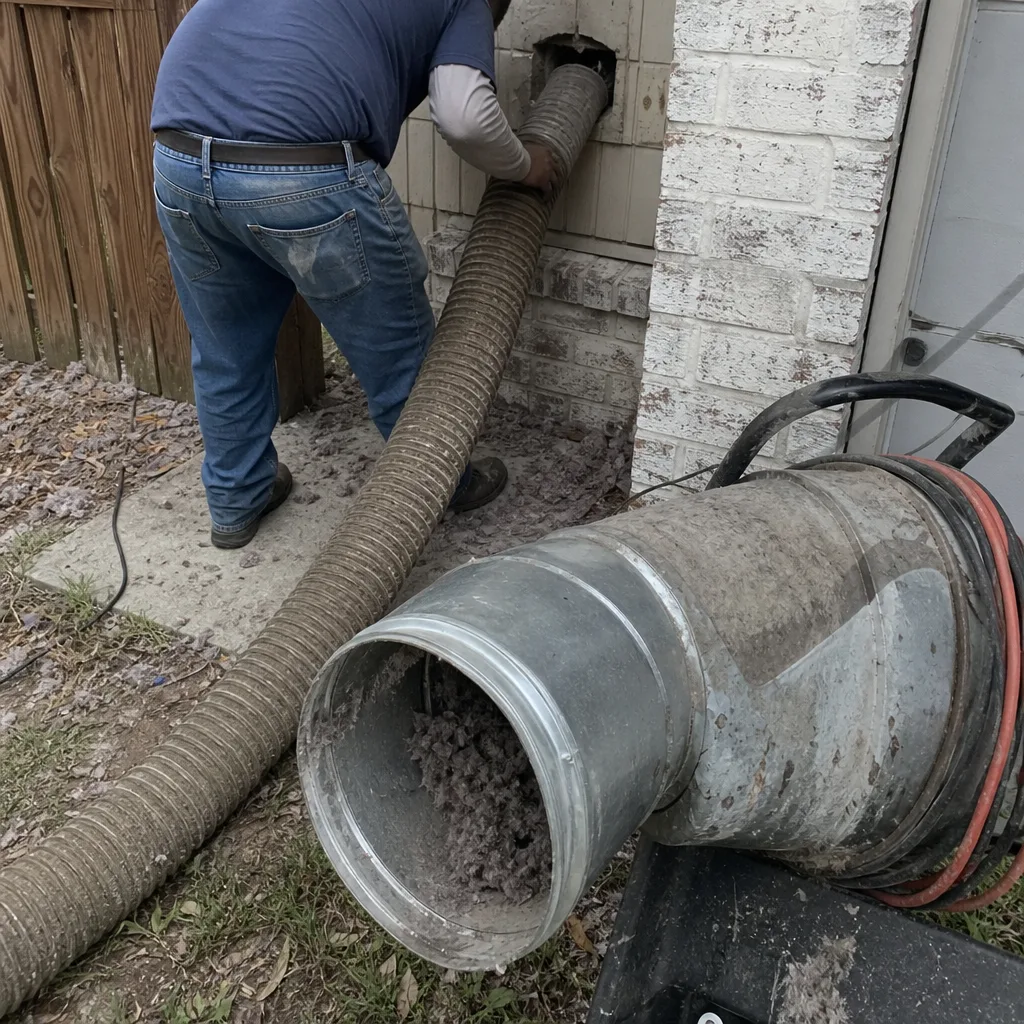 Before
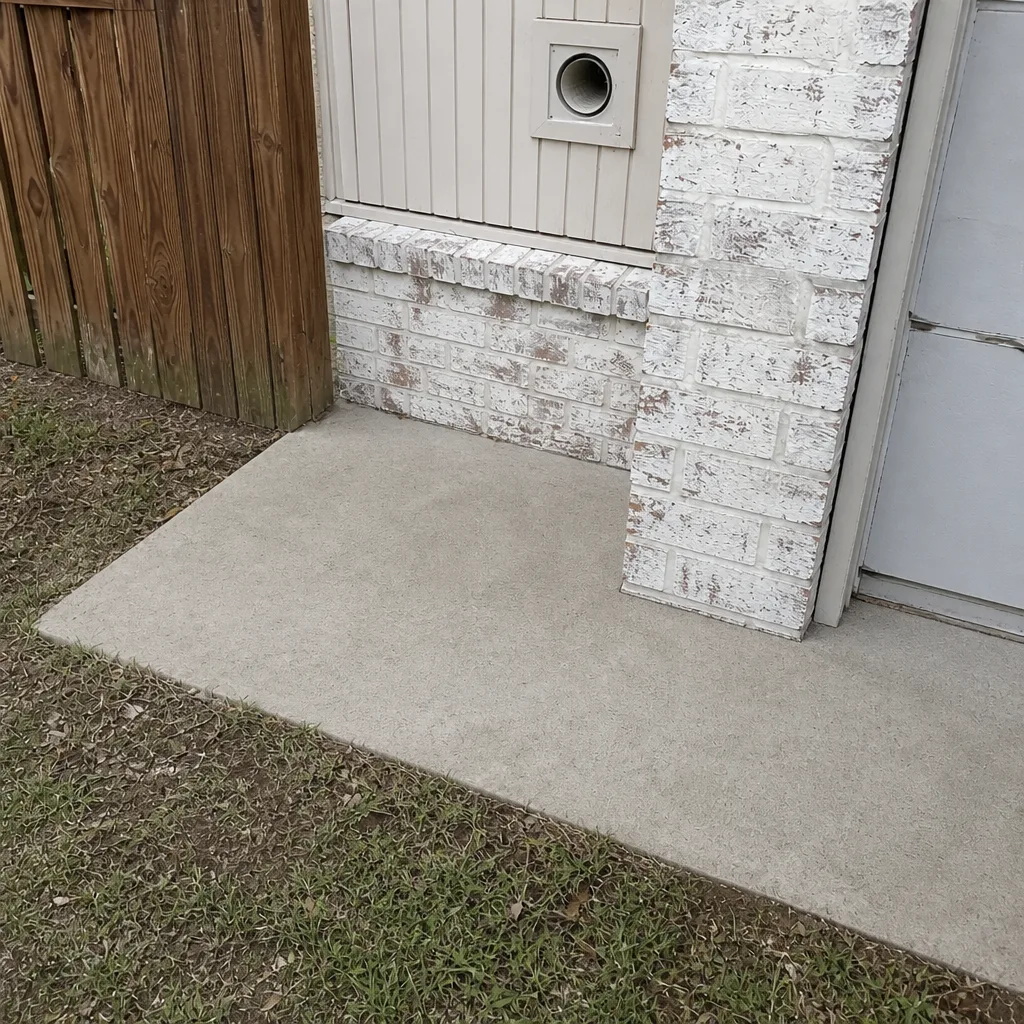 After
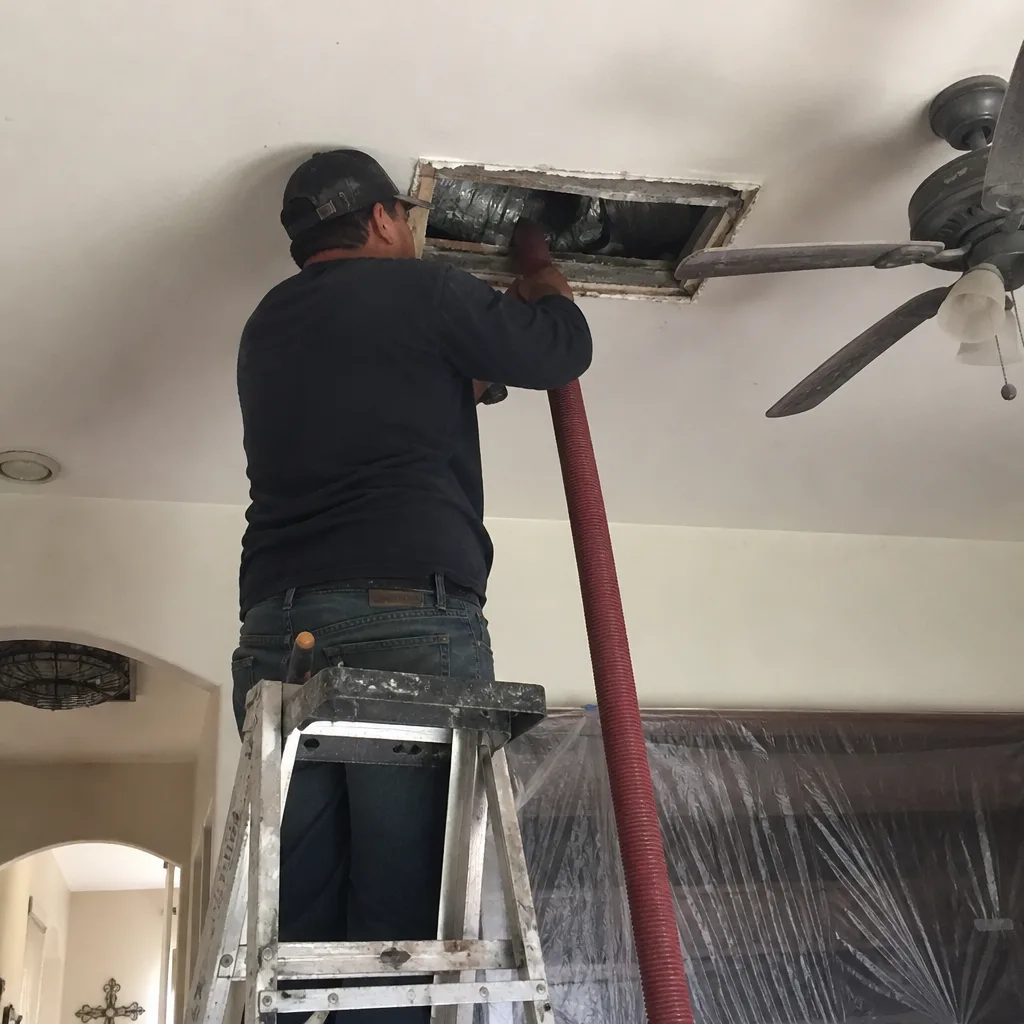 Before
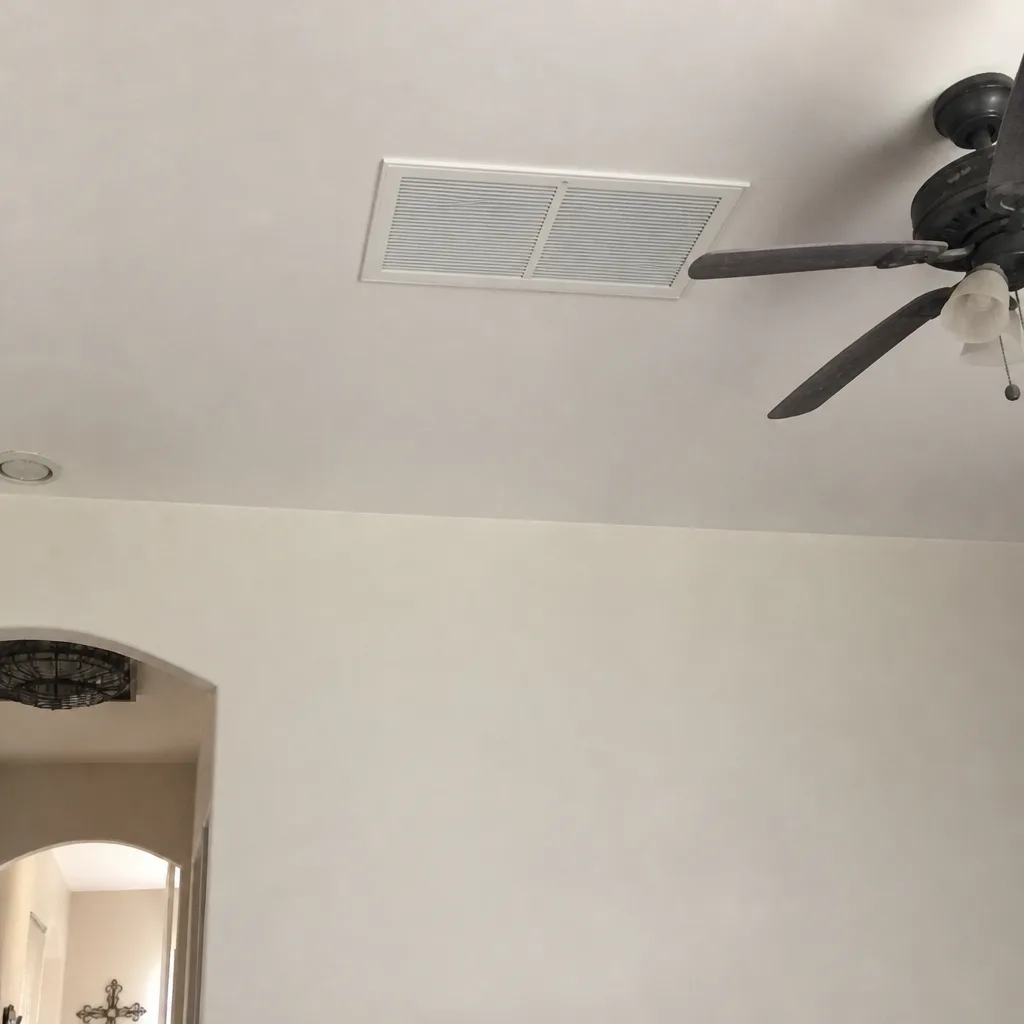 After
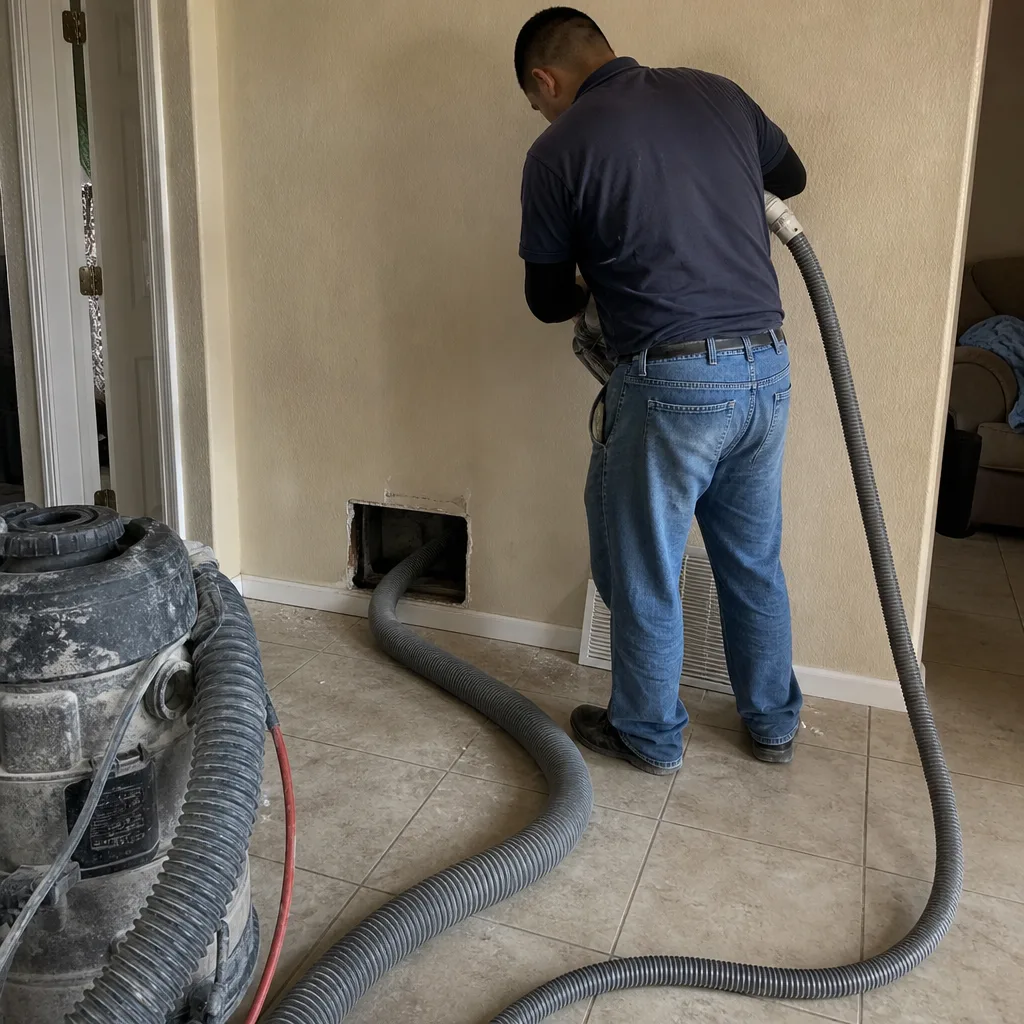 Before
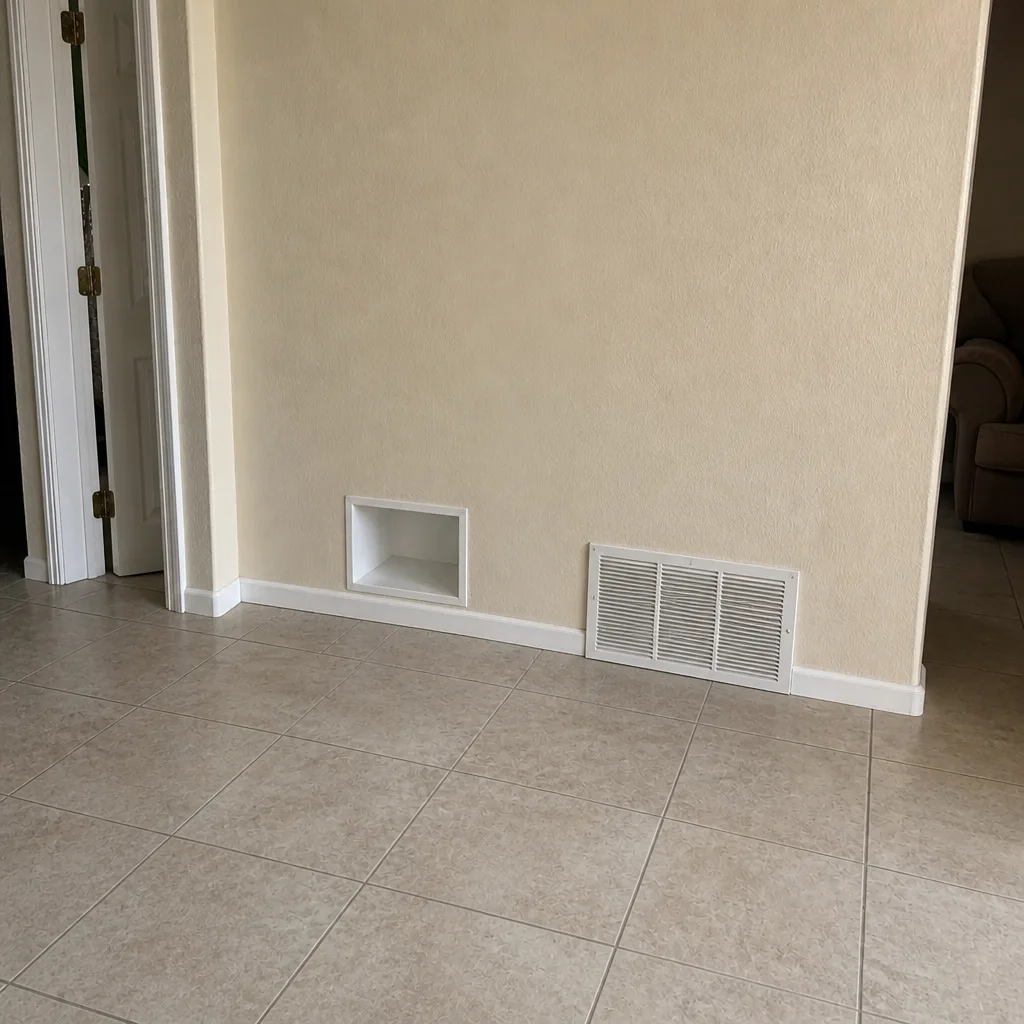 After
When to Call a Professional
Call a professional when the symptom has a diagnosis you can’t safely make on your own: a recurring musty smell after a recent cleaning, weak or reversed airflow at one or more registers, visible damage to a flex run in the attic, or a dryer that’s taking longer and longer to dry a load. If you see visible mold growth, hear a rattle in the ductwork, or find pest activity at a register, those are all signals worth a professional inspection rather than another round of surface cleaning.
Air duct cleaning in McAllen isn’t a standalone service for any of these. It sits at the center of a full check – cleaning, repair, and protecting the system so the fix holds. Our technicians have up to 12 years of experience and can walk you through the diagnostic in person. Duct Cleaning McAllen offers free estimates in McAllen – call (888) 971-5813.
Frequently Asked Questions
Run the tissue test at every supply and return register. If airflow is strong everywhere and the problem is a smell or dust, it’s a cleaning issue. If one or more registers have weak or zero airflow while the system runs, it’s a repair issue and should be inspected with a borescope before any cleaning is quoted. Call (888) 971-5813 if you’re not sure which problem you have; estimates are free.
Because the source of the problem wasn’t addressed. A cleaning removes existing contamination; it doesn’t fix a return leak, a failed flex run, or a condensation point that keeps feeding biological growth. In McAllen’s humid climate, the moisture source is the usual culprit. Ask any company you hire what they did to find the source, not just what they cleaned.
No. An earthy, damp smell is usually mold or mildew. A dry, sharp, organic smell is often dead pest material. A chemical or new-plastic smell is VOC off-gassing, which doesn’t improve with cleaning. The fix differs for each. If the smell is earthy and returns quickly, that’s the one that most often points to a moisture problem sitting in the duct run rather than a simple dirt issue.
You can do the tissue test yourself and it’s genuinely useful. It takes a tissue and 10 minutes. A smoke pencil gives more detail, especially when airflow reversal is involved, and that’s the version to ask a technician about. Bring your own tissue-test results to the call so the technician can target the problem rooms first.
There’s no single schedule that fits every home. Homes with pets, recent construction, visible mold, or a known pest problem need more frequent attention. Homes with a well-sealed return path, a good filter, and a properly installed duct system can go longer. The honest answer is that the interval depends on the system, not the calendar. If dust or a smell returns sooner than expected, that’s a signal to investigate the source rather than schedule another cleaning.
No. A company that handles both HVAC ducts and dryer vents saves you from making two calls. Dryer vent cleaning is a separate service with its own fire-safety driver, so it’s worth confirming it’s included in the scope when you call. Ask directly: does the quote include the dryer vent, or is that a separate service?
Duct cleaning removes contaminants from the interior surfaces of an intact duct system. Duct repair fixes the physical structure – a collapsed run, a disconnected joint, a crushed flex line, a leak at the plenum. They’re separate jobs and both belong on a full-system evaluation. A cleaning on a broken duct wastes the cleaning. A repair without cleaning leaves the contamination that caused the problem in the first place.
The Bottom Line
Duct problems in McAllen are diagnosable. Start with your nose – mold, pest, and off-gassing each smell different and need different fixes. Then run the tissue test at every register, because airflow tells you whether you’re dealing with a biological problem, a mechanical problem, or an equipment problem. Address the moisture source, not just the smell. Repair the failed run, don’t just clean around it. And treat the dryer vent as the separate safety system it is. The diagnosis is the work. Cleaning and repair follow from it, and the fix holds when the diagnosis is right. Industrial equipment matters because a proper cleaning with contact tools and high-powered extraction is what removes contamination rather than disturbing it – Rotobrush and Nikro, alongside containment-grade filtration, are what make that possible.
If you’re staring at a duct problem in McAllen and you’re not sure which category you’re in, that’s the moment to call. Duct Cleaning McAllen offers free estimates, licensed and insured work, and a written estimate per job before anything starts. Call (888) 971-5813. We answer 24/7. Fast dispatch from 7am to 7pm, Sunday through Friday. Estimates are free, and we’d rather tell you the truth about your system than sell you a cleaning you don’t need.
Written by the team at Duct Cleaning McAllen.