
Last updated November 15, 2026
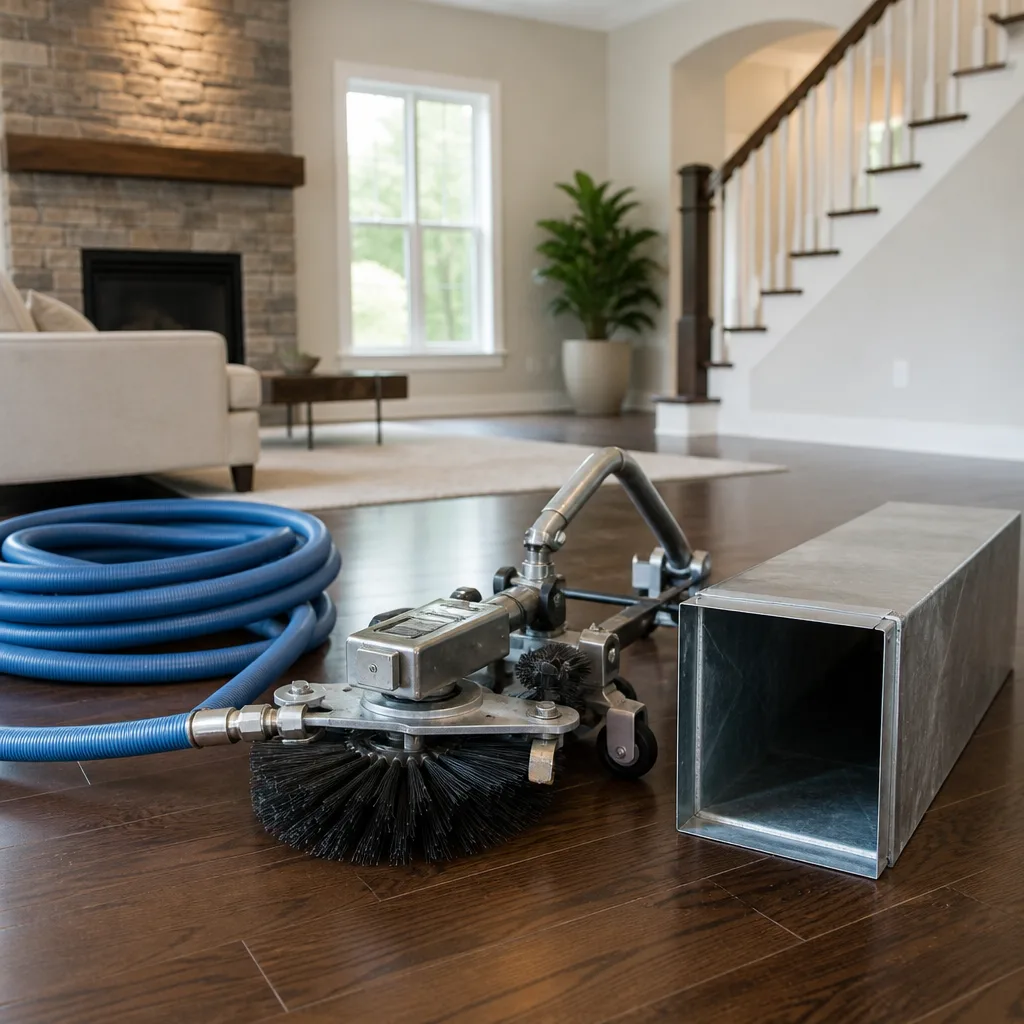 Whole-home duct cleaning
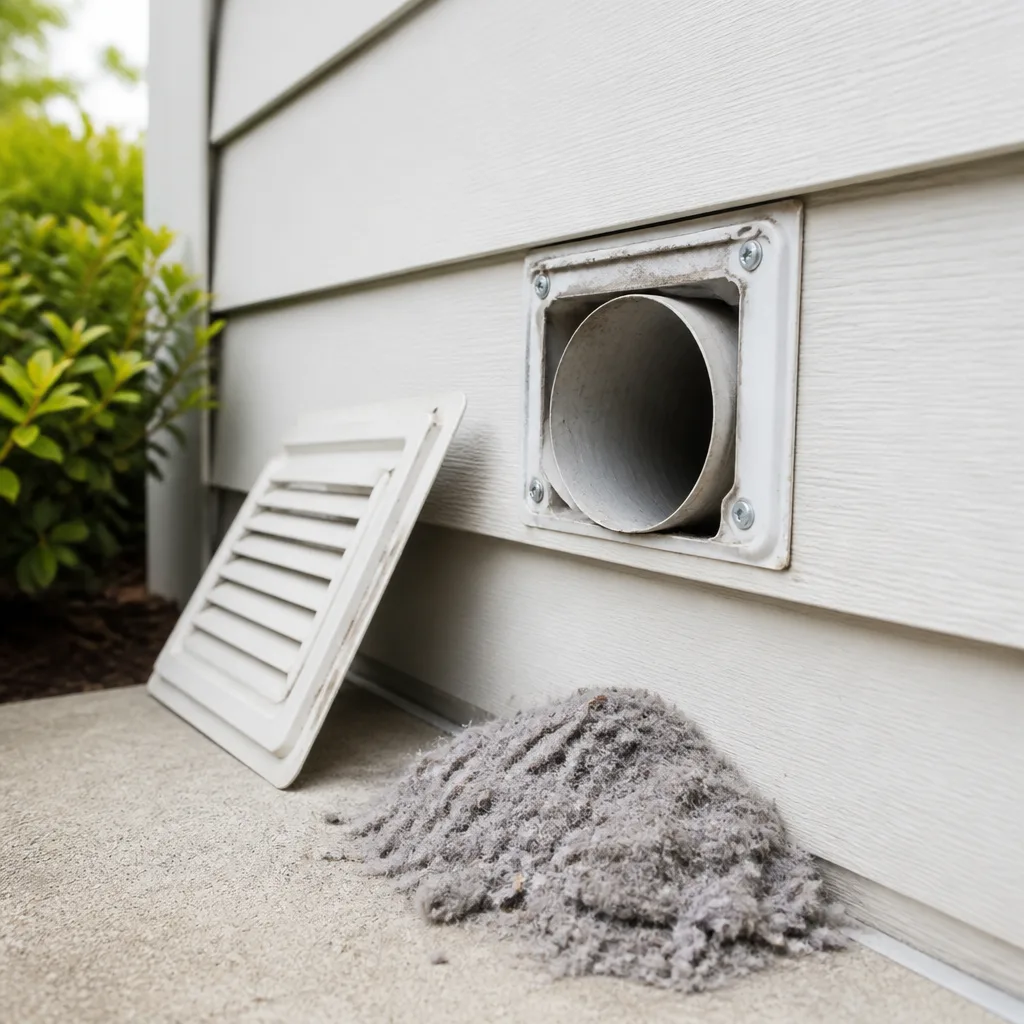 Dryer vent cleaning
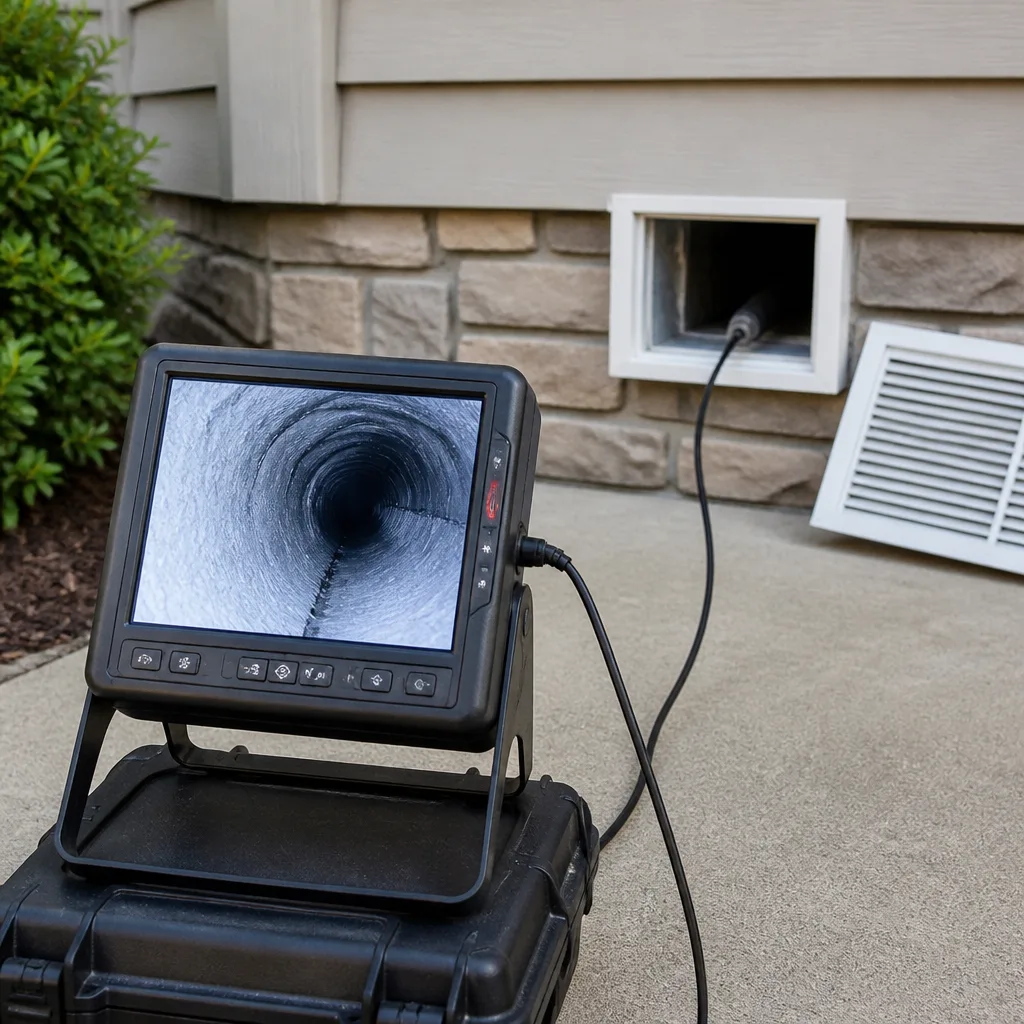 Camera inspection
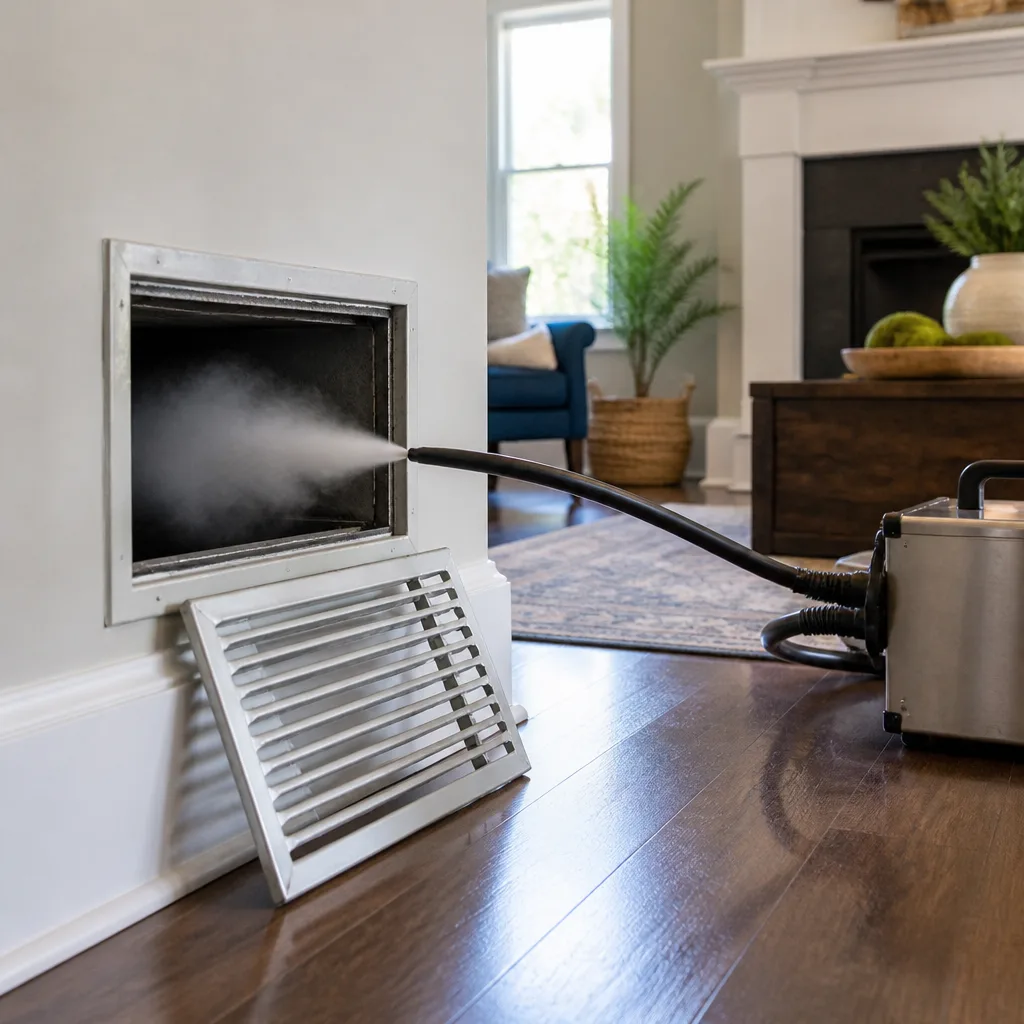 Sanitizing & deodorizing
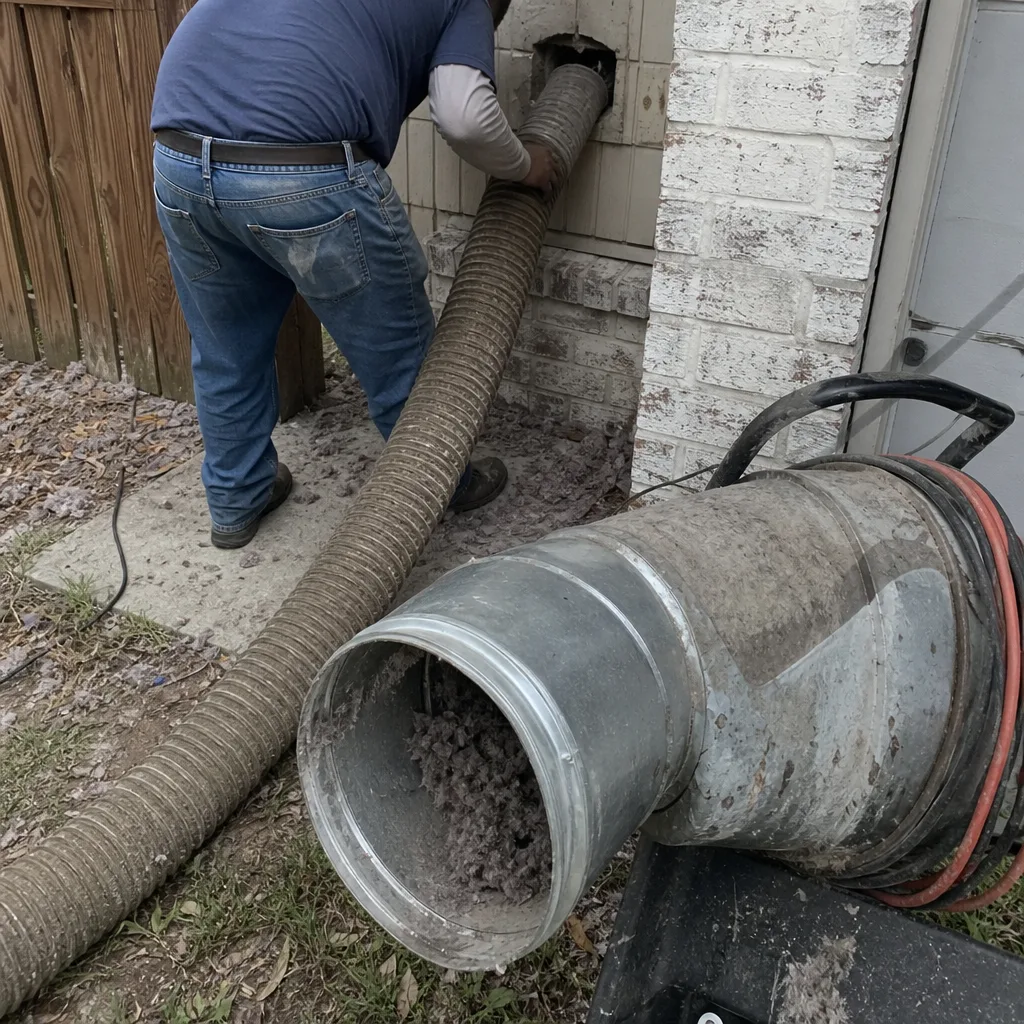
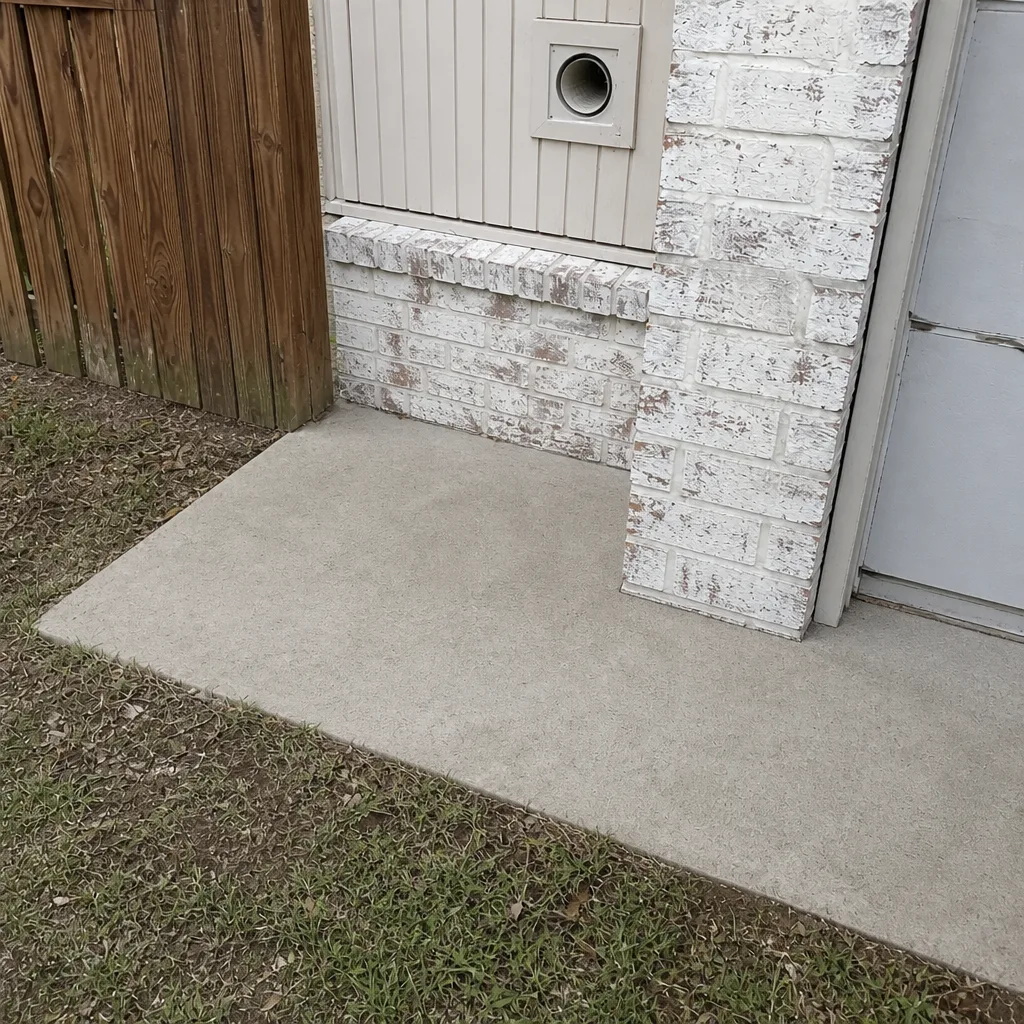
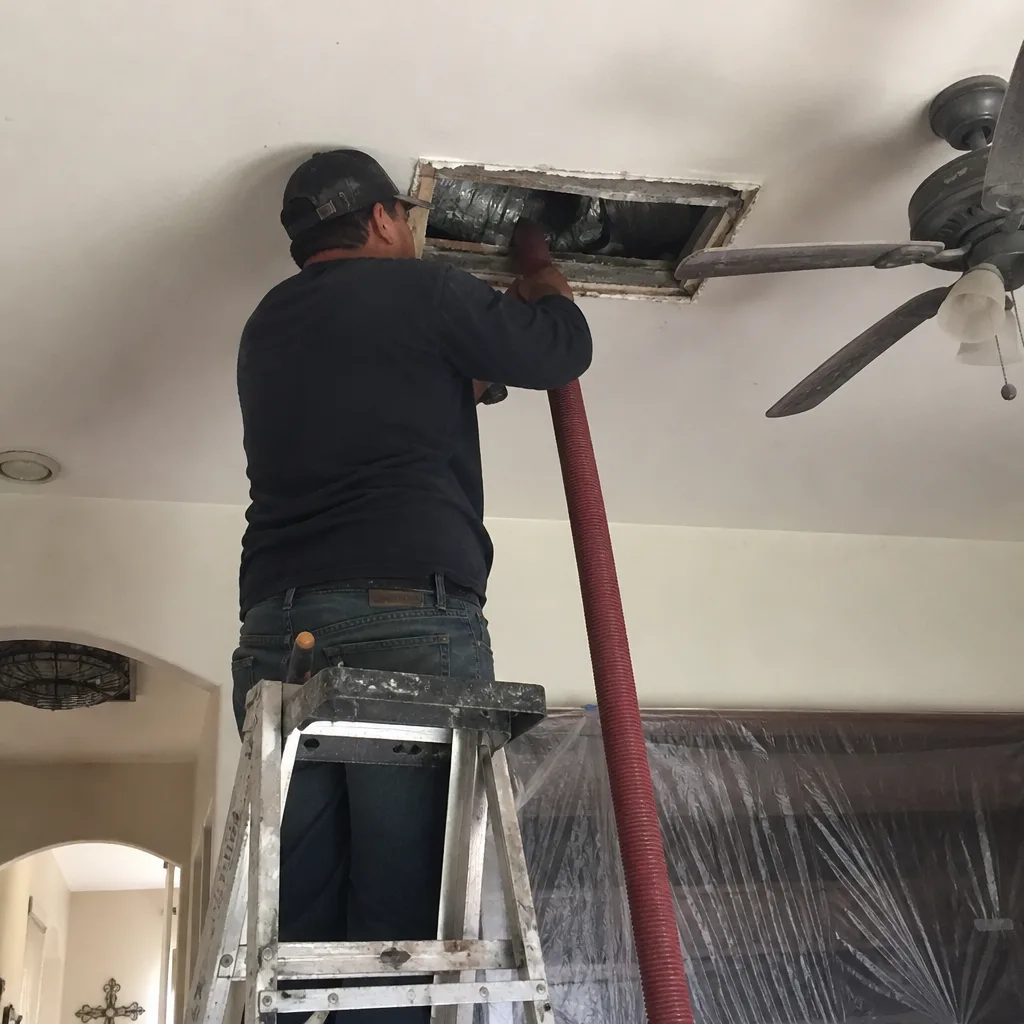
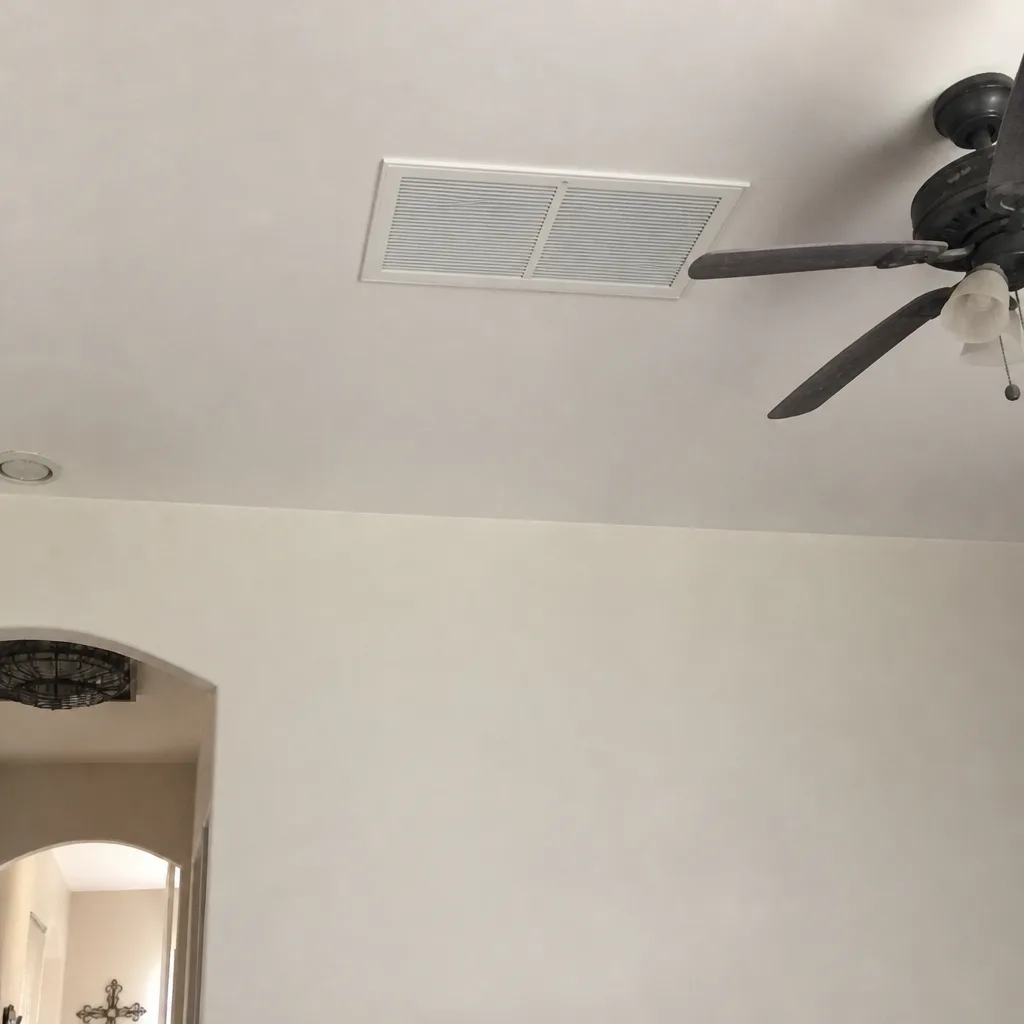
Whole-system duct and dryer vent check with before-and-after photos - you see exactly what came out of your vents
That "$99 whole-house special" is a bait ad - the real number appears once they are in your hallway, or the "clean" is a shop-vac at the register. We photograph the inside of your ducts before and after instead.
Air Duct Cleaning Warning Signs: A McAllen Homeowner’s Reference Guide
Visible dust on supply registers is the warning sign most people know, and it’s also one of the last signs to appear. By the time dust cakes the grilles, contamination has usually been building inside the system for weeks or months. Several more diagnostic indicators precede it, and they’re easy to miss because they look like unrelated household problems: a warm bedroom, a musty smell at startup, a power bill that climbed without a rate change. This guide explains what each sign actually indicates mechanically, so you can tell a duct-system problem from an HVAC problem, an allergy problem, or a housekeeping problem. We work on duct systems in McAllen and the Rio Grande Valley, and this is the reference we’d hand a homeowner who wants to understand what their home is telling them.
Styles & brands we work with
- Whole-home duct cleaning
- Dryer vent cleaning
- Camera inspection
- Sanitizing & deodorizing
Quick Answer
The main warning signs of a dirty or damaged duct system are persistent dust at registers and on surfaces, uneven room temperatures, musty odors that appear when the system starts, rising energy bills without a rate change, and allergy symptoms that are worse indoors and worse in specific rooms. Any one of these can have other causes, but two or more together usually point to contamination, restriction, or leaks inside the ductwork. A professional inspection with a camera and airflow measurement tells you which.
Table of Contents
- Sign 1: Dust at the Registers and on Surfaces
- Sign 2: Uneven Room Temperatures
- Sign 3: Musty Odor at System Startup
- Sign 4: What the Debris Type Tells You
- Sign 5: Rising Utility Bills Without a Rate Change
- Sign 6: The Allergy Symptom Pattern
- Signs Most Homeowners Skip
- Why This Matters in McAllen
- Common Mistakes to Avoid
- When to Call a Professional
- Frequently Asked Questions
- The Bottom Line
Sign 1: Dust at the Registers and on Surfaces
Dust at the supply registers is the classic sign, and it’s the one people recognize. What matters is what the dust is doing there. A thin, even film that returns a few days after cleaning is normal household dust in circulation. A thick, uneven buildup, dark streaks around the grille edges, or dust that appears to be blowing out of the register rather than settling on it points to a different problem: the system is pushing debris out of the ducts instead of filtering it before it reaches the living space.
In our experience, this happens for a few mechanical reasons:
- Filter bypass. The filter doesn’t fit its slot tightly, so air goes around it rather than through it. Dust that never gets captured has to land somewhere, and the registers are downstream.
- A clogged or wrong-MERV filter. A filter loaded past capacity stops capturing and starts shedding. So does a filter rated too high for the blower, which chokes airflow and can pull dust through gaps in the cabinet.
- Return-side leaks. Air handler cabinets and return plenums in attics are often the leakiest part of the system. In a McAllen attic, a return leak pulls insulation fibers and attic dust straight into the supply air.
- Accumulated debris in the ducts themselves. Once a duct run holds enough dust, normal airflow keeps it suspended and moving into rooms.
The register dust is a symptom. The useful question is where the dust is coming from, and that’s what an inspection answers. If you see dust at every register, the source is likely upstream of the whole system; if it’s one or two rooms, look at those branches first.
Sign 2: Uneven Room Temperatures
Uneven temperatures are the sign most often misdiagnosed as an equipment problem. A bedroom that runs four degrees warmer than the rest of the house does not necessarily mean the air conditioner is undersized. It can mean the duct branch serving that room is restricted, leaking, or badly balanced. The distinction matters because replacing equipment won’t fix a duct restriction, and cleaning or repairing ducts won’t fix an undersized unit.
Here’s how to tell them apart before you spend money on either:
- Check whether the problem tracks the room or the weather. A room that’s consistently warm regardless of outdoor temperature points to a duct issue. A house that can’t keep up only during the hottest part of the year points toward equipment sizing or refrigerant charge.
- Feel the airflow at the register in the problem room. Weak airflow with the system running is a restriction or a leak. Strong airflow that’s still not cold enough is more likely an equipment or insulation issue.
- Look for a crushed or disconnected flex duct. In attic installations, flex runs get stepped on, kinked at bends, or pulled loose at the boot. A disconnected branch dumps conditioned air into the attic and leaves the room it was supposed to serve.
- Compare return air. A room with a weak return can’t get air out, so it can’t get air in. Undercut doors and closed-off returns cause this more often than people realize.
When several rooms are off in different directions, one running hot and another cold, the system is usually out of balance rather than failing. That’s a duct-and-airflow conversation, not an equipment replacement.
Sign 3: Musty Odor at System Startup
A musty smell that appears when the system starts and fades a few minutes later is usually a moisture signature, not a filter problem. Changing the filter won’t fix it because the filter isn’t the source. The odor is coming from somewhere in the ductwork or the air handler where moisture has been allowed to sit, and the first thirty seconds of airflow stirs it into the house.
Where moisture collects in a McAllen duct system:
- Wet insulation inside the air handler cabinet. A condensate line that drains poorly or a pan that overflows leaves the cabinet lining damp. That damp lining holds odor and releases it at every startup.
- Sweating duct runs in the attic. Uninsulated or under-insulated duct sections in a hot attic condense moisture on their exterior. The condensate wicks into insulation and stays there.
- Duct runs in humid enclosed spaces. Ducts routed through a garage, a crawlspace, or an unconditioned closet pick up humidity that the system’s own cooling can’t remove.
- Biological growth on duct surfaces. Once moisture is established, dust on the duct walls becomes a food source. The smell that follows is the growth, not the dust.
This is the point where a routine cleaning isn’t enough by itself. If the moisture source isn’t corrected, the odor returns. That’s why we look for the leak or the condensate issue alongside the cleaning, and why air duct repair belongs in the same conversation as cleaning. A clean system with a wet spot in it will be a smelly system again within a season.
Sign 4: What the Debris Type Tells You
The type of debris you find at the registers points to different sources, and reading it correctly saves time. Coarse gray dust, fine black particulate, and fibrous material each tell a different story about what’s happening upstream.
- Coarse gray dust is the most common and usually the most benign. It’s a mix of textile fibers, skin cells, and settled household dust carried by return air and deposited through the system. Heavy accumulation means the filter isn’t capturing what it should, or that the return side is pulling unfiltered air from an attic or garage.
- Fine black particulate is a different signal. It’s often soot-like or carbon-colored and tends to settle in a thin dark film. Common sources include a partial combustion byproduct, candle and cooking particulate, and, in some homes, degraded flex duct lining. If you see it concentrated near a single register, note which room; it often points to the equipment or appliance nearest that branch.
- Fibrous material looks like loose strands or fiberglass. That’s usually insulation fibers, and in McAllen it often means a return leak is drawing attic insulation into the airstream, or that the interior duct lining is breaking down. Fibrous debris in the ducts is a strong argument for professional cleaning with proper filtration, because a blower alone will just redistribute it.
- Sand or grit near a register can mean an outdoor air intake is pulling unfiltered air, or that a duct in a garage or near a door has a leak.
When you call about a duct problem, describe the debris. A technician can prepare differently based on what you’re seeing, and in some cases it changes the recommendation from cleaning to repair.
Sign 5: Rising Utility Bills Without a Rate Change
A power bill that climbs month over month with no rate change, no new appliance, and no change in how the house is used is worth investigating. It’s not proof of a duct problem on its own, but in a system with a restriction or a leak it’s an expected outcome. Restricted ducts force the blower to work against higher static pressure, and the system runs longer to reach the same temperature. Leaky ducts send conditioned air into the attic, which means the equipment runs longer to replace it.
What to check before you blame the ducts:
- Compare the same months year to year. McAllen summers make month-over-month comparisons misleading; a July-to-August jump is normal.
- Rule out equipment. A dirty condenser coil, a failing capacitor, or a low refrigerant charge will drive bills up too. Those are equipment problems, not duct problems.
- Look for long run times. If the system runs for hours to hit the setpoint, it’s working against something. Duct restriction and duct leakage are two of the most common somethings.
- Check filter change frequency. A filter that loads up faster than it used to is telling you the system is moving more debris than it should be.
The most useful next step is a static pressure reading and an airflow measurement. Those two numbers tell a technician whether the system is fighting a restriction and where it is, and they cost nothing to take during an inspection.
Sign 6: The Allergy Symptom Pattern
The allergy pattern that points to duct contamination is specific: symptoms that are worse indoors than outdoors, and worse in certain rooms than others. Seasonal allergies tend to track the outdoor environment; duct-related symptoms track the house. If you feel fine outside and congested an hour after coming home, that’s a different signal than if you feel worse after a walk.
The room-by-room pattern is the more useful one. Symptoms that concentrate in a bedroom, a home office, or a room above the garage suggest contamination or restricted airflow in the branches serving those rooms. Symptoms that worsen when the system first starts, then ease, point to debris or moisture being stirred into the air. If the pattern reverses when you’re away from home for a few days and returns within hours of coming back, duct contamination is a real candidate.
We’re not doctors, and we don’t diagnose medical conditions. What we can tell you is whether the system is holding debris, whether the filtration is working, and whether the return side is pulling air from somewhere it shouldn’t. On a McAllen home, that means checking the attic, the garage, and any flex duct that has lost its jacket. It also means looking at whole-home air quality equipment. If the house has a Honeywell or Aprilaire system installed, we check whether it’s actually doing its job or was bypassed somewhere along the way. Cleaning contaminated ducts after correcting the filtration is a sequence that works; cleaning them without correcting the filtration just resets the clock.
Signs Most Homeowners Skip
Several warning signs are easy to overlook because they don’t look like duct problems at all. These are the ones that show up in our inspections after they’ve been present a while:
- The dryer takes longer to dry a load. A clogged dryer vent is a fire-risk problem before it’s a convenience problem. Lint buildup in the vent run reduces airflow, extends dry times, and raises exhaust temperature. If clothes come out hot but still damp, the vent is a suspect, not the dryer. This is why we treat dryer vent cleaning as a safety service rather than a cosmetic one.
- The house feels humid even with the AC running. A system that’s cooling but not dehumidifying as well as it used to often has a duct leak pulling humid attic air into the return.
- The register grilles have dust streaks on the ceiling or wall rather than just on the grille. That’s a sign of air leaking around the boot, which is common when a boot seal has failed.
- Visible lint or dust around a return grille in the hallway is a look-up-and-notice problem, and one of the clearest early indicators.
None of these prove a duct problem by themselves. Two or more together, though, shift the odds considerably.
Why This Matters in McAllen
Duct systems in McAllen work under conditions that speed up contamination. The system runs for more hours of the year than it would in a cooler climate, so more air moves through the ducts and more debris accumulates. Attics here get hot enough that flex duct jackets degrade faster, and condensation issues in those attics are common when a duct run loses its vapor barrier. Humidity in the Rio Grande Valley stays elevated through much of the year, which makes the moisture signal (the musty smell at startup) more meaningful than it would be in a dry climate.
Homes in McAllen also vary widely in duct design. Some neighborhoods have older homes with original metal ductwork and fiberglass lining; others have newer construction with long, flex-heavy runs. The two systems fail differently, and the warning signs appear in a different order. A technician who works in McAllen regularly knows which systems dominate each area and what to check first.
If you live in one of the older McAllen neighborhoods and the house has never had the ducts inspected, a first inspection is worth the call. It’s not about a sale; it’s about knowing what you’re working with. When the inspection does turn into work, we run it in the sequence we’d want for our own homes: air duct cleaning with contact agitation and high-powered extraction, then repair of any leaks or damage, then protective treatment. Clean, repair, protect.
Common Mistakes to Avoid
- Cleaning before diagnosing. Cleaning the ducts is the right move for a dirty system and the wrong move for a system with a moisture problem or a return leak. Correct the source first, or the contamination returns within a season.
- Replacing equipment to fix a duct problem. A warm room is often a duct branch issue. Replacing an air handler before checking the ducts in that room can be an expensive way to learn the room still runs warm.
- Buying the lowest quote without knowing what’s included. A low price that only cleans the easily reached main trunk and not the branches gives you a system that looks cleaner at the main plenum and is no cleaner in the rooms where you feel it. Ask how the branches and the air handler are handled before agreeing to anything.
- Assuming a filter upgrade fixes everything. A higher-MERV filter captures more, but a filter that chokes a blower causes its own airflow problems. The filter is part of the system, not a substitute for one.
- Ignoring the dryer vent while cleaning the ducts. The dryer vent is part of the same air-handling picture in a McAllen home, and it carries a fire risk that duct cleaning doesn’t address. It deserves its own service.
- Trusting vague equipment claims. “Industrial equipment” is a phrase; a Rotobrush contact cleaner and a Nikro high-powered vacuum are specific tools with a specific job. Ask what will actually be used, and ask how the cleaning process keeps the air in the rest of the house from being disturbed while it happens.
- Settling for “looks clean” without verification. Ask for before-and-after photos of your own ducts, not stock photos. If the price is per-vent or quoted before the system is inspected, you don’t yet know what you’re buying.
When to Call a Professional
Call a professional when two or more of the warning signs in this guide show up together, when the musty smell at startup keeps returning after a filter change, when a room has been running hot for more than a season, or when the dryer isn’t drying a normal load in its usual time. Call sooner if you see fibrous debris at the registers or a visible moisture problem in the attic or air handler, because those are not signs a homeowner should troubleshoot from a ladder. We offer free estimates in McAllen for dryer vent cleaning and full duct inspections. Call (888) 971-5813. We answer 24/7. Fast dispatch from 7am to 7pm, Sunday through Friday.
Frequently Asked Questions
You know your ducts need cleaning when you see two or more of the warning signs together: heavy dust at the registers, uneven room temperatures, a musty smell at startup, rising bills without a rate change, or an indoor-worse-than-outdoor allergy pattern. One sign alone could be something else. An inspection with a camera confirms it instead of guessing. Call (888) 971-5813 for a free estimate.
No. A musty smell from the vents is a moisture signal, not a mold diagnosis. The moisture can be coming from a wet cabinet lining, a condensing duct run in the attic, or a humidity issue in the space the duct passes through. The cause needs to be found and corrected before cleaning, or the smell returns. Call (888) 971-5813 and we’ll inspect the system and tell you what we find.
Dirty or restricted ducts can raise power bills because the blower works harder and runs longer to move the same amount of air. The effect is real but indirect; a clogged filter, a failing capacitor, or low refrigerant can do the same thing. The right move is to rule out equipment first, then look at duct restriction and leakage. Call (888) 971-5813 for an inspection that covers both.
Cheap quotes are usually cheap because of what’s left out: branch lines, the air handler, containment during the cleaning, or proper equipment. A quote that only cleans the main trunk and skips the branches gives you a system that looks cleaner at the plenum and isn’t cleaner where you live. Ask what equipment will be used and whether the price covers the whole system. Call (888) 971-5813 for a written estimate on the full system.
You know the work was done when you can see it. Ask for before-and-after photos of your own ducts, not stock images, and ask how the technician kept the cleaning from blowing debris back into the living space. Containment-grade filtration during the job matters as much as the cleaning itself. Call (888) 971-5813 and we’ll walk you through exactly how the job runs.
Most McAllen homes don’t need duct cleaning on a fixed schedule; they need it when the system shows one of the warning signs. Homes with pets, recent remodeling, a return leak, or a moisture issue tend to need it sooner. A home with clean ducts and working filtration can go years between services. Call (888) 971-5813 and we’ll tell you what your system actually needs, not what a calendar says.
Duct cleaning removes accumulated debris from the system. Duct repair fixes the leaks, disconnected runs, crushed sections, and failed seals that let debris in and conditioned air out. Cleaning alone on a damaged system just resets the clock. We offer both, and we’ll tell you which the system actually needs. Call (888) 971-5813 for a free estimate.
The Bottom Line
Most duct-system warning signs announce themselves before the visible dust does, and they tend to look like something else: a warm bedroom, a musty smell, a power bill, an allergy season that never quite ends. Reading them correctly means asking a mechanical question instead of a cosmetic one. Is the system restricted, leaking, holding moisture, or pulling debris from a space it shouldn’t? The answer determines whether the fix is cleaning, repair, or both, and the order matters. Duct Cleaning McAllen builds a written estimate on the full system before anything starts. If you’re in McAllen and you’ve noticed two or more of these signs, start with an inspection. Call (888) 971-5813. We answer 24/7. Fast dispatch from 7am to 7pm, Sunday through Friday. Free estimates, one flat price per system agreed before work starts, and before-and-after photos of your own ducts. Learn more about our Duct Cleaning McAllen services, or call today.
Written by the team at Duct Cleaning McAllen.
See the difference
 Before
 After
 Before
 After
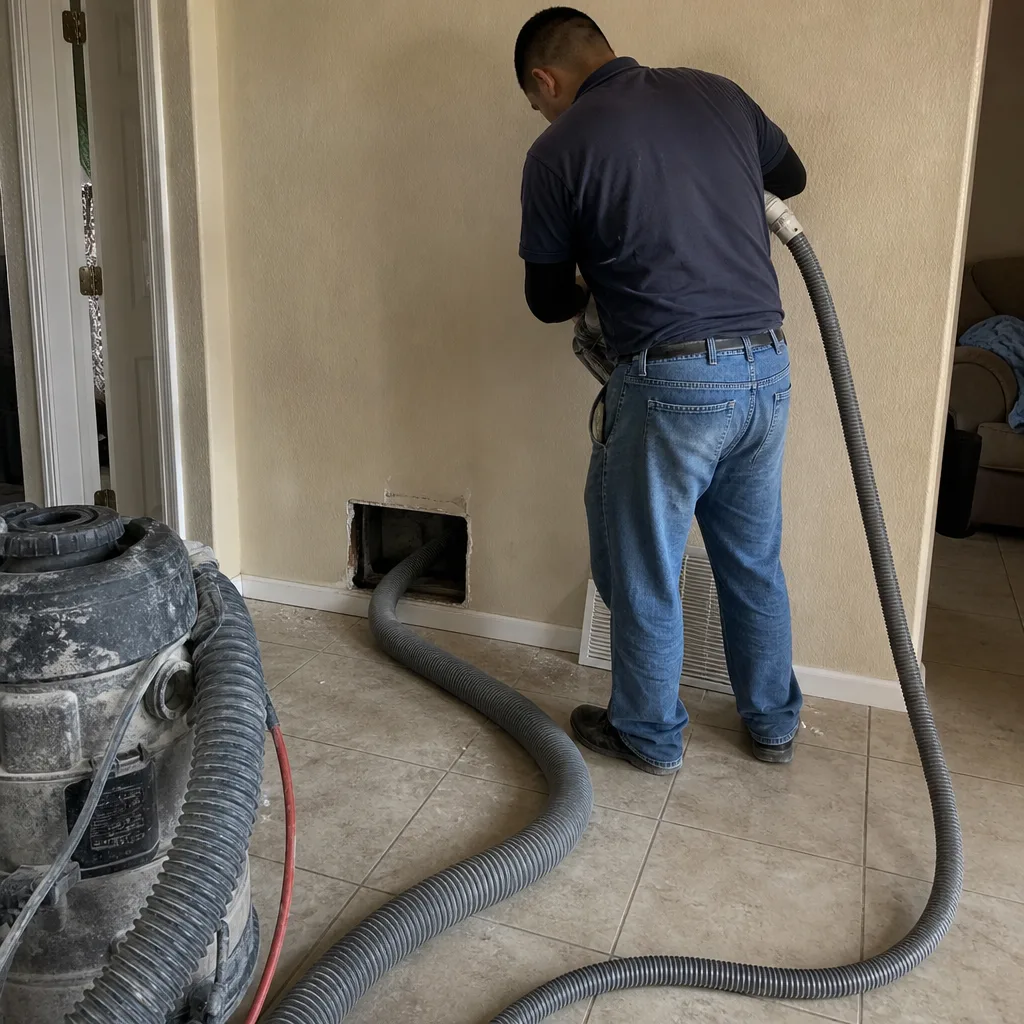 Before
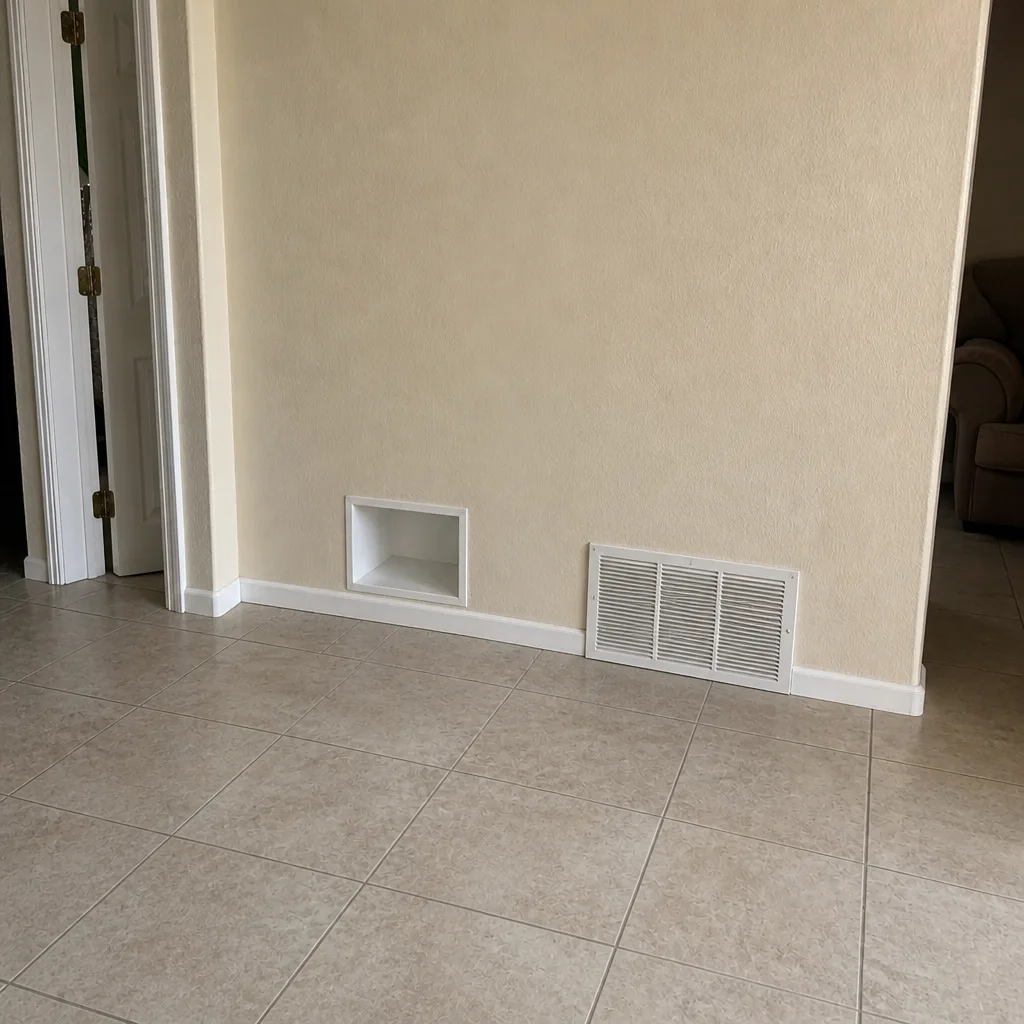 After